


How to Tell If Your Old Spices Are Still Good

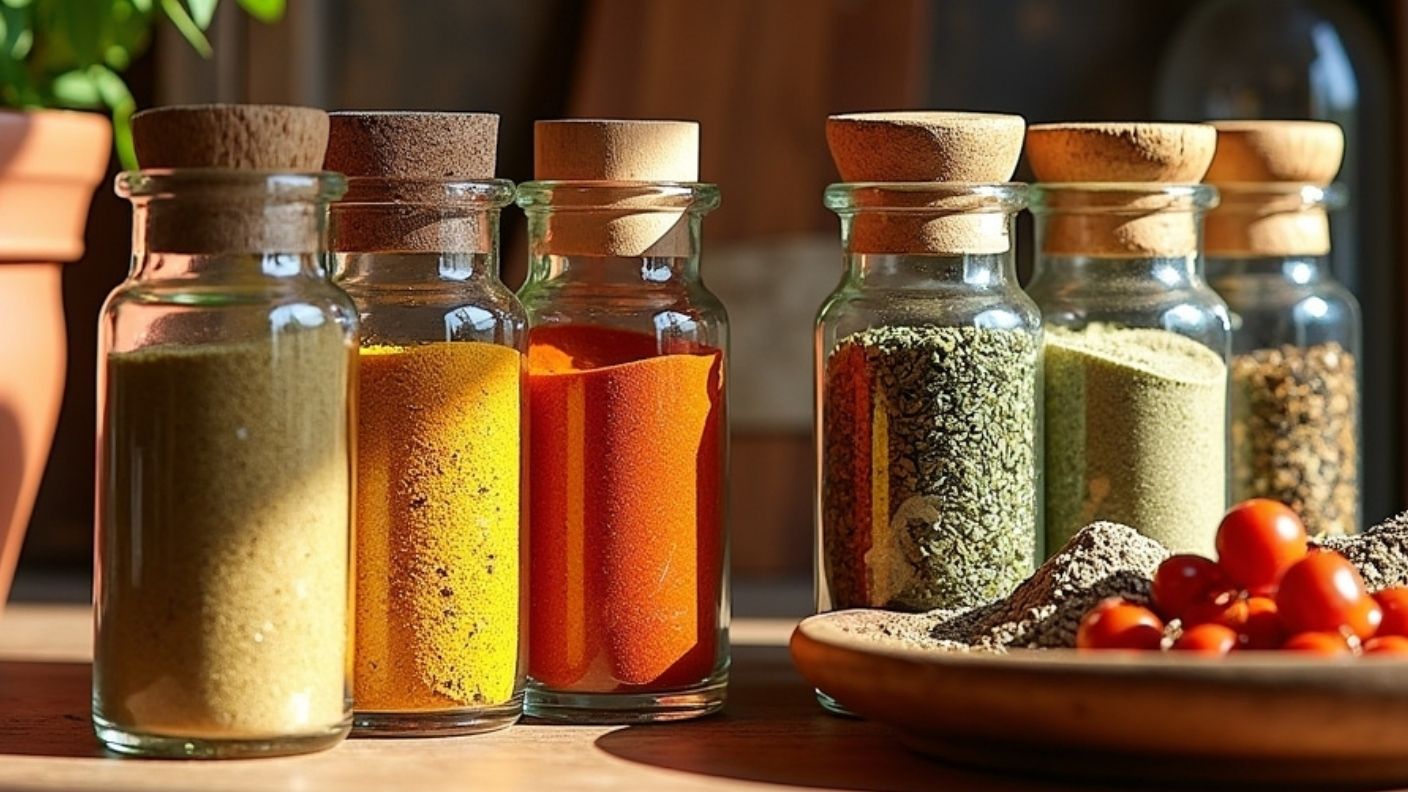

Almost everyone has that one jar of paprika or dried oregano that’s been sitting in the back of the cabinet for years. Before tossing it out of sheer guilt, or continuing to use it out of habit, it helps to actually know what “still good” means when it comes to spices.
Spices Don’t Really “Expire” the Way You Think
Unlike milk or meat, old spices generally won’t make you sick. Spices are considered a shelf-stable product, which means they don’t spoil in a food-safety sense so much as they slowly lose their punch over time.
What actually happens is that the essential oils responsible for a spice’s flavor and aroma break down gradually once exposed to air, light, and heat. That’s why a five-year-old jar of cumin isn’t dangerous to use, it’s just going to taste noticeably weaker and flatter than a fresh one.
How Long Different Spices Actually Last
Shelf life varies quite a bit depending on the type of spice and how it’s processed. Ground spices and dried herbs typically hold onto their flavor for one to three years, while whole spices, like peppercorns, cinnamon sticks, or whole cumin seeds, tend to last noticeably longer, often two to four years, since less of their surface area is exposed to air.
That difference comes down to surface area. Grinding a spice releases its aromatic compounds immediately, which is great for flavor in the short term but means those same compounds start fading the moment the spice is ground, well before it ever reaches your cabinet.
Salt is the one true exception here, since it doesn’t lose potency or spoil no matter how long it sits.
The Simple Test That Tells You Everything
Rather than guessing based on how long a spice has been sitting around, the more reliable approach is a quick sensory check.
Crumble or rub a small amount between your fingers and take a whiff of the released aroma: if the scent is faint, musty, or barely noticeable, the spice has likely lost most of its potency.
Color is another useful clue, since spices like paprika, chili powder, and turmeric tend to fade and dull noticeably as they age. If the color looks washed out compared to when it was fresh, or the spice has clumped together from moisture exposure, it’s a good sign it’s past its prime even if it’s technically still safe to use.
How to Make Spices Last Longer
Storage plays a bigger role in spice longevity than most people realize. Keeping spices away from heat, light, and moisture, in a cabinet or drawer rather than an open rack next to the stove, slows down the breakdown of those flavor compounds considerably.
Buying whole spices instead of pre-ground versions, then grinding small amounts as needed, is one of the most effective ways to extend their usable life even further.
It takes a bit more effort in the moment, but it means the flavor stays locked in far longer than it would sitting pre-ground on a shelf.
When It’s Time to Refresh Your Spice Rack
None of this means every old spice needs to go straight in the trash. A weak jar of dried thyme can usually just be used in slightly larger amounts to make up for the lost potency, and it’s still perfectly safe either way.
The real signal to actually replace something is when even a generous amount barely registers any flavor at all, at which point it’s not doing much for the dish besides taking up space in the cabinet.
RELATED ARTICLE: 3 Best Spices for Glowing Skin
