


How to Clean Burnt Spots From Your Cooktop: A Few Brilliant Tricks

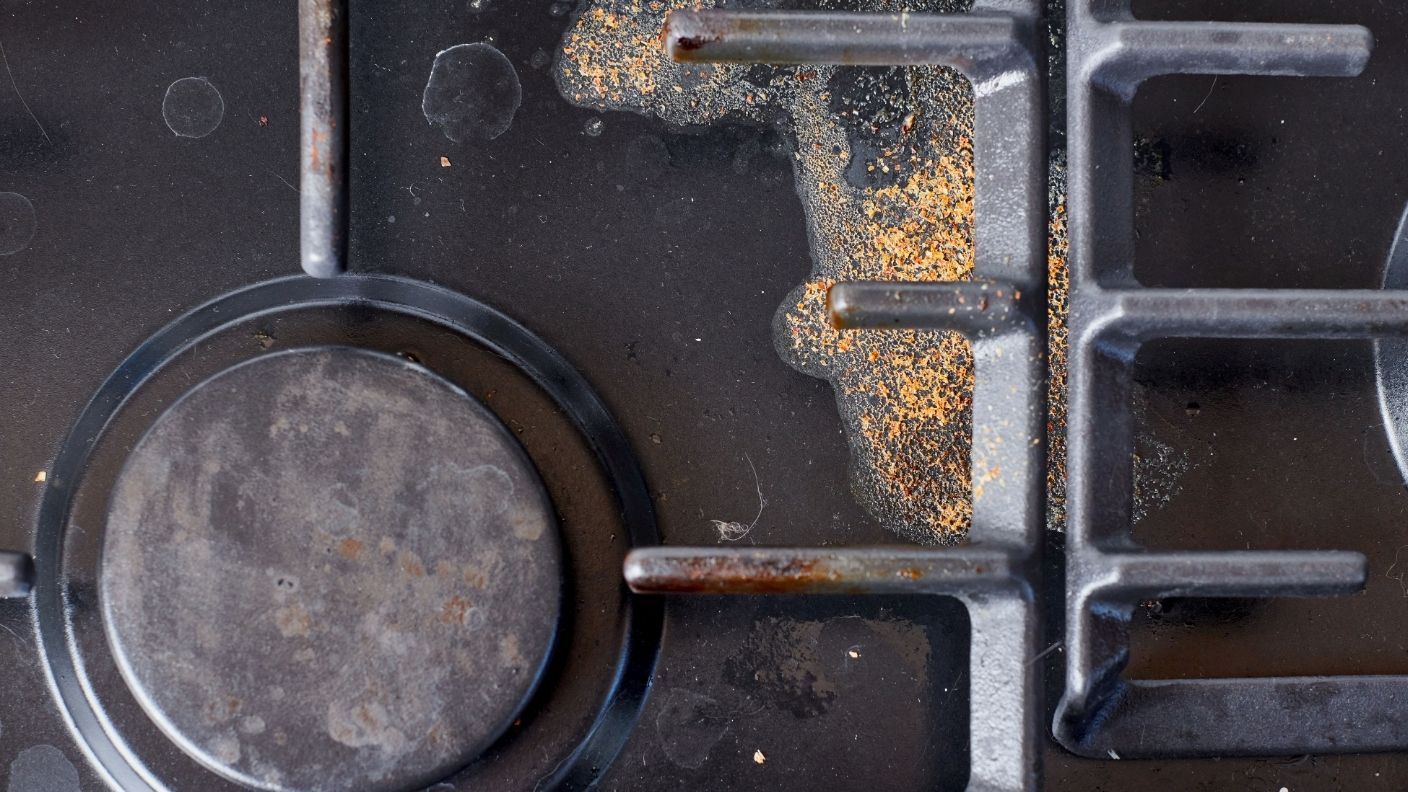

A bubbled-over pot of sauce or a splash of oil that catches heat can leave a mark that seems permanent within seconds. Most of those spots come out completely with a few household staples most kitchens already have on hand.
Baking Soda and Vinegar Do Most of the Heavy Lifting
This pairing shows up in nearly every real fix for burnt cooktop spots, and for good reason. Sprinkling baking soda directly over the burnt area and misting it with white vinegar sets off a light fizzing reaction that loosens grime right at the surface.
Letting that mixture sit for ten to fifteen minutes before wiping gives it time to actually work rather than just sitting on top. A damp cloth or the soft side of a sponge is usually enough to finish the job once the mixture has had a chance to soften everything underneath.
A Hot, Damp Towel Makes the Difference
For spots that don’t budge with a quick spray, heat and moisture do a lot of the work baking soda alone can’t manage. Covering the baking soda with a towel soaked in hot water traps steam against the burnt residue instead of letting it evaporate right away.
Fifteen minutes under that towel is usually enough to soften even stubborn, caked-on food. Pulling the towel back at that point often lifts a surprising amount of grime along with it, leaving far less to actually scrub.
Toothpaste Works Better Than It Sounds
Plain white toothpaste, especially a version that contains baking soda, works as a surprisingly effective spot treatment on glass cooktops. Rubbed directly onto a burnt patch and left alone for about fifteen minutes, it breaks down residue in a way that feels almost too simple to be real.
Wiping it away with a damp cloth afterward usually reveals a noticeably shinier surface underneath. It’s a good option specifically for smaller, isolated spots rather than an entire cooktop covered in buildup.
A Razor Blade Handles What Nothing Else Can
Some burnt spots are simply too stubborn for any paste or spray to fully lift, and that’s where a flat razor blade or a dedicated cooktop scraper comes in. Held at a low, near-flat angle against the glass, it can shave off hardened residue without gouging the surface underneath.
This only works safely on flat glass or ceramic cooktops, never on textured or coated surfaces where a blade could cause real damage. Short, careful passes work better than one aggressive scrape, since forcing it usually just risks a scratch instead of a clean result.
Skip Anything Abrasive Enough to Scratch
Steel wool, coarse scouring pads, and anything marketed as heavy-duty tend to do more harm than good on a glass or ceramic surface. Scratches from an overly rough scrubber are permanent in a way that a stubborn burnt spot never has to be.
Sticking to soft sponges, microfiber cloths, and mild abrasives like baking soda keeps the surface intact while still getting rid of the mess. Patience with a gentler method almost always beats speed with a rougher one here.
Prevention Beats Any Trick on This List
Wiping up a spill the moment it happens, rather than letting it sit through the rest of cooking, keeps most messes from ever reaching the point of needing a deep clean at all. A cooled, freshly spilled mess takes a fraction of the effort a baked-on one does the next day.
None of that makes the tricks above any less useful for the messes that do slip through. But a quick wipe now is still the easiest cooktop trick of all, long before baking soda or a razor blade ever needs to get involved.
RELATED ARTICLE: The Kitchen Rule a 96-Year-Old Refused to Break
