


How to Choose the Best Turkey for Thanksgiving Dinner

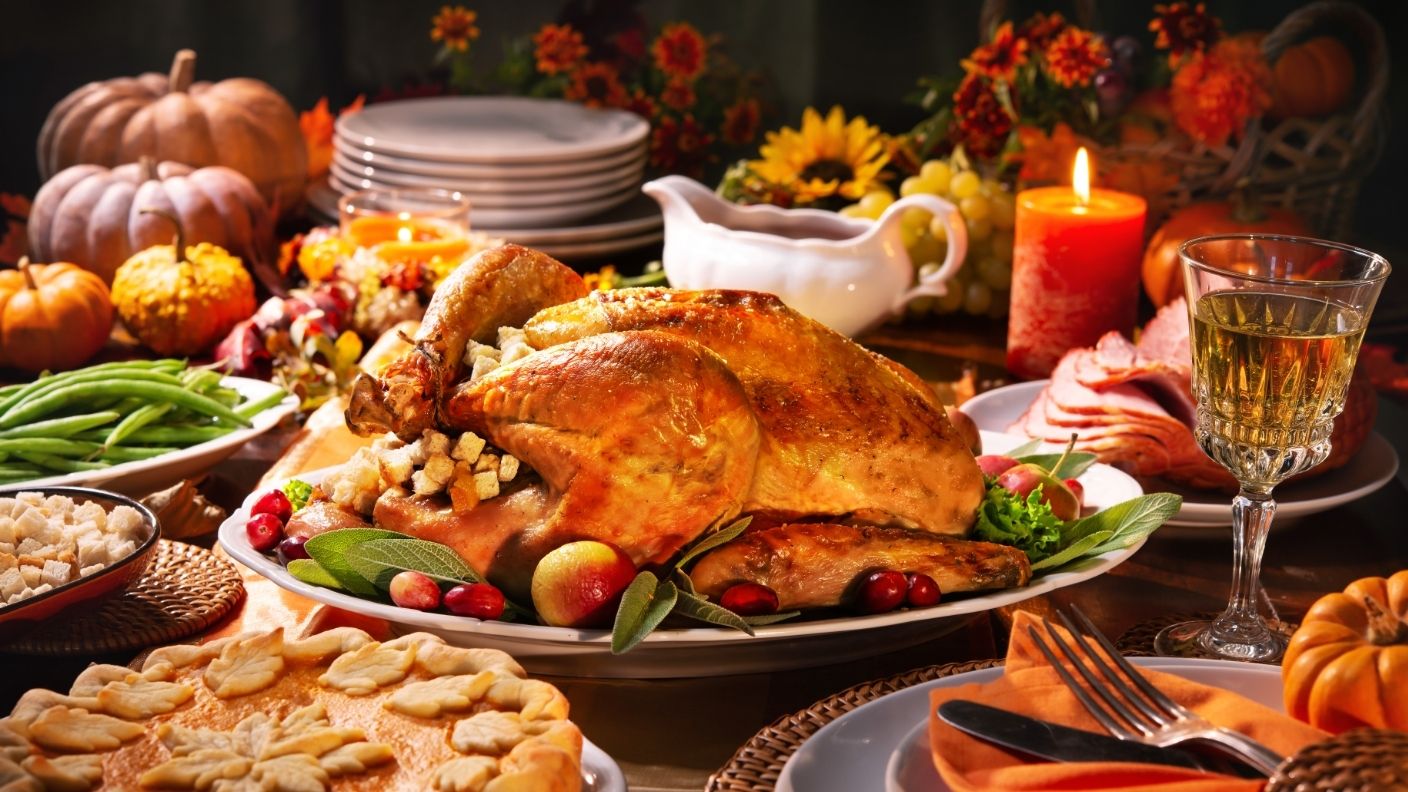
The turkey is the star of the Thanksgiving table, which makes picking one feel like a surprisingly high-stakes decision. Standing at the meat counter in November, shoppers face a wall of birds in every size, with labels promising everything from natural to heritage to self-basting.
Some of those words matter a great deal for flavor and cooking, while others mean far less than they suggest. A little know-how before you shop can make the difference between a dry, disappointing bird and one that earns compliments all around the table.
Figure Out the Right Size First
A good rule of thumb is about 1 to 1.5 pounds of whole turkey per person. That accounts for the weight of the bones and leaves enough for everyone to get a generous serving.
If you want plenty of leftovers for sandwiches and soups, aim for the higher end of that range. For a group of 10, a turkey around 12 to 15 pounds usually works well.
Consider Two Smaller Birds for a Crowd
Very large turkeys, especially those over 20 pounds, can be tricky to cook evenly. The breast often dries out before the thighs reach a safe temperature.
For big gatherings, roasting two smaller turkeys can be easier and more reliable. They cook faster, fit more easily in the oven, and give you more drumsticks to go around.
Decide Between Fresh and Frozen
Fresh turkeys have never been chilled below 26°F, so they’re ready to cook with no lengthy thawing. They should be bought just one or two days before you plan to roast them.
Frozen turkeys are often cheaper and can be purchased weeks ahead. When frozen properly, they taste just as good as fresh, as long as you give them enough time to thaw.
Plan Plenty of Time to Thaw
The safest way to thaw a frozen turkey is in the refrigerator. Plan on about 24 hours of thawing time for every 4 to 5 pounds of turkey.
That means a 16-pound bird needs around four days in the fridge. Thawing on the counter isn’t safe, since the outer layers can sit in the temperature range where bacteria multiply quickly.
Know What “Pre-Basted” Means
Turkeys labeled self-basting, pre-basted, or enhanced have been injected with a solution that usually includes broth, salt, butter, or oil. It helps keep the meat moist and adds seasoning.
The catch is that these birds can be quite salty. If you plan to brine your turkey, skip pre-basted options to avoid an overly salty result.
Kosher Turkeys Come Pre-Salted
Kosher turkeys are processed under rabbinical supervision and are salted during preparation. That salting acts a bit like a brine, giving the meat extra flavor and juiciness.
Like pre-basted birds, kosher turkeys shouldn’t be brined again. They’re a convenient choice for anyone who wants a seasoned bird without the extra step.
“No Hormones Added” Isn’t a Selling Point
Many turkey packages proudly state that the bird was raised without hormones. In the U.S., hormones aren’t allowed in poultry at all, so every turkey qualifies.
Labels making this claim are required to note that federal rules prohibit hormone use. It’s accurate, but it doesn’t make one turkey better than another.
Understand Free-Range and Organic
Free-range turkeys must have some access to the outdoors, though the label doesn’t guarantee how much time they actually spend outside. Organic turkeys are raised on certified organic feed, have outdoor access, and are raised without antibiotics.
These birds typically cost more. Some cooks notice a slightly richer flavor, while others mainly choose them for how the animals were raised.
Heritage Turkeys Taste Different
Heritage breeds, such as Bourbon Red and Narragansett, are older varieties that grow more slowly than the common Broad Breasted White. They tend to have more dark meat and a deeper, slightly gamier flavor.
Heritage turkeys are usually smaller, leaner, and noticeably more expensive. They often need to be ordered ahead from local farms or specialty butchers, and they cook faster than standard birds.
Hens and Toms Taste Similar
You may see turkeys labeled as hens or toms. Hens are female and generally smaller, while toms are male and usually larger.
There’s little difference in flavor or tenderness between the two when they’re raised the same way. Choose based on the size you need rather than the label.
Consider a Breast for Small Gatherings
If you’re hosting just a few people, a whole turkey may be more than you need. A bone-in turkey breast cooks faster and is easier to carve.
It’s also a great option if most of your guests prefer white meat. Pair it with a couple of turkey thighs if you want a mix of light and dark.
Inspect the Package Before Buying
Check that the wrapping isn’t torn or leaking and that the bird feels cold or solidly frozen. For fresh turkeys, look at the sell-by or use-by date and choose the freshest one.
Once home, store it on the bottom shelf of the fridge in a pan or tray to catch any drips. Cook it until the thickest part of the thigh and breast reach 165°F on a meat thermometer.
RELATED ARTICLE: How to Choose the Best Quality Ground Meat at the Grocery Store
