


How to Choose the Best Pumpkin for Thanksgiving Desserts

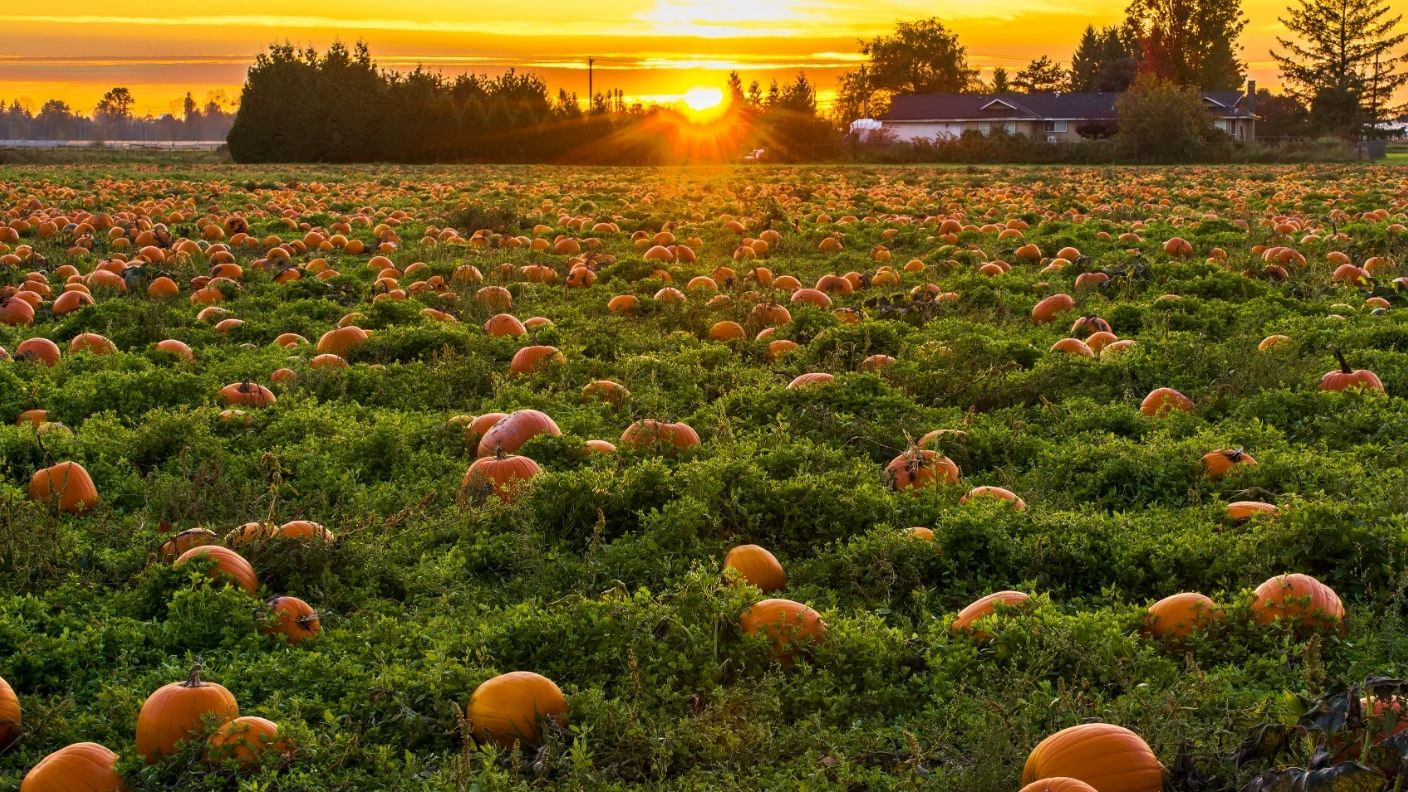

Every fall, grocery store entrances fill up with towering stacks of bright orange pumpkins. It’s tempting to grab one of the biggest, roundest ones and plan a homemade pie around it.
That’s where a lot of Thanksgiving baking goes sideways. The pumpkin that makes a perfect porch decoration is often the worst choice for dessert, and picking the right one can be the difference between a silky, flavorful pie and a watery, bland one.
Skip the Carving Pumpkins
Large jack-o’-lantern pumpkins are bred for size, thin walls, and easy carving. Their flesh tends to be watery, stringy, and mild, which makes for a disappointing pie filling.
You can technically cook them, but you’ll get a lot of liquid and very little flavor. For desserts, it’s worth reaching past the giant display bins.
Look for Pie or Sugar Pumpkins
Pie pumpkins, often labeled sugar pumpkins, are much smaller and denser than carving varieties. They usually weigh around 4 to 8 pounds and have thick, sweet flesh with a smooth texture.
These pumpkins cook down into a rich, velvety puree that holds up beautifully in pies, breads, and cheesecakes. They’re typically sold near the produce section or at farmers markets in the fall.
Try Specialty Baking Varieties
Several heirloom varieties are prized by bakers. Long Island Cheese pumpkins, which are pale tan and flattened like a wheel of cheese, have sweet, smooth flesh that’s excellent for pie.
Fairytale pumpkins, with their deep ribs and dusty orange skin, are another favorite. Cinderella pumpkins, which are bright reddish-orange and squat, can also be used, though their flavor is a bit milder.
Butternut Squash Is a Secret Weapon
Many bakers swear that butternut squash makes an even better “pumpkin” pie than pumpkin itself. Its flesh is sweet, dense, and naturally smooth, with less stringiness.
In fact, much of the canned pumpkin sold in stores comes from a tan-skinned squash variety that’s closer to butternut than to a classic orange carving pumpkin. Swapping in roasted butternut squash puree is an easy, reliable choice.
Pick One That Feels Heavy
When choosing a pie pumpkin, lift a few and compare. The best ones feel heavy for their size, which usually means dense, moist flesh rather than hollow, stringy insides.
Give it a gentle knock as well. A ripe pumpkin should sound slightly hollow while still feeling solid and firm in your hands.
Check the Skin and Stem
Look for smooth, firm skin without soft spots, cracks, mold, or deep bruises. A matte finish and even color are good signs of ripeness.
The stem should be dry, firm, and still attached, ideally an inch or two long. A missing or mushy stem can let bacteria in and shorten the pumpkin’s shelf life.
Know How Much You’ll Need
A 4- to 5-pound pie pumpkin typically yields enough puree for about one standard pie. That’s roughly the same amount as a 15-ounce can of pumpkin.
If you’re baking several desserts, buy extra pumpkins. Leftover puree freezes well and can be used in muffins, pancakes, or soups later.
Canned Pumpkin Is a Reliable Shortcut
There’s no shame in using canned pumpkin, and many professional bakers prefer it for its consistent texture and flavor. Just check that the label says 100 percent pumpkin.
Avoid cans labeled “pumpkin pie filling” unless the recipe specifically calls for it. Pie filling already contains sugar and spices, which can throw off your recipe.
Roast Instead of Boil
For the best flavor, cut pie pumpkins in half, scoop out the seeds, and roast them cut-side down until the flesh is very tender. Roasting concentrates natural sweetness, while boiling can add extra water.
Once cooled, scoop out the flesh and blend it until smooth. If the puree looks wet, let it drain in a fine mesh strainer or cheesecloth for an hour or so before baking.
Store It Properly
Whole pie pumpkins keep for several weeks, and sometimes longer, in a cool, dry, dark place. Avoid stacking them or storing them on damp surfaces, which can cause rot.
Fresh puree keeps in the refrigerator for about four to five days. For longer storage, freeze it in measured portions so it’s ready whenever a recipe calls for it.
RELATED ARTICLE: How to Choose the Best Apples for Eating, Baking and Cooking
