


How to Choose the Best Potatoes for Thanksgiving Mashed Potatoes

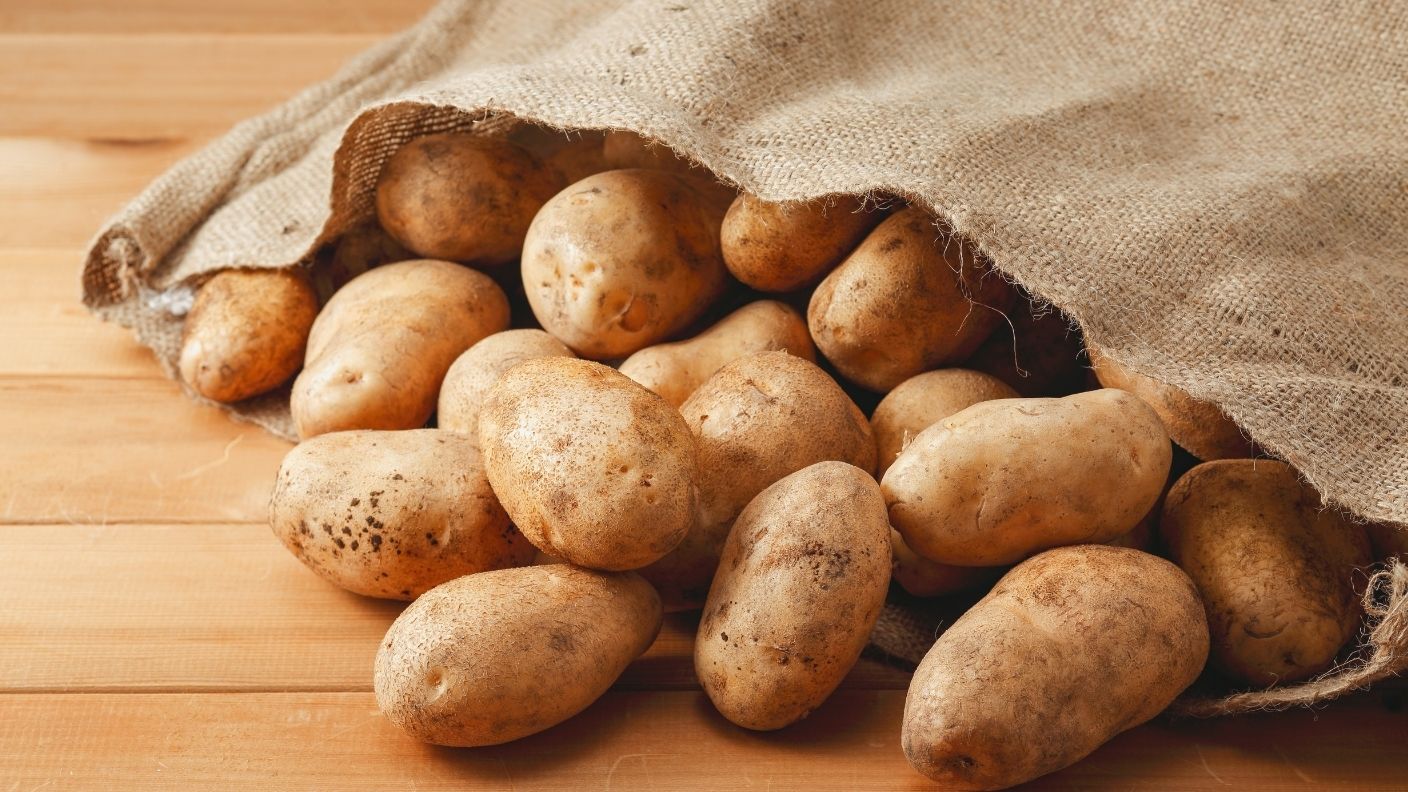

Mashed potatoes might be the most dependable dish on the Thanksgiving table. They go with everything, soak up gravy beautifully, and somehow always disappear faster than expected.
Yet plenty of cooks end up with a bowl that’s gluey, watery, or bland, even when they follow the recipe exactly. More often than not, the problem started at the grocery store, long before the potatoes ever hit the pot.
Starch Content Makes All the Difference
Potatoes generally fall into three groups: starchy, waxy, and all-purpose. Starchy potatoes break down easily and turn fluffy, while waxy potatoes hold their shape and stay firm when cooked.
All-purpose potatoes sit somewhere in between. For mashed potatoes, the starch level determines whether you end up with light and airy, rich and creamy, or dense and sticky.
Russets for Light, Fluffy Mash
Russet potatoes are high in starch and low in moisture. They fall apart easily when cooked and absorb butter and milk well, producing a fluffy, airy texture.
They do need a gentle touch. Overmixing Russets releases too much starch and can make them gluey, so a potato ricer or hand masher works better than an electric mixer.
Yukon Golds for Rich, Creamy Mash
Yukon Gold potatoes are a favorite for good reason. Their medium starch content creates a smooth, creamy texture, and they have a naturally buttery flavor and golden color.
Their skin is thin enough that some cooks leave it on for a rustic touch. Yukons also hold up well to reheating, which makes them a smart choice if you’re preparing the dish ahead of time.
Mix Both for the Best of Both Worlds
Many cooks swear by combining Russets and Yukon Golds. The Russets bring fluffiness, while the Yukons add creaminess and flavor.
A half-and-half mix is a good starting point. It gives you a bowl that’s light without being dry and rich without feeling heavy.
Red Potatoes for Smashed Style
Red potatoes are waxy, with thin skins and firm flesh. They don’t break down as smoothly, so they’re better suited to chunky, skin-on smashed potatoes than silky mash.
If you love a rustic side dish, leave the skins on and mash them lightly with a fork or masher. Avoid whipping them too much, since waxy potatoes can turn gummy quickly.
Skip Fingerlings and Baby Potatoes
Fingerlings, baby potatoes, and other small waxy varieties are delicious roasted or boiled whole. They aren’t ideal for traditional mashed potatoes, though, because they stay too firm and dense.
They’re also more expensive per pound. Save them for a separate roasted side and stick with Russets or Yukons for the mash.
Pick Firm Potatoes With Smooth Skin
At the store, choose potatoes that feel firm and heavy for their size. The skin should be fairly smooth and free of deep cuts, soft spots, or wrinkles.
Avoid potatoes with sprouts or green patches. Green areas can contain a bitter compound called solanine, so trim them away completely or skip those potatoes altogether.
Choose Similar Sizes
Picking potatoes that are close in size makes cooking easier. When pieces are similar, they cook at the same rate, so you won’t have some falling apart while others are still hard.
If sizes vary, cut larger potatoes into chunks that match the smaller ones. Even pieces lead to an even, smooth mash.
Buy the Right Amount
A good rule of thumb is about half a pound of potatoes per guest. That provides a generous serving for most people.
If your family loves leftovers or seconds, plan on a bit more. Extra mashed potatoes freeze well and can become potato cakes or shepherd’s pie later in the week.
Store Them in a Cool, Dark Place
Keep potatoes somewhere cool, dark, and well-ventilated, like a pantry or cupboard. A paper bag or mesh bag lets them breathe and helps prevent rot.
Avoid storing raw potatoes in the refrigerator, where cold temperatures can turn some of their starch into sugar and change their flavor. Keep them away from onions too, since the two can make each other spoil faster.
Small Prep Steps Matter Too
Start the potatoes in cold, well-salted water and bring them to a boil together, which helps them cook evenly. Once they’re tender, drain them well and let them sit in the warm pot for a minute or two to steam off extra moisture.
Warm your butter and milk or cream before adding them so the potatoes stay hot and absorb the dairy smoothly. Mash just until combined to keep the texture light rather than gluey.
RELATED ARTICLE: How to Choose the Best Apples for Eating, Baking and Cooking
