

How to Choose the Best Ham for Your Thanksgiving Table

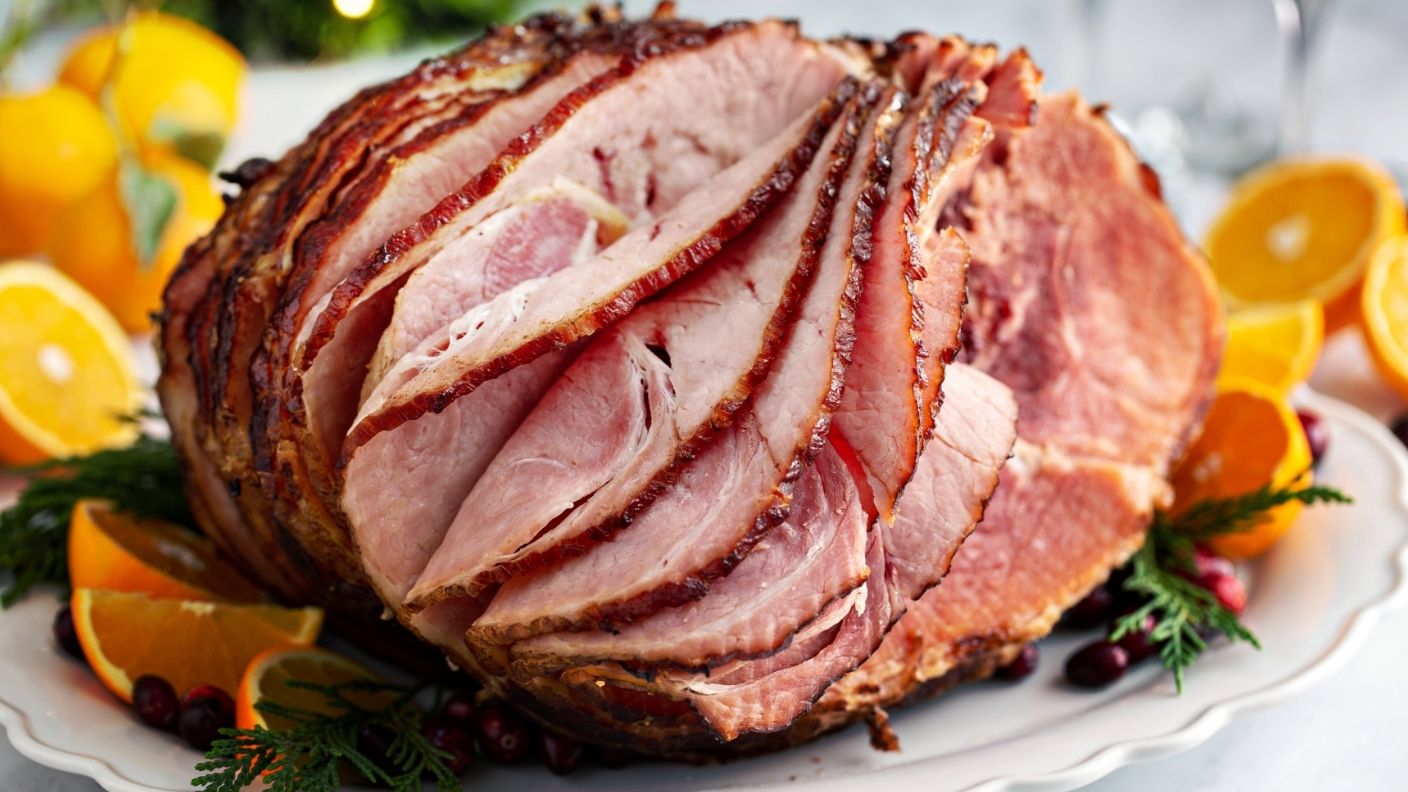

Turkey may get top billing at Thanksgiving, but plenty of families wouldn’t dream of hosting without a glistening ham on the table. Some serve it alongside the bird, while others skip turkey altogether in favor of something easier to slice and reheat.
The catch is that the ham section at the grocery store can be surprisingly confusing. Labels like city, country, spiral-cut, and water added all mean very different things, and choosing the wrong one can leave you with a dry, salty, or underwhelming centerpiece.
Know the Main Types of Ham
Most hams fall into three categories: fresh, city, and country. Fresh ham is uncured pork from the leg, and it cooks and tastes more like a pork roast than a traditional holiday ham.
City ham is the familiar pink, juicy ham sold in most grocery stores. Country ham is dry-cured and aged, giving it an intense, salty flavor that’s very different from the mild, sweet ham most people expect.
City Ham Is the Classic Choice
City hams are wet-cured, usually by soaking or injecting them with a brine, and many are smoked. They’re tender, mildly salty, and widely available in a range of sizes.
Most city hams are sold fully cooked, which means they only need to be reheated. That makes them a convenient, low-stress option for a busy holiday kitchen.
Country Ham Needs Extra Prep
Country hams, like the well-known Virginia and Kentucky styles, are rubbed with salt and aged for months. The result is a firm, deeply savory ham with a lot of character.
They’re often very salty and usually need to be soaked in water for a day or more before cooking. Country ham is best served in thin slices, more like prosciutto than a thick holiday ham slice.
Check Whether It’s Fully Cooked
Labels will say either “fully cooked” or “cook before eating.” Fully cooked hams just need warming, ideally to an internal temperature of about 140°F.
Hams labeled cook before eating need to reach 145°F, followed by a three-minute rest. Reading the label carefully helps you plan your oven time and avoid undercooking.
Bone-In Brings More Flavor
Bone-in hams generally have richer flavor and juicier meat, since the bone helps the meat cook more evenly. They also make for a more impressive presentation on the table.
The leftover bone is a bonus too. It’s perfect for simmering into split pea soup, bean soup, or a pot of greens later in the week.
Boneless Is Easier to Carve
Boneless hams are often shaped into a uniform loaf, making them simple to slice. They’re a good choice if you want quick, neat portions without wrestling with a bone.
The trade-off is that some boneless hams are pressed or formed from several pieces of meat. That can give them a slightly different texture than a whole bone-in ham.
Spiral-Cut Saves Time
Spiral-cut hams come pre-sliced around the bone, so serving is as easy as pulling off pieces. They’re one of the most popular choices for holiday gatherings.
Because the slices are already cut, they can dry out quickly when reheated. Warm them gently at a low oven temperature, wrapped tightly in foil, and add glaze only near the end.
Choose Between the Butt and Shank End
If you’re buying a half ham, you’ll often see two options: the butt end and the shank end. The butt end, from the upper part of the leg, is meatier and a bit fattier.
The shank end comes from the lower leg and has that classic, tapered ham look. It’s easier to carve but usually contains a little less meat.
Read the Water Content Labels
Ham labels also reveal how much water was added during curing. A ham labeled simply “ham” has the least added water, followed by “ham with natural juices.”
“Ham, water added” contains more, and “ham and water product” can contain quite a lot. Hams with less added water tend to have a firmer texture and more concentrated flavor.
Buy the Right Amount
For a bone-in ham, plan on about three-quarters of a pound to one pound per person. For boneless ham, around one-third to one-half pound per person is usually enough.
If you want leftovers for sandwiches, soups, or breakfast hash, buy a little extra. Ham keeps well and is one of the most versatile holiday leftovers.
Skip the Glaze Packet
Many hams come with a small packet of glaze, which is often mostly sugar and artificial flavor. Making your own takes only a few minutes and tastes far better.
Simple combinations like brown sugar and Dijon mustard, maple syrup and orange juice, or honey with a little cinnamon and cloves all work beautifully. Brush it on during the last 20 to 30 minutes of heating so it caramelizes without burning.
Store It Safely
Keep ham refrigerated until you’re ready to heat it, and follow the use-by date on the package. Once cooked or opened, leftovers stay fresh in the fridge for about three to five days.
For longer storage, freeze sliced or cubed ham in airtight bags. It holds up well in the freezer and is easy to pull out for quick meals later.
RELATED ARTICLE: How to Choose the Best Quality Ground Meat at the Grocery Store
