


How to Choose the Best Cranberries for Thanksgiving Recipes

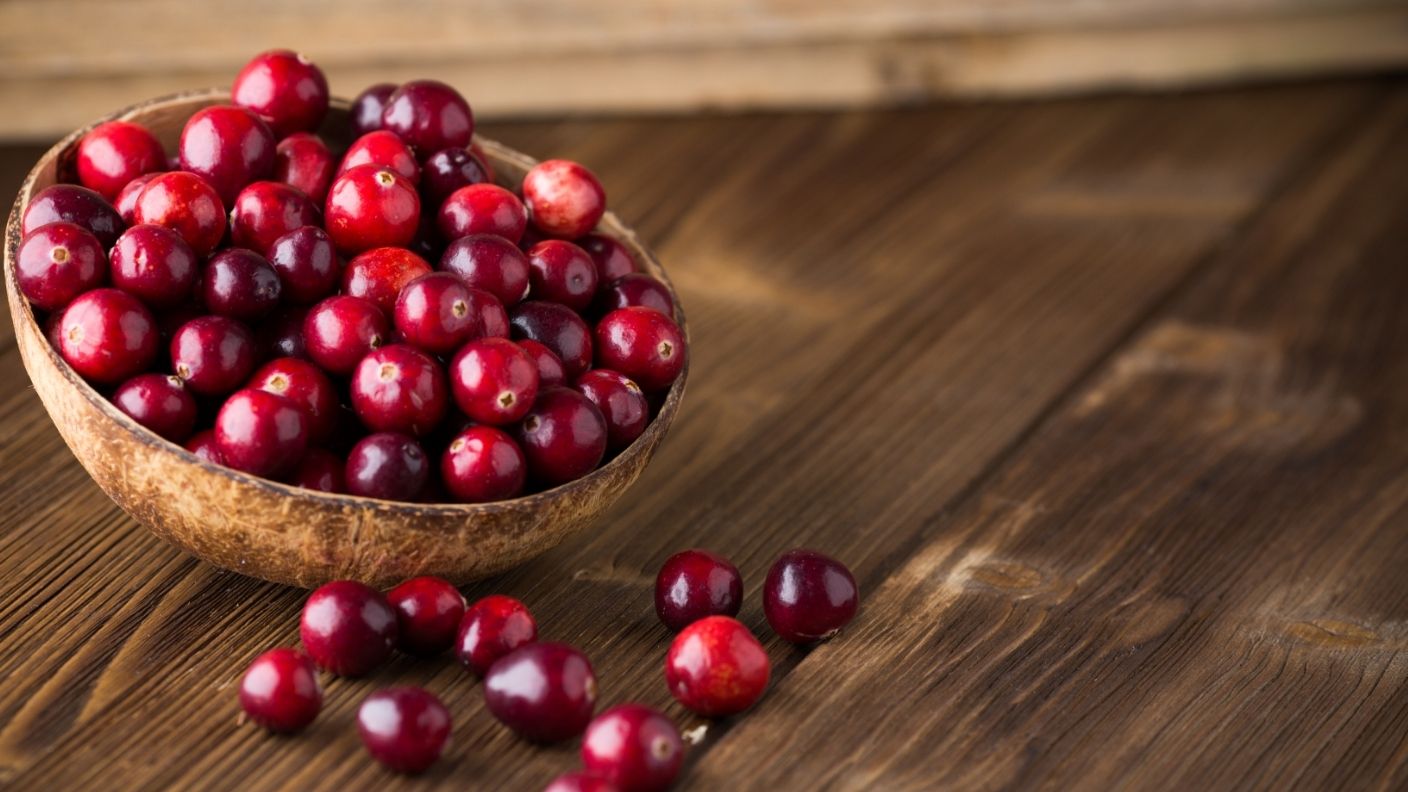
Cranberries only get a few weeks in the spotlight each year, but they carry a lot of weight on the Thanksgiving table. A bright, tangy sauce can balance rich turkey and buttery sides, while a dull or bitter batch can fall flat.
Picking the right cranberries isn’t complicated, yet many shoppers grab the first bag they see without a second look. A few quick checks at the store, plus knowing which form works best for each recipe, can make a noticeable difference.
Shop During Peak Season
Fresh cranberries are harvested in the fall, and they typically show up in grocery stores from around October through December. That window lines up perfectly with Thanksgiving.
Buying them earlier in the season gives you more flexibility. You can grab extra bags while they’re plentiful and freeze some for recipes later in the winter.
Look for Firm, Plump Berries
Good fresh cranberries should feel firm and look plump, with shiny, smooth skin. Gently squeeze the bag to check that the berries aren’t soft or mushy.
Skip bags with shriveled, wrinkled, or leaking berries. Those signs usually mean the fruit is old or has started to break down.
Pay Attention to Color
Fresh cranberries range from bright red to deep crimson, and some may have lighter patches. Darker berries often have a slightly richer flavor and more color to share with sauces and baked goods.
A few lighter berries mixed in aren’t a problem. They tend to taste just as tart and still work well once cooked down with sugar.
Try the Bounce Test
Fresh cranberries have small air pockets inside, which is why good ones literally bounce. Growers have historically used bouncing to sort quality berries from damaged ones.
At home, you can drop a few on the counter while sorting. Berries that bounce are usually fresh and firm, while soft ones that splat are best tossed.
Check the Bag for Moisture
Cranberries are usually sold in sealed plastic bags. Look through the packaging for excess moisture, mold, or a lot of crushed berries pooled at the bottom.
A little condensation is normal after refrigeration. Heavy wetness or white fuzzy spots, though, mean the bag is past its prime.
Buy Enough for Your Recipes
A standard 12-ounce bag of fresh cranberries makes a little over 2 cups of homemade sauce. That’s usually enough to serve about 8 to 10 guests as a side.
If you’re making cranberry bread, relish, or a dessert too, plan on buying extra bags. They’re inexpensive and easy to store if you end up with leftovers.
Frozen Cranberries Work Just as Well
Frozen cranberries are a great option for sauces, muffins, breads, and baked desserts. They’re usually frozen soon after harvest, so they hold their flavor and nutrients.
There’s no need to thaw them before cooking. Just rinse them quickly and add them straight to the pot or batter, adjusting cooking time slightly if needed.
Use Dried Cranberries Strategically
Dried cranberries bring chewy texture and sweetness to stuffing, salads, grain dishes, and cookies. They’re convenient and keep for months in the pantry.
Most dried cranberries are sweetened, so they taste much sweeter than fresh ones. They don’t work as a direct swap in cranberry sauce, which needs fresh or frozen berries to break down properly.
Pick the Right Canned Sauce
If you’re short on time, canned cranberry sauce is a perfectly good shortcut. Jellied sauce is smooth and sliceable, while whole-berry sauce has a chunkier, more homemade texture.
Many people choose based on family tradition. You can also dress up whole-berry sauce with orange zest, cinnamon, or a splash of fresh orange juice for extra flavor.
Store Fresh Cranberries Properly
Keep fresh cranberries in the refrigerator, where they typically last several weeks. Before storing, pick out any soft or damaged berries, since they can cause others to spoil faster.
For longer storage, freeze them in their original bag or an airtight freezer bag. Frozen cranberries can keep for many months and are ready whenever you need them.
Rinse and Sort Before Cooking
Wait to wash cranberries until just before you use them, since moisture shortens their shelf life. Rinse them in a colander and remove any stems, leaves, or mushy berries.
When making sauce, simmer the berries until most of them pop, which usually takes about 10 minutes. That popping releases their natural pectin and helps the sauce thicken as it cools.
RELATED ARTICLE: How to Choose the Best Apples for Eating, Baking and Cooking
