


How to Choose the Best Cheese for Cooking, Snacking and Entertaining

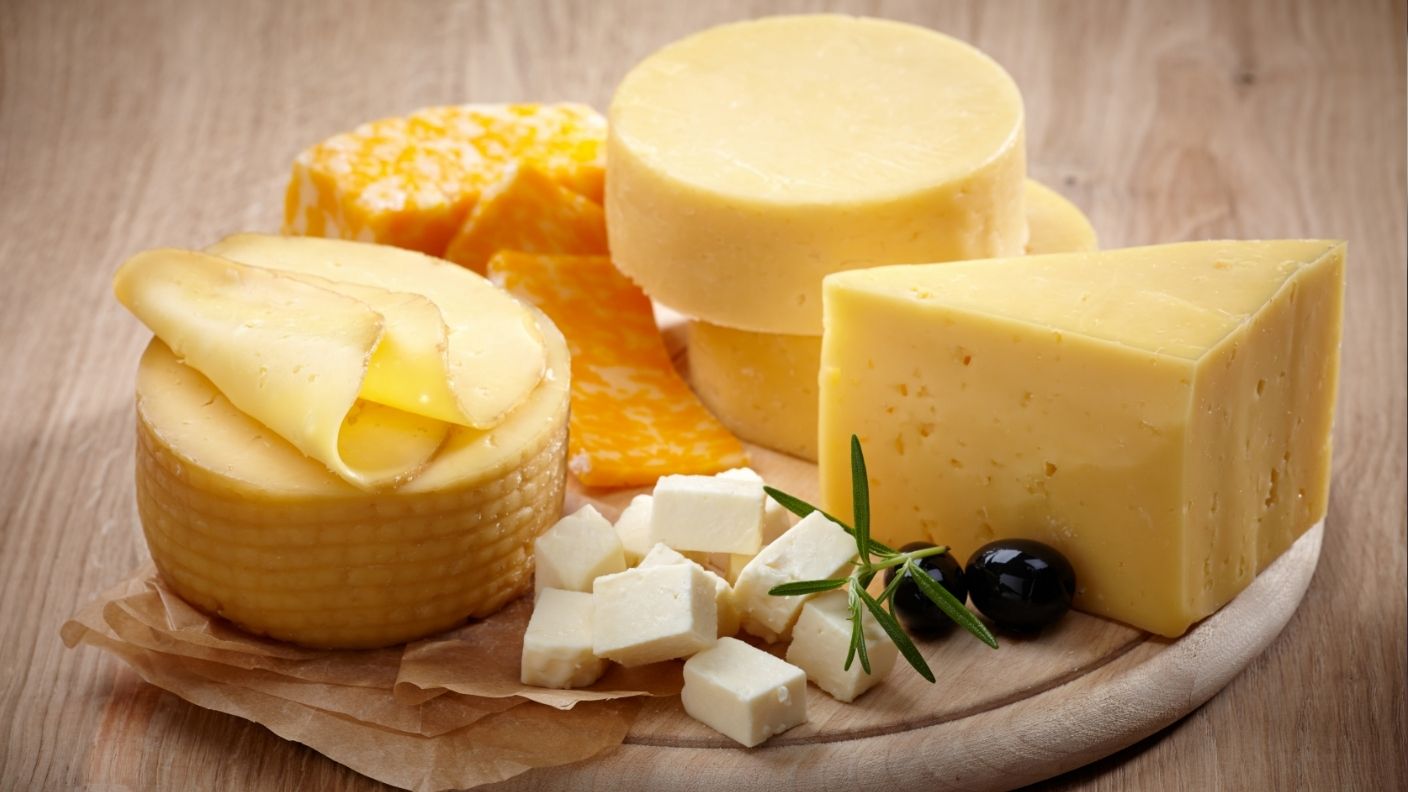

Walking into a cheese aisle with no plan usually ends with a wedge that doesn’t actually fit the job. The right pick depends less on personal taste and more on what that cheese is actually being asked to do.
What Makes a Cheese Melt Well
Moisture is the biggest factor in how smoothly a cheese melts. Higher-moisture cheeses like mozzarella, young gouda, and fontina turn creamy and stretchy under heat.
Fat content plays a role too. Fattier cheeses melt more smoothly, since that fat helps everything blend rather than separate.
Acidity matters as well. Lower-acid cheeses melt more evenly, which is part of why gruyère works so well in fondue and gratins.
Aged Cheese Belongs on Top, Not Inside
Hard, aged cheeses like parmesan and pecorino lose most of their moisture during aging. That makes them prone to turning oily or grainy if melted directly into a sauce.
Their real strength is finishing a dish, not becoming part of it. Grated over pasta or shaved onto a salad, they add sharpness without ever needing real heat.
Trying to melt one down the way you would mozzarella usually ends in disappointment.
Snacking Cheese Should Hold Its Own
A cheese meant for snacking has to taste complete completely on its own, with no sauce or heat to lean on. Firm, flavorful options like aged cheddar, gouda, or manchego handle that job well.
These cheeses tend to have enough character to stand up to just a cracker or a piece of fruit. Milder, wetter cheeses can taste flat without something else to round them out.
A Good Cheese Board Needs Contrast
A board built entirely from one texture gets boring fast, no matter how good each cheese is individually. Mixing a soft cheese, a semi-hard one, a hard aged option, and something blue covers the range people actually want to graze through.
That contrast matters more than picking the most expensive wedge in the shop. A board with real texture variety reads as thoughtful even with fairly ordinary cheeses on it.
Pairings Do Half the Work
Fruit, nuts, and a drizzle of honey aren’t just decoration, they change how a cheese actually tastes. A sharp blue cheese softens next to something sweet, while a mild cheese gets more interesting next to something crunchy or salty.
Crackers matter too, and a plain one tends to work better than a heavily flavored one. The goal is a base that supports the cheese rather than competing with it.
Reading the Label Before You Buy
A cheese’s texture at the store is a decent clue to how it’ll behave later. If it bends easily in your hand, it’ll likely melt well; if it’s dry and crumbly, it’s built for grating or snacking instead.
Age on the label is another signal worth checking. Younger cheeses tend to be milder and melt more easily, while longer-aged versions bring sharper flavor at the cost of that smooth melt.
RELATED ARTICLE: Havarti vs. Muenster: Differences & Uses
