


How to Choose the Best Canned Tuna and What to Look for on the Label

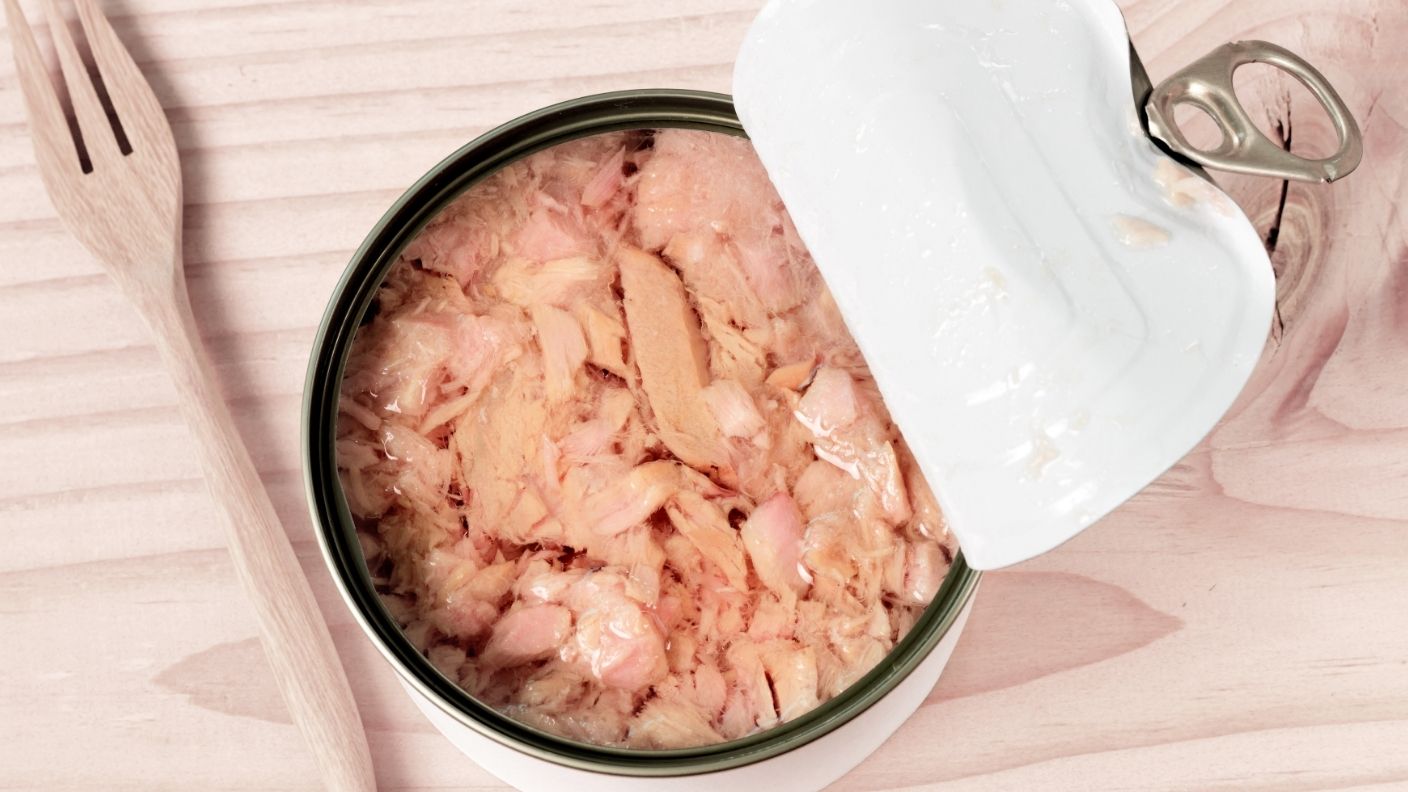

Stand in front of a canned tuna shelf and the choices multiply fast. Light, white, solid, chunk, in water, in oil, pole-and-line, low sodium, and prices that range from pocket change to a small splurge.
A few words on the label tell you most of what you need to know. Once those make sense, picking a can gets much faster.
Start With the Species
The words “light” and “white” aren’t marketing fluff. Canned light tuna is typically skipjack, while white tuna is always albacore, and the two differ in a way that matters.
Skipjack averages around 0.126 parts per million of mercury, while albacore sits closer to 0.350, roughly three times higher.
That gap is why the FDA places canned light tuna on its “Best Choices” list and albacore on the “Good Choices” list. Albacore does come with more omega-3 fats, so it isn’t the villain, just a choice to enjoy a little less often.
Know the Weekly Serving Guidance
The FDA suggests two to three servings a week of canned light tuna for adults, with a serving counted as four ounces. Albacore is limited to about one serving a week.
Bigeye tuna, which is rarely canned, falls into the “avoid” category.
Pregnant and nursing women follow the same weekly limits and are encouraged to lean on light tuna. Children eat smaller portions, so anyone cooking for kids should check the FDA’s fish advice for the right amounts.
Decide Between Water and Oil
Water-packed tuna is lighter, with fewer calories and less fat. One three-ounce serving of light tuna in water has about 73 calories, versus around 109 for white tuna in water.
Oil-packed tuna tastes richer and stays more tender.
That makes it a good fit for pasta, salads, and toast, where the oil becomes part of the dish. Water-packed works best when the goal is lower calories or when the tuna is going into a mayo-based salad.
Understand Solid, Chunk, and Flaked
These words describe texture and price rather than quality or safety. Solid packs hold larger, firmer pieces and tend to cost more, while chunk and flaked varieties break apart more easily.
For tuna salad or melts, chunk and flaked work perfectly well.
Solid is better when the fish is the centerpiece, such as on a salad niçoise or a sandwich where a clean slice of tuna is part of the appeal. The extra cost only makes sense when texture matters.
Look for Sustainability Wording
Labels like “pole-and-line caught” and “troll-caught” point to smaller, more selective fishing methods. “FAD-free” signals that fish weren’t gathered around floating aggregation devices, which can lead to more accidental catch.
Pole-and-line fish also tend to be younger and smaller, which generally means less mercury buildup.
Only a small share of canned tuna carries these claims, so they’re worth a few extra cents when available. Third-party sustainability certifications on the label can add another layer of confidence.
Check the Sodium and the Can
Sodium varies a lot from brand to brand. A serving of light tuna in water can have around 210 milligrams, while white tuna in water runs closer to 320.
Low-sodium and no-salt-added versions are easy to find if salt is a concern.
Some cans also advertise BPA-free linings. Many can linings contain BPA or replacement chemicals that haven’t been well studied, so a BPA-free label is a reasonable tiebreaker when everything else is equal.
RELATED ARTICLE: 11 High Protein Fish and Seafood (Recipe Ideas Included)
