


How to Choose the Best Balsamic Vinegar Without Overpaying

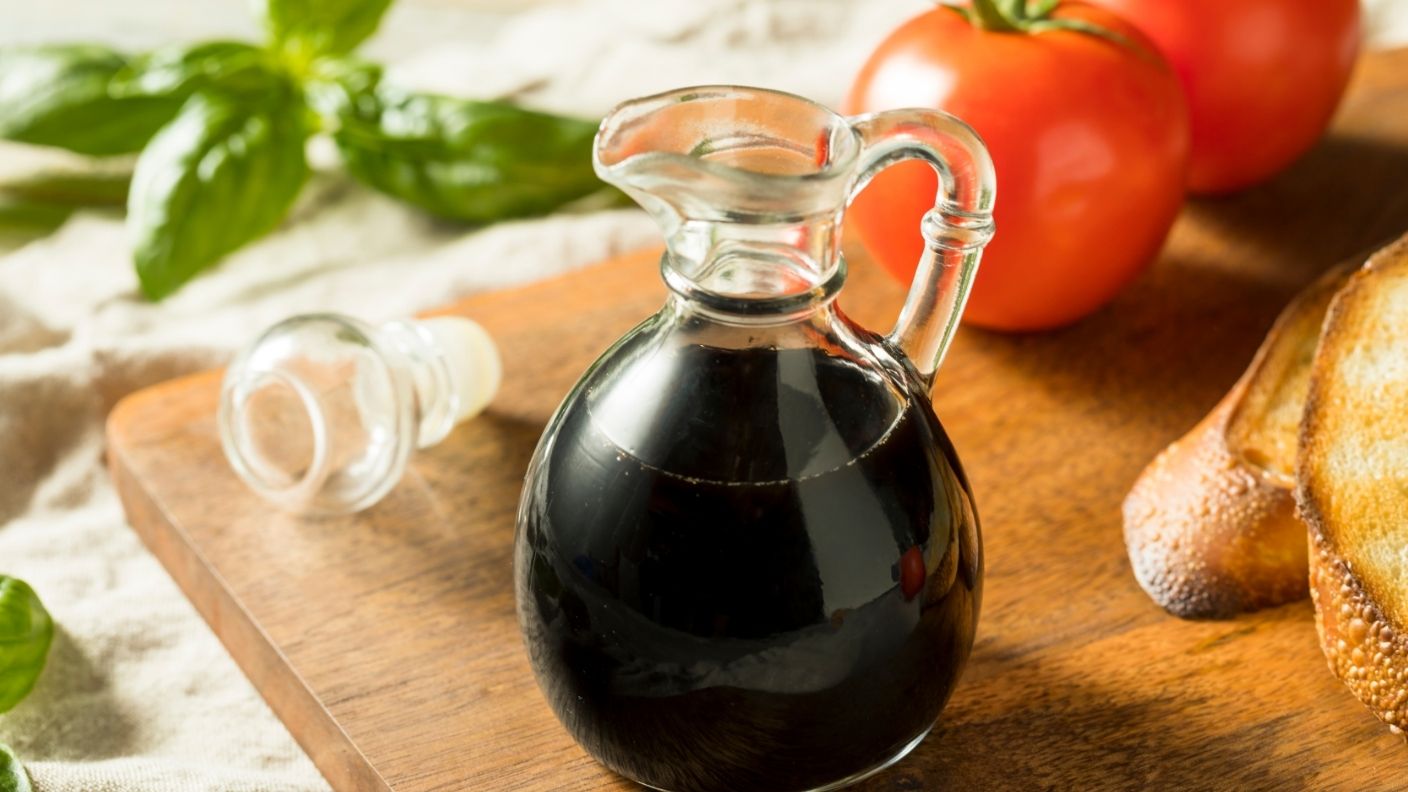

Grocery store shelves can stock bottles labeled “balsamic vinegar” ranging from a few dollars to well over a hundred, all sitting within arm’s reach of each other. Nothing on the label makes it obvious which one is actually worth the money for what’s being cooked at home.
The difference comes down to a handful of details most shoppers walk right past without ever checking.
There Are Two Genuinely Different Categories
What gets sold as balsamic vinegar actually falls into two distinct categories that have almost nothing in common beyond the name. Traditional balsamic vinegar is aged for years in a series of wooden barrels and produced in extremely limited quantities under strict regulation.
Commercial balsamic vinegar, the kind found in most grocery aisles, is made much faster and often blends wine vinegar with grape must and sometimes caramel coloring. Neither category is inherently bad, but paying traditional-level prices for a commercial product, or expecting commercial results from a traditional bottle, leads to disappointment either way.
Look for the Certification on Traditional Bottles
Genuine traditional balsamic vinegar from Modena or Reggio Emilia carries a certification seal, either DOP or IGP, printed clearly on the bottle. That seal confirms the vinegar was produced according to strict regional standards, aged for a minimum number of years, and evaluated by an official tasting panel before bottling.
A bottle claiming to be “traditional” or “aged” without that seal is almost certainly a commercial product using those words loosely rather than accurately. This single check eliminates most of the guesswork and prevents paying premium prices for a bottle that isn’t what it claims to be.
Read the Ingredient List Before the Marketing
A high-quality commercial balsamic vinegar should list wine vinegar and grape must as its main ingredients, with little else added. Once caramel color, thickeners, or added sugar start showing up further down the list, that’s usually a sign of a lower-quality product dressed up with marketing language on the front label.
Words like “gourmet,” “premium,” or “artisan” on packaging carry no legal definition and don’t guarantee anything about what’s actually in the bottle. The ingredient list on the back tells a far more honest story than anything printed in bold on the front.
Check the Age Statement, Not Just the Word “Aged”
For traditional balsamic vinegar, an actual age statement, usually 12 years or 25 years, indicates how long it spent maturing in barrels before bottling. Longer aging produces a thicker, more concentrated vinegar with a noticeably more complex flavor, which is part of why older bottles cost significantly more.
Commercial vinegars sometimes use the word “aged” without specifying any timeframe at all, which makes the term essentially meaningless on its own. If a number isn’t attached to the claim, it’s safe to assume there isn’t much of one behind it.
Judge the Consistency and Color
Higher-quality balsamic vinegar, whether traditional or a well-made commercial version, tends to have a syrupy consistency that coats a spoon rather than running off it like water. Its color should be a deep, glossy brown rather than a thin, watery shade.
A bottle that pours thin and pale is likely diluted or heavily processed, regardless of what the label promises. This is one of the easiest checks to do in person before buying, simply by tilting the bottle and watching how the liquid moves.
Match the Bottle to How It’ll Actually Be Used
A vinegar meant for cooking into a sauce or reducing over heat doesn’t need to be the same bottle used for drizzling over fresh mozzarella or finishing a dessert. Since cooking mellows and transforms the flavor anyway, a mid-range commercial bottle handles that job just as well as an expensive one would.
Saving a genuinely traditional, aged bottle for finishing dishes where its flavor actually shines makes far better use of the money spent on it. Buying one expensive bottle for drizzling and a separate, inexpensive one for cooking often works out cheaper than trying to make a single bottle do both jobs.
RELATED ARTICLE: White Wine Vinegar vs. White Balsamic Vinegar: Differences & Uses
