


How Serena Williams (44) Feeds Two Kids Like Champion Athletes

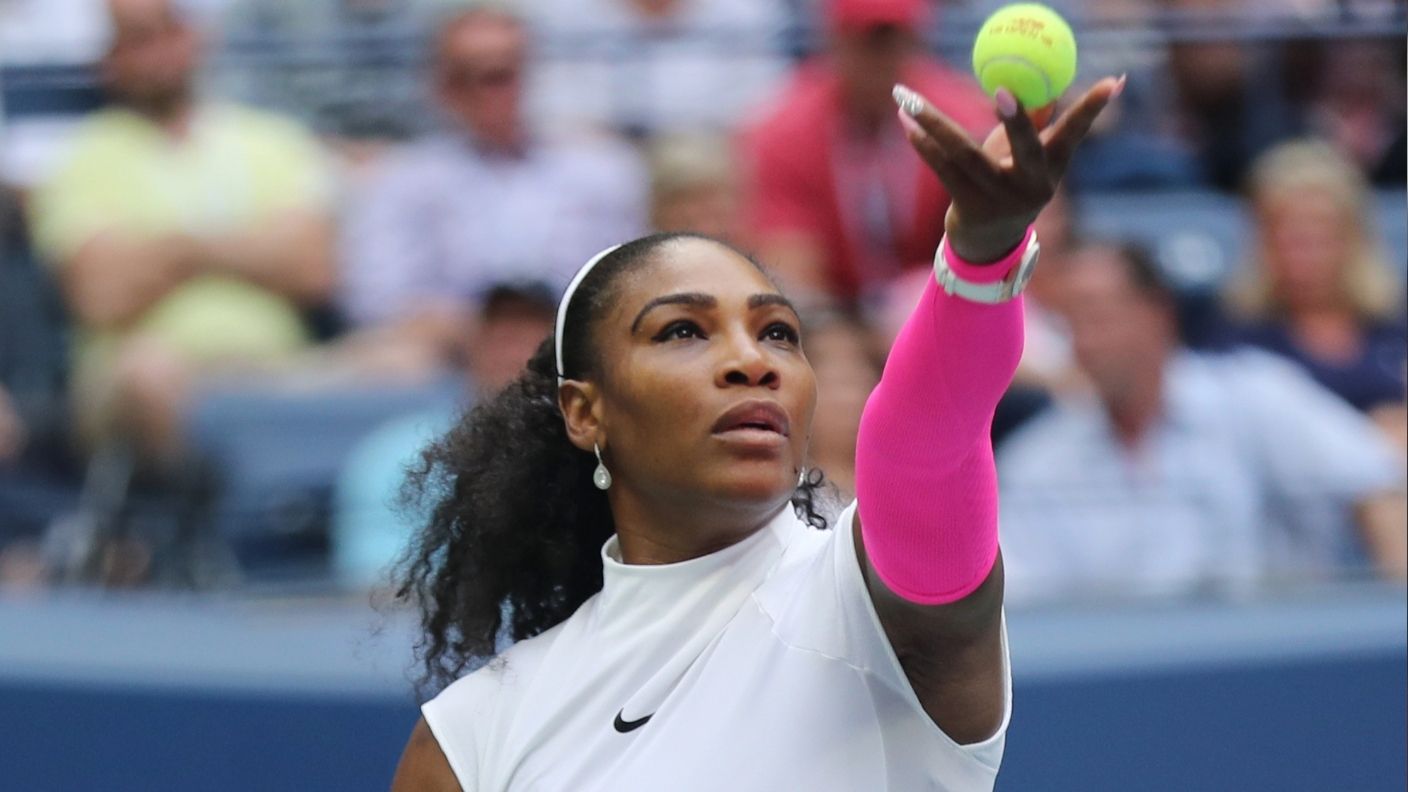

Serena Williams built a 23-Grand-Slam career on treating food as fuel rather than comfort. These days, that same mindset shapes her kitchen just as much, even if her daughters aren’t training for anything more competitive than a good nap.
Food as Fuel Didn’t Retire When She Did
Williams has described her personal philosophy plainly: eat to live, not live to eat. That framework carried her through two decades at the top of tennis, and it hasn’t disappeared just because her own competing days are over.
Applying that same intentionality to her kids’ meals doesn’t mean handing a toddler a performance diet. It means treating food as something with a purpose, a habit she picked up under far higher stakes than a family dinner.
Cooking Together Is Where the Habit Actually Starts
Williams has shared video of teaching her daughter Olympia how to make her gumbo recipe from scratch, captioning it, “Bet you didn’t know I love cooking. Here is me teaching her my recipe.” It’s a hands-on moment, not a lecture about nutrition.
That kind of involvement mirrors what she’s said about learning discipline herself, through repetition and doing rather than being told. Getting a child cooking alongside her achieves something similar with food.
A Plant-Based Shift Reshaped the Whole Kitchen
After her sister Venus was diagnosed with Sjögren’s syndrome, Williams moved the household toward more plant-based meals rather than keeping two different kitchens running. She’s mentioned a Spanish omelet made with potatoes and JUST Egg as one the whole family genuinely enjoys.
That shift wasn’t framed as a restrictive diet for anyone at the table. It came from a real health scare in the family, which tends to make dietary change stick better than a general wellness trend ever could.
She’s Paying Closer Attention to Her Own Plate Too
Williams has partnered with Lingo, a continuous glucose monitor, to track how different foods affect her energy in real time. Watching that data directly, rather than guessing, has shaped how deliberately she now thinks about what goes on her own plate.
Kids notice that kind of attention even when it isn’t aimed at them directly. A parent visibly paying attention to how food affects how they feel sends its own quiet message at the table.
Treats Still Have a Place at the Table
None of this reads as strict. Williams and her husband Alexis Ohanian have laughed publicly about their younger daughter’s first taste of gelato, with Ohanian recalling that she’d never tasted anything that good in her life.
There’s also a running joke in the family called the “Papa Tax,” where Ohanian snacks off the kids’ plates as an unofficial parenting perk. That kind of lightness matters just as much as any nutrition philosophy in keeping meals from feeling like a chore.
The “Champion” Part Is More About Mindset Than a Meal Plan
None of this amounts to a literal athlete’s meal plan handed down to a young child. What actually transfers is the underlying mindset: food treated with intention, cooking treated as a skill worth teaching early, and none of it taken so seriously that a scoop of gelato becomes a big deal.
That distinction matters. The discipline that won Williams 23 Grand Slam titles shows up at her family table less as a strict system and more as a general habit of paying attention, which is a much more realistic thing to actually pass down.
RELATED ARTICLE: Delicious & Easy Protein Meals for Kids
