


How Many Times Can You Reuse the Same Frying Oil?

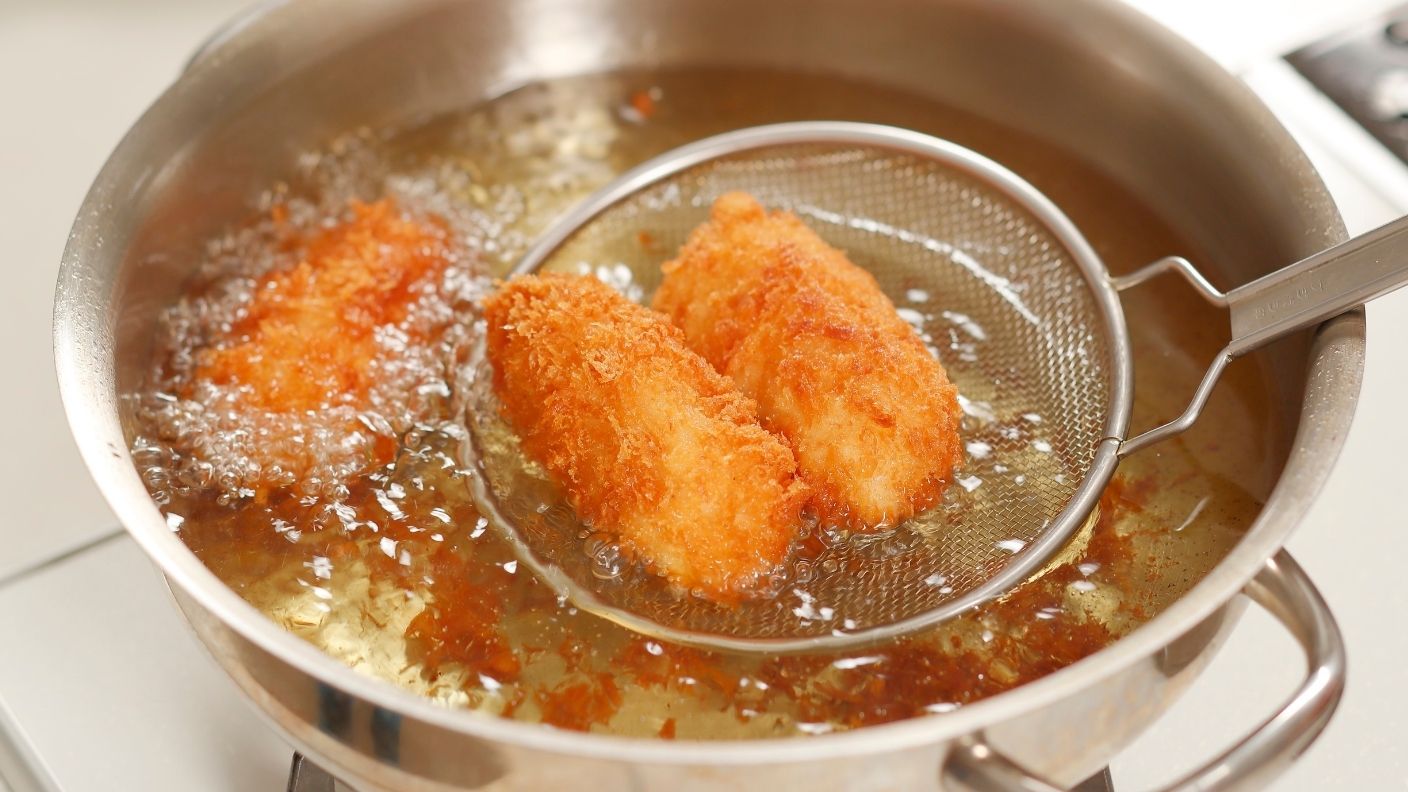

Frying oil isn’t cheap, and tossing out a full pot after a single use feels wasteful. The good news is that reusing it is generally fine, but only up to a point, and knowing where that point is comes down to understanding what’s actually happening to the oil each time it’s heated.
What Actually Happens to Oil Each Time It’s Heated
Every time oil is heated to frying temperature, typically somewhere between 350°F and 375°F, its chemical structure starts to change.
According to Columbia University’s health education service, frying at or above roughly 375°F can alter the fats in the oil enough to create new compounds known as lipid degradation products, which accumulate more with each additional use.
A detailed study published through the National Institutes of Health tracked this degradation directly, reusing several common oils up to 100 times while measuring acid values, peroxide values, and other markers of oxidation.
The findings confirmed that different oils break down at very different rates, meaning there’s no single universal number that applies to every type of oil or every kitchen.
So How Many Times Is Actually Safe?
For most home cooks, the safe range tends to land somewhere between three and five uses, though the exact number depends heavily on what’s being fried.
Testing done by America’s Test Kitchen found that oil used to fry breaded chicken started producing off-flavors after the fifth batch, while oil used only for something cleaner, like potato chips, still performed well even after eight uses.
That distinction matters because breaded and battered foods shed more crumbs and residue into the oil, speeding up the breakdown process compared to plainer foods.
As a general rule, oil used for heavily coated or proteins-heavy foods should be retired sooner, while oil used mainly for vegetables or plain starches can typically go a few rounds further.
Signs Your Oil Has Gone Bad
Rather than counting uses alone, food safety guidance consistently points to watching the oil itself for warning signs. The USDA’s Food Safety and Inspection Service advises discarding oil that has become cloudy, developed a foul odor or taste, or started foaming during use, all signs that it’s no longer safe to cook with.
Oil that has darkened significantly, thickened noticeably, or begun smoking well below its usual temperature is also past its point of safe reuse. When in doubt, trusting these visible and smell-based cues is more reliable than sticking to a fixed number of uses.
How to Store and Reuse Oil Safely
Proper handling between fries makes a real difference in how long oil actually lasts. USDA guidance recommends letting the oil cool completely, straining it through a cheesecloth or fine sieve to remove leftover food particles, and storing it in a sealed, light-proof container, ideally refrigerated, for up to three months.
Keeping oil away from heat, light, and air exposure between uses slows down the oxidation process considerably. Skipping this step, or leaving oil sitting out uncovered, will shorten its usable life no matter how high-quality the oil started out.
The Bottom Line
There’s no single correct answer to how many times frying oil can be reused, since it depends on the type of oil, what’s being cooked in it, and how carefully it’s stored between uses.
Following general food safety guidance, straining and storing oil properly, and paying attention to color, smell, and smoke point are the most reliable ways to know when it’s time to start fresh.
RELATED ARTICLE: The Food Rules That Sound Crazy—But Actually Make Sense
