


How Eating Just One Avocado a Day Dramatically Changes Your Gut Microbiome

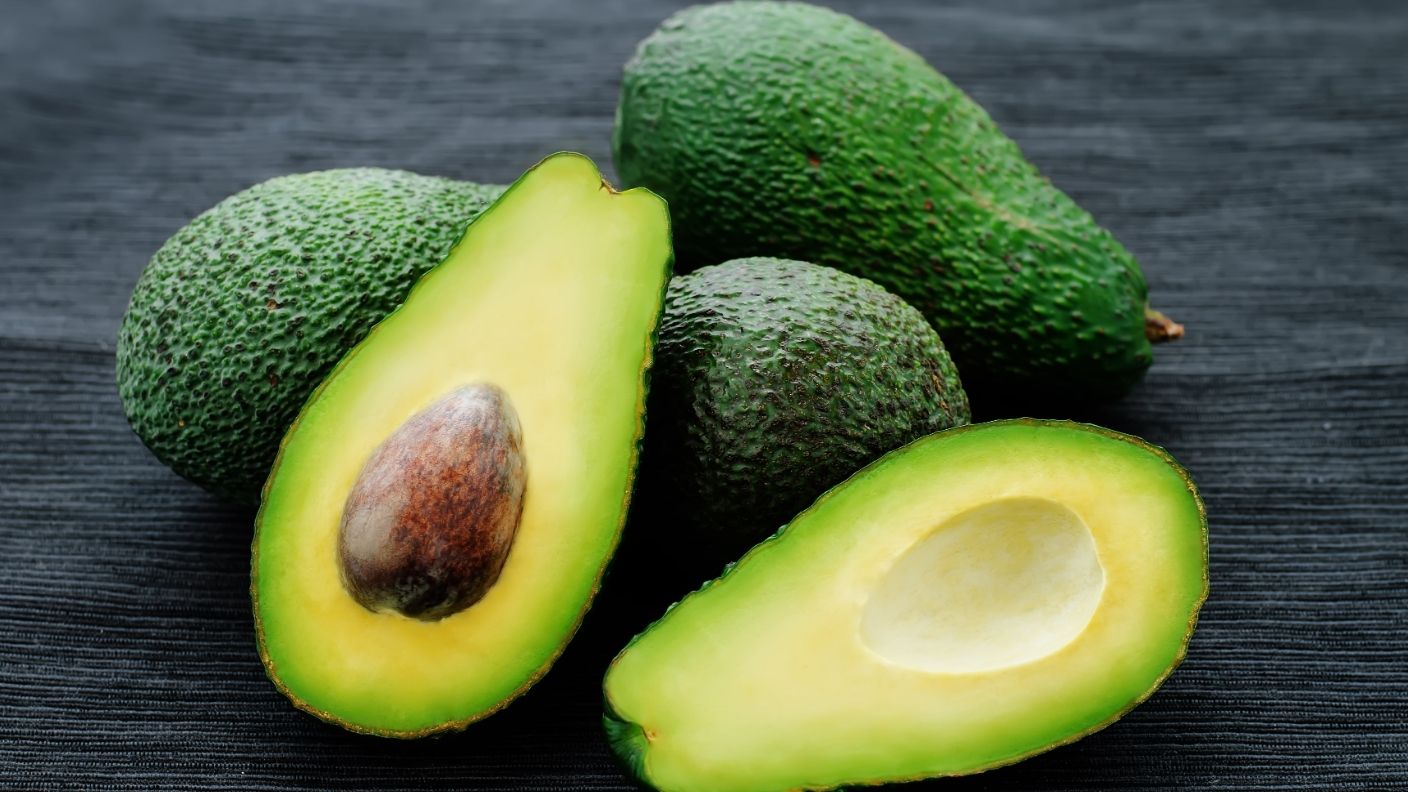

Few foods have picked up a healthier reputation than the avocado. Add in a headline about gut bacteria and it’s easy to imagine a daily avocado completely remaking your digestion.
The research is real and interesting, but it describes measurable shifts, not a dramatic transformation. Here’s what a well-known trial actually found.
The Study Behind the Headlines
The main evidence comes from a 12-week randomized controlled trial of 163 adults with overweight or obesity, led by researchers at the University of Illinois and published in the Journal of Nutrition. It is often called the PATH study.
Participants ate one provided meal a day for 12 weeks.
One group’s meals included avocado, about 140 grams for women and 175 grams for men, which is roughly one avocado. The control group ate similar meals without it, and nobody was asked to restrict calories.
More Diverse Gut Bacteria
Compared with the control group, people eating avocado had greater microbial diversity in their stool samples. Diversity is generally considered a marker of a healthy gut, though no one number defines it.
The avocado group also had more of certain bacteria.
Groups called Faecalibacterium, Lachnospira, and Alistipes were enriched by roughly 26 to 65 percent relative to the controls. These bacteria help break down fiber.
Higher Levels of a Helpful Compound
Fiber-fermenting bacteria produce short-chain fatty acids, which gut cells use for energy and which are linked to gut health. In the trial, fecal acetate, one such compound, was about 18 percent higher in the avocado group.
That fits the idea that avocado fiber feeds beneficial microbes.
An avocado contains roughly 10 grams of fiber, which is a large share of the daily recommendation. Most people fall short on fiber, so adding one can make a real difference.
Changes in Bile Acids and Fat
The avocado group had notably lower levels of certain bile acids. They also excreted slightly more fat, even though they ate slightly more calories, which suggests a little less fat was absorbed.
The authors suggest the lower bile acids may explain this.
Researchers are still working out what these changes mean for health. The finding is interesting, but it shouldn’t be read as a weight-loss effect, since weight wasn’t the trial’s main outcome.
Why “Dramatic” Is the Wrong Word
The changes were statistically meaningful, but they were differences between groups in lab measurements, not symptoms people felt. Nobody can say from this study that a daily avocado will transform digestion, mood, or immunity.
The trial also had limits.
It involved adults with overweight or obesity, so results may not apply to everyone. Diet was partly self-reported, and the study ran for only 12 weeks, so long-term effects remain unknown.
Who Paid for the Research
The study was funded by the Hass Avocado Board, an industry organization, along with the USDA’s National Institute of Food and Agriculture. Industry funding doesn’t invalidate results, but it’s good to know.
Independent replication would strengthen the case.
Until then, the results are best read as promising rather than settled. A single trial, however well designed, doesn’t prove a rule.
What an Avocado Brings to the Plate
Beyond the study, avocados offer fiber, monounsaturated fat, potassium, and other nutrients. These qualities make them a useful part of a gut-friendly diet.
They also help the body absorb some fat-soluble vitamins.
They are calorie-dense, so a whole one daily adds up. Half an avocado is a reasonable serving for many people, and it pairs well with toast, eggs, beans, or salads.
Other Ways to Feed Your Microbiome
No single food runs the gut. A varied diet with beans, lentils, whole grains, vegetables, fruit, nuts, and fermented foods feeds a wider range of microbes than any one ingredient.
Variety matters more than a daily ritual.
People with digestive conditions or sensitivities to certain fibers should introduce new foods gradually. Anyone with persistent symptoms should speak with a doctor rather than relying on one food.
RELATED ARTICLE: Gut Health and Under-Eye Darkness: A Plausible Link, Thinly Supported
