


Here’s What Happens If You Eat Rice Every Day

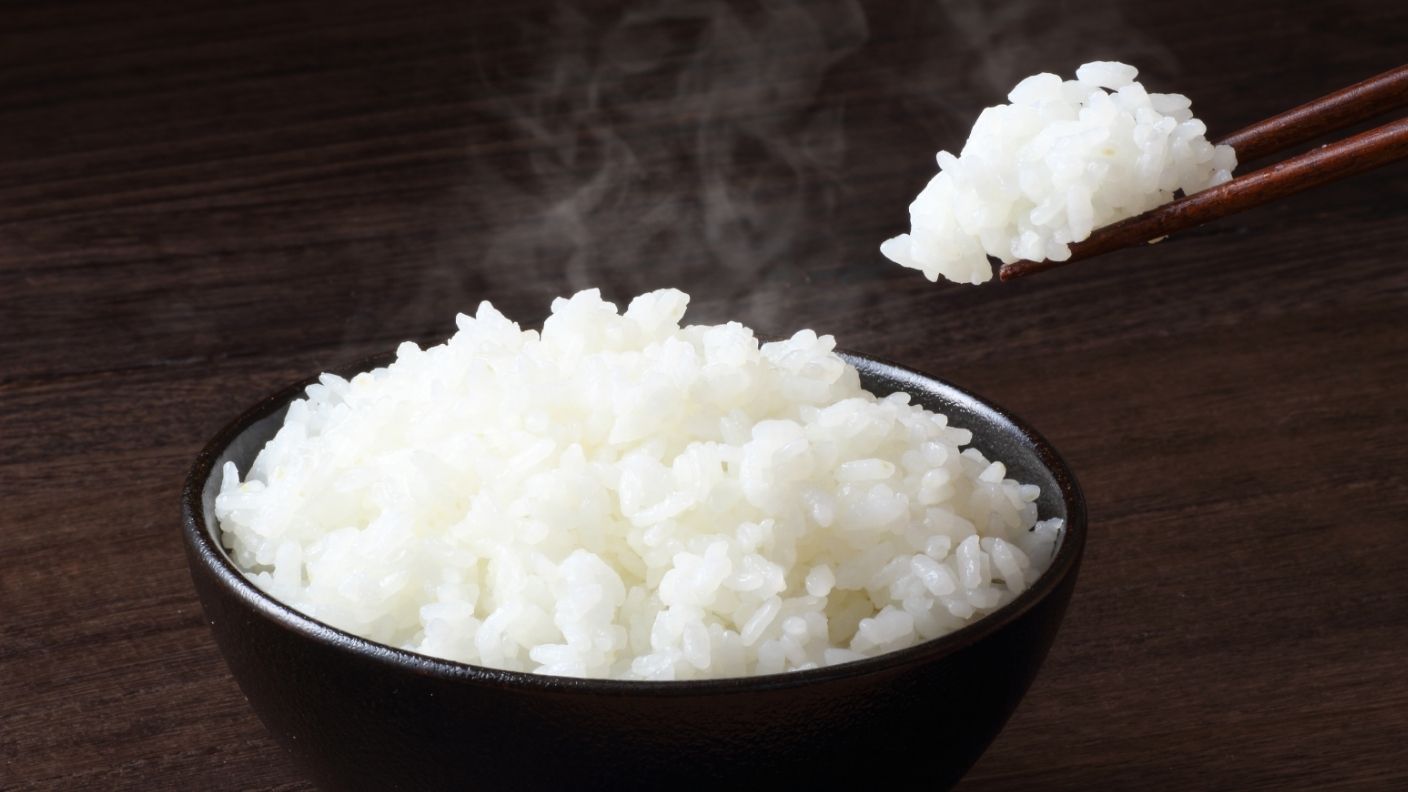

Billions of people around the world eat rice every single day and have done so for thousands of years. But if you have ever wondered what it is actually doing to your body, the answer is more complicated than you might think. Some of it will make you feel great about your dinner bowl, and some of it might genuinely surprise you.
Your Energy Levels Will Shift
Rice is, first and foremost, a carbohydrate machine. White rice is a simple carbohydrate that can lead to a quicker surge of energy, while brown rice, being a complex carbohydrate lower on the glycemic index, gives more sustainable energy without causing blood sugar levels to spike and then crash.
So the type you choose matters more than you think. If you are reaching for white rice every night and wondering why you feel sluggish an hour later, this is likely why.
Your Digestion Might Actually Improve
Here is some genuinely good news. Eating rice every day can support healthy digestion, with brown rice in particular helping with constipation thanks to its higher fiber content, which also helps with feeling fuller for longer.
White rice, on the other hand, is one of the easiest foods for the body to digest, making it especially suitable for people with sensitive stomachs. Both versions have their place, depending on what your gut needs.
Your Blood Sugar Could Be at Risk
This is the part that gets complicated. A large meta-analysis published in The BMJ found that each daily serving of white rice increases the relative risk of type 2 diabetes by about 11%.
White rice has a high glycemic index that can cause significant spikes in blood sugar, and people with diabetes or insulin resistance should be particularly mindful. Swapping in brown rice at least part of the time is one of the simplest changes you can make.
Your Heart Feels the Difference Too
The news here cuts both ways. Brown rice is considered a whole grain, and research consistently shows an association between a diet rich in whole grains and a reduced risk of heart disease.
But white rice tells a different story. Some studies link higher refined grain intake with poorer metabolic health, which may indirectly influence heart disease risk. Rice is naturally cholesterol-free and low in sodium, which helps, but the overall picture still depends on what you are pairing it with.
There Is an Arsenic Issue Nobody Warns You About
This one tends to catch people off guard. Rice can accumulate arsenic from the soil in which it is grown, and inorganic arsenic is a known carcinogen, with prolonged exposure linked to skin lesions, cardiovascular diseases, and gastrointestinal disorders.
The good news is that rinsing rice before cooking and using a higher water-to-rice ratio can reduce inorganic arsenic content by up to 45%. It is also worth rotating in other grains a few times a week to reduce cumulative exposure.
The Verdict Is More Balanced Than You Think
Dietitians are not telling you to throw out the rice cooker. Eating rice every day can be healthy, as long as you are meeting your nutritional needs through other foods and keeping an eye on portion sizes.
The real trick, as it turns out, is not whether you eat rice every day but how. Pair it with vegetables, proteins, and fiber, rinse it before cooking, and maybe swap white for brown more often than not. The bowl is not the enemy. What goes in it, and how much, is what matters.
RELATED ARTICLE: Here’s What Happens If You Eat Oatmeal Every Morning
