


Here’s What Happens If You Eat Peanut Butter Every Day

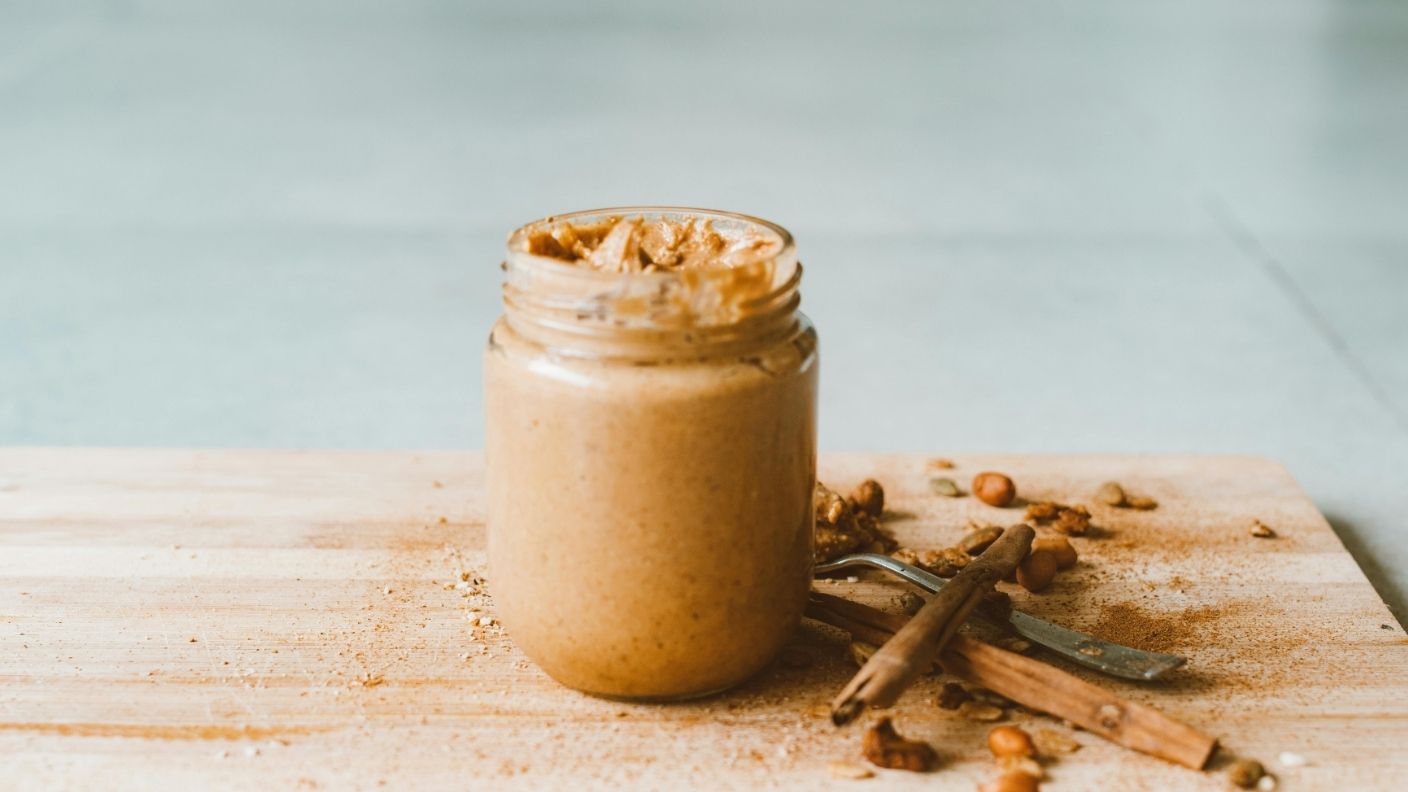

Peanut butter shows up in almost every American pantry, spread on toast, stirred into oatmeal, eaten straight off a spoon at midnight. Few people ever stop to ask what happens when that habit becomes a genuine daily ritual.
Nutrition researchers have actually studied this question directly, tracking what regular peanut butter eaters experience over time. The results split fairly evenly between good news and a few things worth watching.
None of it is as simple as calling peanut butter purely healthy or purely indulgent. Here is what actually happens to the body when peanut butter becomes a daily habit.
The Nutrients Doing The Heavy Lifting
A standard serving of peanut butter delivers a solid mix of protein, fiber and heart healthy fats in one scoop. Registered dietitian Caroline Young told Parade she eats it daily herself, “because it is delicious and rich in essential nutrients.”
That nutrient density is part of why it shows up so often in breakfast bowls and post workout snacks. It also contains vitamin E and manganese, both of which help the body fight off everyday cellular damage.
Most of the fat in peanut butter falls into the monounsaturated and polyunsaturated categories rather than the saturated kind linked to heart problems. That distinction matters more than the total fat number most people fixate on.
What The Research Says About Your Heart
One widely cited study found that people who ate peanuts regularly saw their risk of dying from any cause drop by as much as 21 percent. Heart disease risk specifically dropped by nearly 38 percent in the same research.
The mechanism largely comes down to oleic acid, a fat that helps regulate cholesterol, blood pressure and blood sugar all at once. Swapping peanut butter in for less healthy fats appears to be where most of that benefit comes from.
None of this means more is automatically better, since the calories add up fast either way. The benefit shows up specifically when peanut butter replaces less healthy options, not when it gets piled on top of everything else.
How Much Is Actually Too Much
Most nutrition guidance settles on roughly two tablespoons a day as a reasonable daily amount. That works out to around 32 grams, enough to get the benefits without piling on excess calories.
The label matters just as much as the portion size. Plain peanut butter without added sugar, trans fat or extra oils delivers the most benefit for the least nutritional baggage.
People with peanut allergies obviously need to skip it entirely, and that caution extends to anyone frequently around someone with a serious allergy. For everyone else, a daily spoonful appears to be a genuinely reasonable habit rather than a risk.
Eating peanut butter every day is not the health hack some corners of the internet make it sound like, but it is not something to fear either. In moderate, plain form, it earns its spot as a genuine pantry staple rather than a daily indulgence.
RELATED ARTICLE: Here’s What Happens If You Eat Dark Chocolate Every Day
