


Here’s What Happens If You Eat Fast Food Every Day

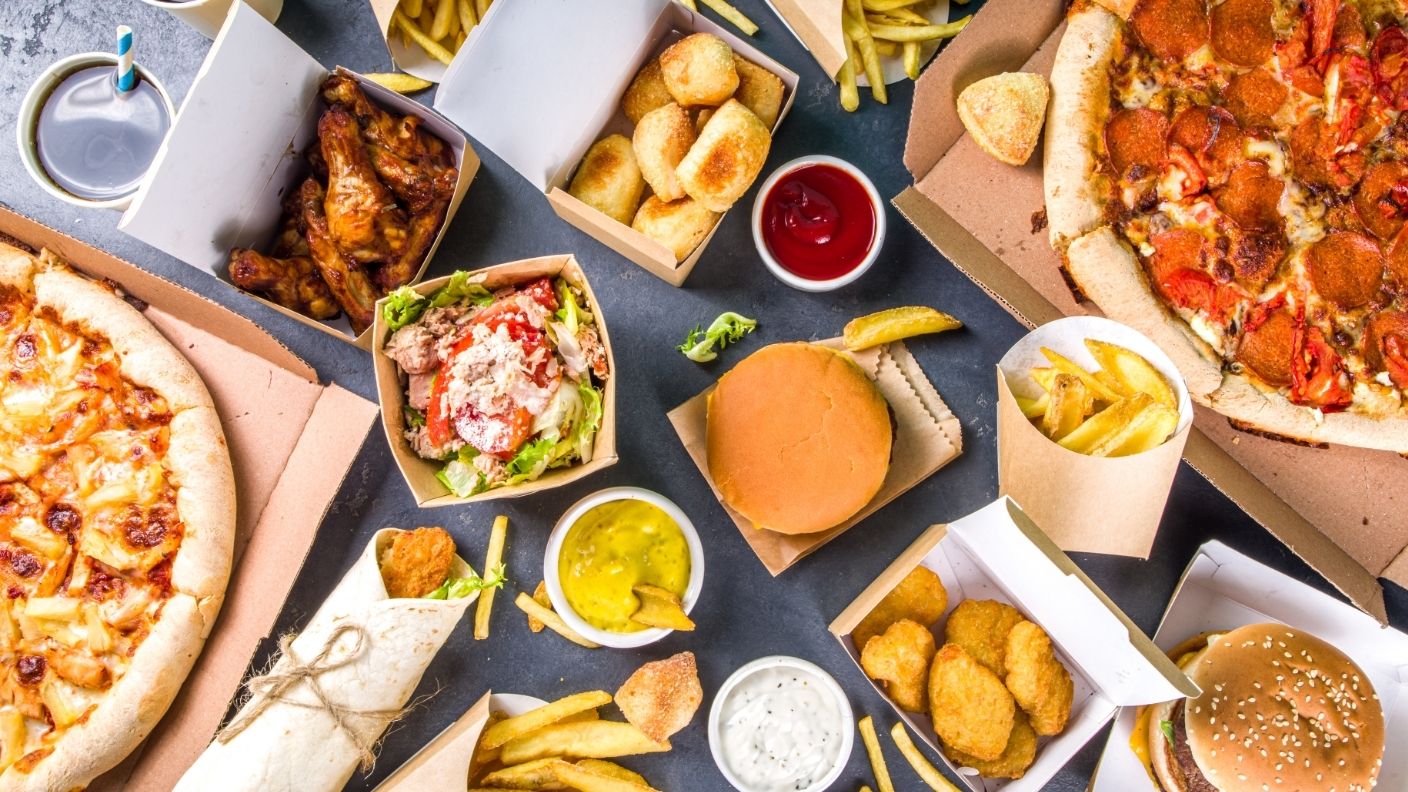

Drive-thru lines exist for a reason, and most of us have leaned on one during a chaotic week. But what actually happens if that quick stop turns into a daily habit?
Turns out your body keeps a pretty detailed record of every burger and fry run. Here’s what that record starts to look like.
The First Few Hours Feel Off
A typical fast food order is loaded with sodium, sometimes more than your entire daily limit in a single meal. That sends water retention up almost immediately, which is why you feel puffier and heavier within hours of eating.
Then comes the energy dip. The sugar and refined carbs spike blood sugar fast, and the crash that follows often leaves you reaching for a nap or another coffee.
Your Gut Notices Fast
Fast food is famously short on fiber, the stuff that keeps your gut bacteria happy and your appetite in check. Without it, hunger signals get harder to read, so you end up eating more overall.
Daily fast food also makes it nearly impossible to hit your recommended fruit and vegetable intake. Skip that long enough and the gaps start showing up elsewhere, from digestion to immunity.
The Skin Sometimes Joins the Conversation
A diet heavy in sugar and processed carbs can trigger insulin spikes that ramp up oil production in the skin. That combination is linked to clogged pores and breakouts in people who eat this way regularly.
It’s not an instant reaction, more of a slow buildup. One burger won’t do it, but months of daily ones might.
Inflammation Builds Quietly in the Background
Fast food tends to raise LDL cholesterol while lowering the HDL kind your heart actually wants more of. Over time that combination, paired with chronically high sodium, pushes blood pressure and heart disease risk upward.
Research has also tied frequent fast food intake to higher levels of inflammation throughout the body. That inflammation is connected to a long list of chronic conditions well beyond just weight gain.
Even Mood Can Take a Hit
It sounds dramatic, but diet and mental health are more linked than people expect. Studies have found people who eat lots of fast food and processed pastries face a meaningfully higher risk of depression than those who don’t.
Blood sugar crashes don’t help either, since they tend to bring irritability and fatigue right along with them. It becomes a cycle that’s hard to feel good inside of.
A Realistic Way Back
None of this means fast food is forbidden forever, since dietitians generally agree that occasional meals aren’t the problem. The real shift happens when daily becomes the default instead of the exception.
Small swaps help more than people expect, skipping the soda, choosing grilled over fried, or just adding a side salad. Your body clearly keeps score, but it’s also pretty forgiving once you start paying attention again.
RELATED ARTICLE: LeBron James Has Never Eaten Fast Food During the Season — Here’s What He Eats Instead
