


Here’s What Happens If You Eat Blueberries Every Day

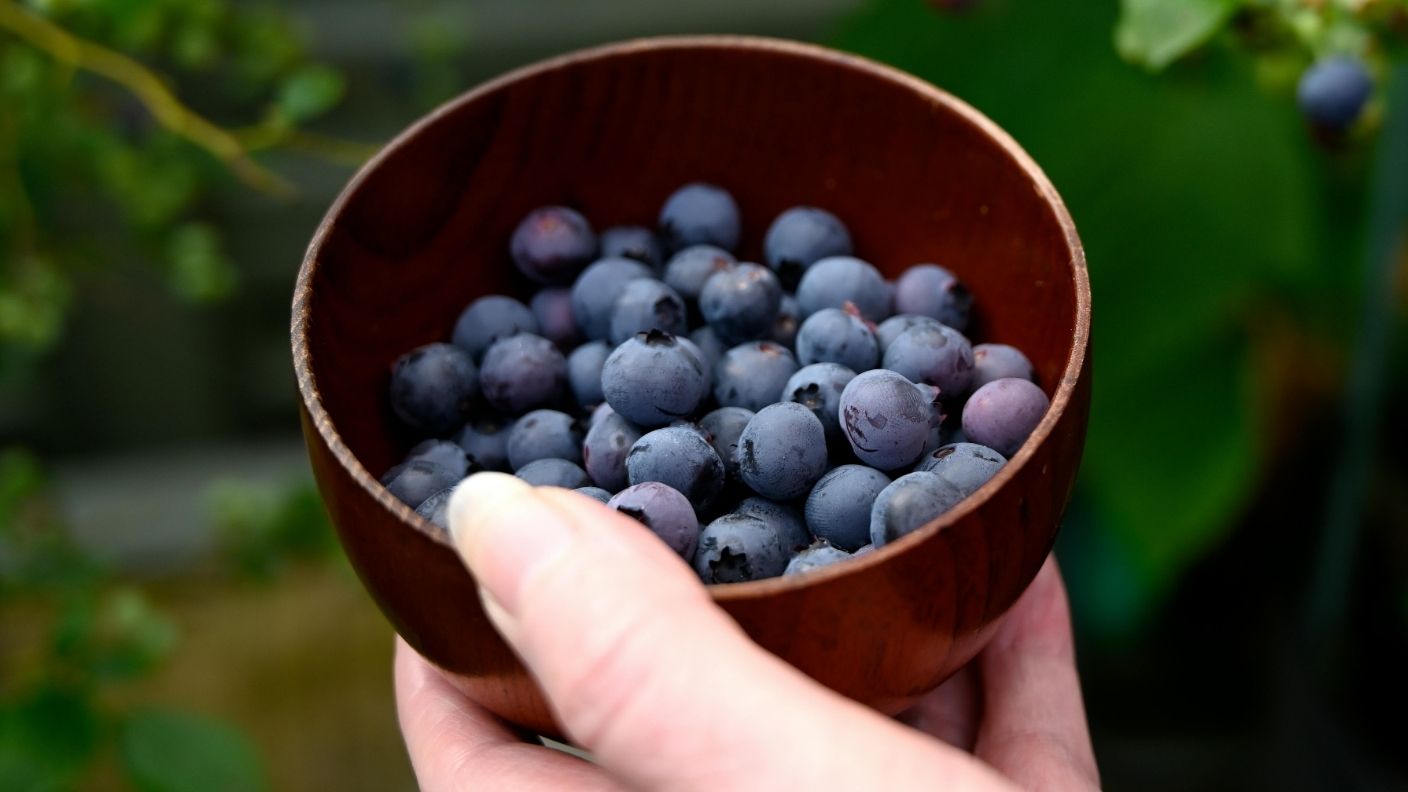

They are small enough to eat by the handful, cheap enough to buy frozen in bulk, and so unremarkable-looking that most people have never stopped to think about what they are actually doing inside the body.
But the research on blueberries is quietly stacking up into something remarkable, and scientists who study longevity, heart health, and brain function keep arriving at the same conclusion.
The humble blueberry might be the most useful fruit you are not taking seriously enough.
Your Brain Gets a Real Boost
This is the one that tends to surprise people. A 2023 study found that consuming the equivalent of about one cup of fresh blueberries daily could help maintain brain function and improve memory in older adults.
The mechanism behind it is anthocyanins, the blue pigments that give blueberries their color and make up most of their antioxidant power. A randomized trial found that participants who consumed blueberry powder daily for twelve weeks showed improved executive function, stronger short-term memory, and faster reaction times compared to those taking a placebo.
They were better at recalling word lists and performed better at attention-switching tasks.
The researchers believe the anthocyanins cross the blood-brain barrier and act directly on brain tissue. For something you can throw into your morning yogurt, that is a remarkable return.
Your Heart Quietly Thanks You
A 2024 review found that eating blueberries every day for a month could significantly improve blood flow and blood vessel dilation. That is not a small finding. Poor blood vessel function is one of the earliest and most reliable predictors of cardiovascular problems down the line.
A separate clinical trial at Colorado State University found a 3.59 mmHg reduction in systolic blood pressure among blueberry consumers over twelve weeks.
Research shows that eating one cup of blueberries daily can also improve good cholesterol levels and reduce bad cholesterol levels, with antioxidants preventing cholesterol from oxidizing and forming arterial blockages.
The overall cardiovascular risk reduction from regular blueberry consumption sits between 12 and 15 percent in people with metabolic syndrome, which is a significant number from a piece of fruit.
Your Gut Microbiome Changes
This one took researchers by surprise. Six weeks of consuming a wild blueberry drink promoted measurable growth of Bifidobacteria in the human gut, the kind of beneficial bacteria associated with improved digestion, stronger immunity, and better hormone balance.
A sweeping scientific review published in 2026 found that blueberries’ unique mix of polyphenols and fiber appears to support gut health with benefits that can kick in within hours and continue building over weeks.
The fiber in blueberries feeds the good bacteria already living in the digestive system, and the polyphenols act as a kind of prebiotic that the gut microbiome converts into useful compounds.
Short-term blueberry supplementation has also been linked to improvements in glucose control and insulin levels in sedentary subjects, which suggests the gut changes are doing real metabolic work.
Your Skin Starts to Shift
The skin benefits of daily blueberry consumption tend to fly under the radar, but dermatologists have been paying attention.
Anthocyanins stimulate collagen synthesis, and studies on skin samples found that applying anthocyanin from berries reduced collagen breakdown and increased overall collagen production.
Eating them delivers results too. Blueberries are rich in vitamin C, providing around 16 to 19 percent of daily needs per cup, and vitamin C is one of the most important nutrients for collagen production.
As the body produces less collagen naturally with age, the daily blueberry habit becomes a relatively effortless way to slow that decline.
Research also shows that blueberry antioxidants help lower skin inflammation, protect the skin barrier, and can reduce collagen breakdown caused by sun exposure. One dermatologist described eating blueberries daily as the single best dietary strategy for combating the free radicals responsible for skin aging.
Your Blood Sugar Stabilizes
The fiber content in blueberries slows the absorption of sugar into the bloodstream, which means the spike and crash cycle that follows sugary foods does not happen in the same way. Blueberries have also been found to improve insulin sensitivity, particularly in people who are obese or insulin-resistant.
This matters most for the 3 p.m. energy slump that most people accept as an unavoidable part of the day. A diet that includes foods with a lower glycemic impact, like blueberries, tends to produce steadier energy levels throughout the afternoon without the kind of sugar-driven crash that sends people straight to the coffee machine.
One cup a day. That is genuinely all the research keeps pointing toward. At around 85 calories and with no real downside, it may be the easiest upgrade a person can make to their daily routine, and the evidence behind it is anything but small.
RELATED ARTICLE: Fresh Fruit vs Frozen Fruit for Nutrition: Which Is Healthier?
