


He Gave Up Ultra-Processed Foods for 14 Days — Here’s the First Thing He Noticed

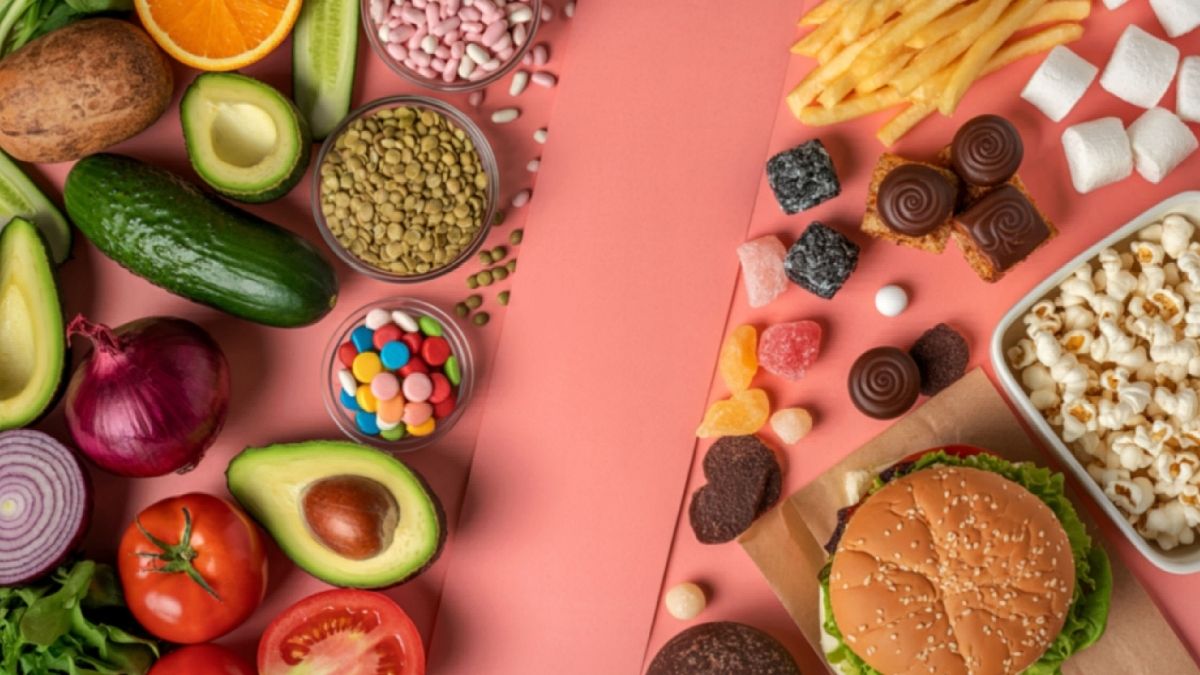

Most people who try this kind of reset brace themselves for cravings, fatigue, and a week of grinding misery. They expect to be hungry constantly, watching the clock until the experiment is finally over.
What actually happened first caught him completely off guard. And the science explains exactly why.
The Surprise That Came First
It was not more energy. It was not clearer skin or better sleep, though both came later. The very first thing he noticed was that he had stopped being hungry all the time.
That constant background hum of craving, the restless pull toward the kitchen between meals, the feeling of never quite being satisfied, it simply faded. And that shift turns out to be exactly what the science predicts.
Why Ultra-Processed Foods Keep You Hungry
In a landmark NIH study published in Cell Metabolism, adults were given either an ultra-processed or an unprocessed diet for two weeks each, with both options tasting equally good and offered in the same quantities. On the ultra-processed diet, participants consistently ate far more and reported being no more satisfied.
The explanation is by design. Ultra-processed foods combine refined fat, sugar, and salt in ratios that override the body’s natural fullness signals, training the brain to keep reaching for more regardless of how much has already been eaten.
The Rough First Few Days
Before that hunger shift arrived, the earliest days were not easy. Most people report irritability, fatigue, and powerful cravings during the first four to six days, as the brain slowly recalibrates away from the dopamine surges that ultra-processed foods reliably deliver.
Knowing that the discomfort is neurological, not a sign of genuine nutritional need, is what made it possible to push through.
What the Research Shows About Day Fourteen
A Stanford review of 45 separate meta-analyses found that regular ultra-processed food consumption is linked to significantly higher rates of sleep disruption, depression, and inflammation, among dozens of other outcomes.
When a University of Michigan family removed ultra-processed foods from their diet entirely, the changes in appetite, mood, and energy were described as dramatic and almost immediate, with hunger becoming a cleaner, more honest signal rather than a constant background demand.
By day fourteen, sleep had deepened, mental clarity had returned, and eating had shifted from something driven by craving to something driven by actual hunger.
The most striking discovery from two weeks without ultra-processed foods was not about deprivation. It was about finally being able to hear what the body was actually asking for, possibly for the first time in years.
RELATED ARTICLE: The Surprising Food Linked to Better Skin After 40
