


Edible Sunscreen For Colder Days? The Orange Vegetables That Block UV Skin Damage from Within

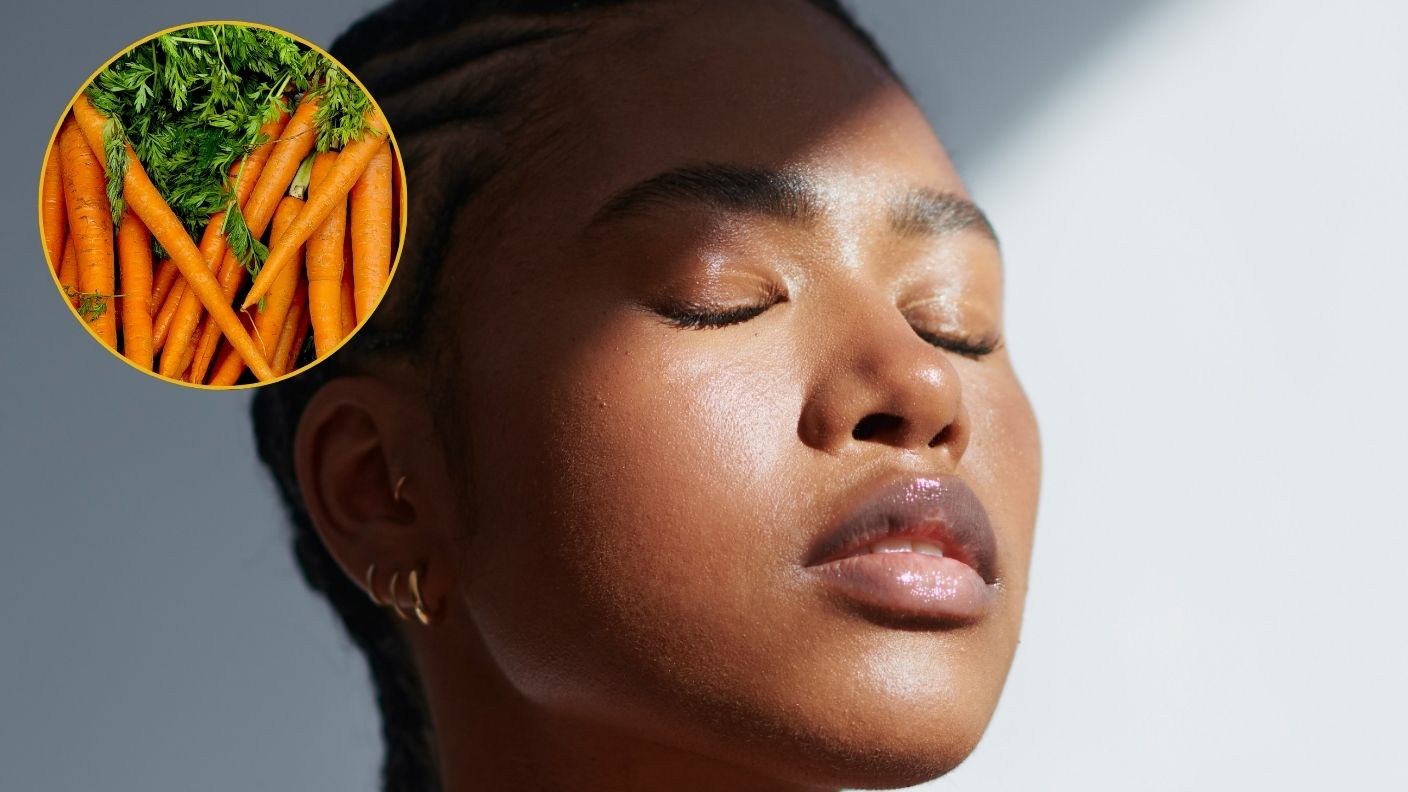

No cream in a jar works from the inside out, but something on the plate might come close. Dermatologists have spent years studying whether certain foods change how skin responds to sun exposure, and the answer isn’t a supplement bottle.
It turns out the effect has been sitting in the produce aisle, in vegetables most people already eat without thinking about their color.
Carrots for a Baseline Layer of Defense
Carrots carry more concentrated carotene than almost any other food, especially once they’re dried or cooked down. A review of dietary antioxidant studies found that beta-carotene supplementation had a measurable protective effect against sunburn.
The catch is patience. That same review found the protection only showed up in trials running longer than ten weeks, so a single carrot before beach day won’t do much on its own.
Sweet Potatoes for Long-Term Buildup
Sweet potatoes work on the same principle as carrots, delivering a steady dose of beta-carotene that accumulates in skin tissue over weeks. That gradual buildup is what researchers believe drives the protective effect, rather than any single serving.
Roasting or mashing them doesn’t reduce the benefit, since carotenoids hold up well under heat. A half-cup a few times a week is a realistic way to keep levels steady.
Pumpkin and Squash for Steady Absorption
Pumpkin and winter squash round out the carotenoid-rich vegetables researchers point to most often. Their orange color is a direct marker of how much beta-carotene they’re carrying.
Because these vegetables are usually cooked in soups or roasted with oil already, they tend to get an accidental boost in absorption. That detail turns out to matter more than it sounds.
Why a Little Fat Changes Everything
Carotenoids are fat-soluble, meaning they pass through the gut more efficiently when eaten alongside some form of fat. A drizzle of olive oil on roasted squash or a spoonful of nut butter with carrot sticks isn’t just flavor, it’s absorption.
Skipping that step doesn’t cancel the benefit entirely, but it does blunt it. Roasting vegetables in oil instead of steaming them plain closes most of that gap.
RELATED ARTICLE: 7 Drinks That Could Help Support Glowing Skin From the Inside Out
