


Doctors Say This Is the #1 Longevity Food After 50

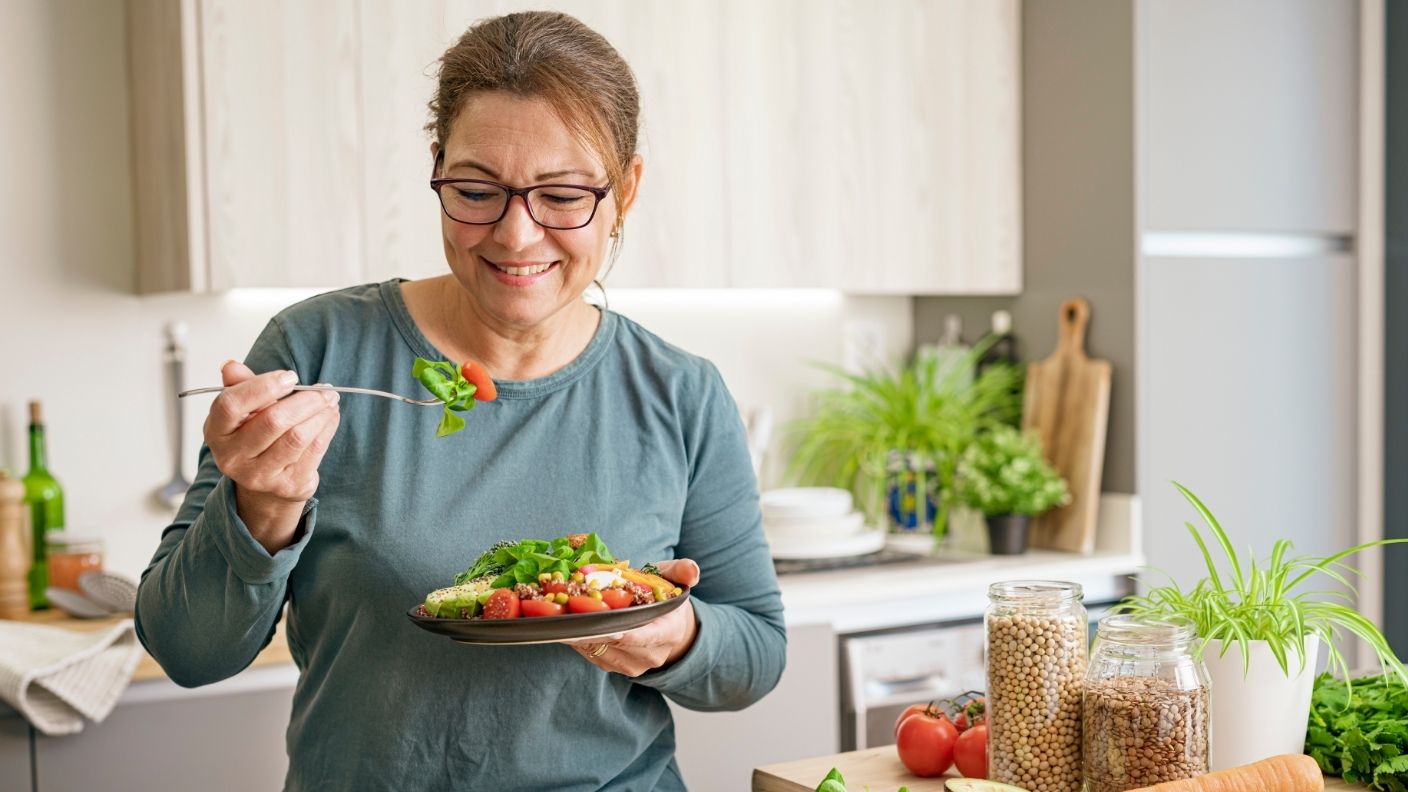

It does not come in a sleek supplement bottle or cost a fortune at a wellness boutique. It has been sitting in your pantry for years, probably pushed to the back of a shelf behind everything else. And according to longevity researchers and doctors, it might be the single most powerful thing you can add to your plate right now.
The Humble Food With a Big Secret
The answer is beans. Yes, really. Dan Buettner, the researcher behind the famous Blue Zones project, has spent decades studying the communities where people routinely live past 100, and he calls beans the cornerstone of every single one of their diets.
Buettner points out that eating just one cup of cooked beans daily is linked to roughly four extra years of life expectancy. That is not a small claim for something that costs less than a dollar a serving.
What Science Actually Says
This is not just one expert’s opinion. A massive study published in Nature Medicine tracked the diets and health outcomes of more than 105,000 people over 30 years. Higher legume intake was consistently linked to greater odds of reaching old age free from chronic disease, with strong mental and physical health intact.
A separate international study found that legume intake was the single strongest dietary predictor of survival in older adults, outperforming vegetables, fruits, and grains. Even just 20 grams a day, about two tablespoons, was associated with an 8% lower risk of early death.
Why Beans Do What Other Foods Cannot
The magic comes down to what beans pack into a single serving. They deliver plant protein, soluble fiber, antioxidants, B vitamins, iron, magnesium, and potassium all at once.
The fiber alone is a standout. Beans feed beneficial gut bacteria through resistant starch and prebiotic compounds, which in turn lowers inflammation, supports the immune system, and helps stabilize blood sugar. All of this matters more, not less, as the body changes with age.
Every Blue Zone Agrees
What makes the bean story so striking is the consistency across wildly different cultures. Black beans in Nicoya, Costa Rica. Soybeans and tofu in Okinawa, Japan. Chickpeas and fava beans in Sardinia, Italy. Lentils and black-eyed peas in Ikaria, Greece. The foods and recipes differ entirely, but the legume shows up every single time.
Researchers note that these communities share almost no other dietary habits in common, which makes the bean connection impossible to ignore.
The Easiest Way to Start
Adding beans does not require a recipe overhaul. Stir black beans into scrambled eggs, toss chickpeas into a salad, or blend white beans into soup for extra creaminess and staying power.
For anyone worried about digestive discomfort, nutrition experts recommend starting gradually and giving the gut a few weeks to adjust. It tends to sort itself out quickly once beans become a regular part of the routine.
The simplest longevity upgrade might not be a new workout plan or an expensive supplement. It might just be a bowl of something your grandmother always kept on the stove.
RELATED ARTICLE: #1 Breakfast Food Americans Over 50 Should Eat More Often
