


Do Men Really Need More Protein Than Women, Or Is That Marketing?


Walk down the supplement aisle and the message is hard to miss. Tubs with bold fonts and flexed arms are aimed at men, while the pastel ones for women promise “toning” instead of strength.
The framing suggests men and women follow different protein rules. The science says the picture is much closer, and the differences that do exist are more about body size than gender.
The Short Answer
Per kilogram of body weight, men and women have the same baseline recommendation. The Recommended Dietary Allowance is 0.8 grams of protein per kilogram a day for healthy adults, regardless of sex.
Men often end up eating more in total grams.
The reason is simple. On average, men are larger and carry more lean muscle, so the same per-kilogram number adds up to a bigger daily total.
How the Numbers Work
A woman who weighs 65 kilograms would need about 52 grams a day at the baseline recommendation. A man who weighs 85 kilograms would need about 68 grams.
The formula is identical. Only the body weight changes.
Two people of different sexes with the same weight and activity level have similar needs. A small man needs less than a large woman, and the sex label tells you little by itself.
Why the Baseline Is a Floor
The RDA is set to prevent deficiency in most healthy people, not to support peak performance, muscle gain, or recovery. It describes the minimum, not the ideal.
Many dietitians suggest aiming higher for active people.
For adults who exercise regularly, sports nutrition groups commonly point to a range of roughly 1.2 to 2.0 grams per kilogram. That range applies to both men and women.
Where Men and Women Do Differ
Some life stages change the picture for women. During the second and third trimesters of pregnancy, the recommendation rises by about 25 grams a day, and needs are also higher during breastfeeding.
Menopause is another turning point.
Muscle and bone loss speed up, and some experts suggest around 1.0 to 1.2 grams per kilogram to help preserve them. That is above the baseline, and it applies to women specifically.
What About the Menstrual Cycle?
Some experts have suggested that needs may rise slightly in certain phases of the cycle. One expert said a 5 to 10 percent increase may theoretically be reasonable, but there is no formal recommendation.
This is an area where research is still developing.
Most foundational sports nutrition studies were done mainly on men, so findings for women are still emerging. It’s an argument for better research, not for different products.
Is Protein Marketing Doing Anything Useful?
Marketing can exaggerate differences to sell products. Powders for women may emphasize weight loss or toning, while those for men emphasize bulk, so it’s worth comparing the nutrition labels yourself.
The protein itself doesn’t care who eats it.
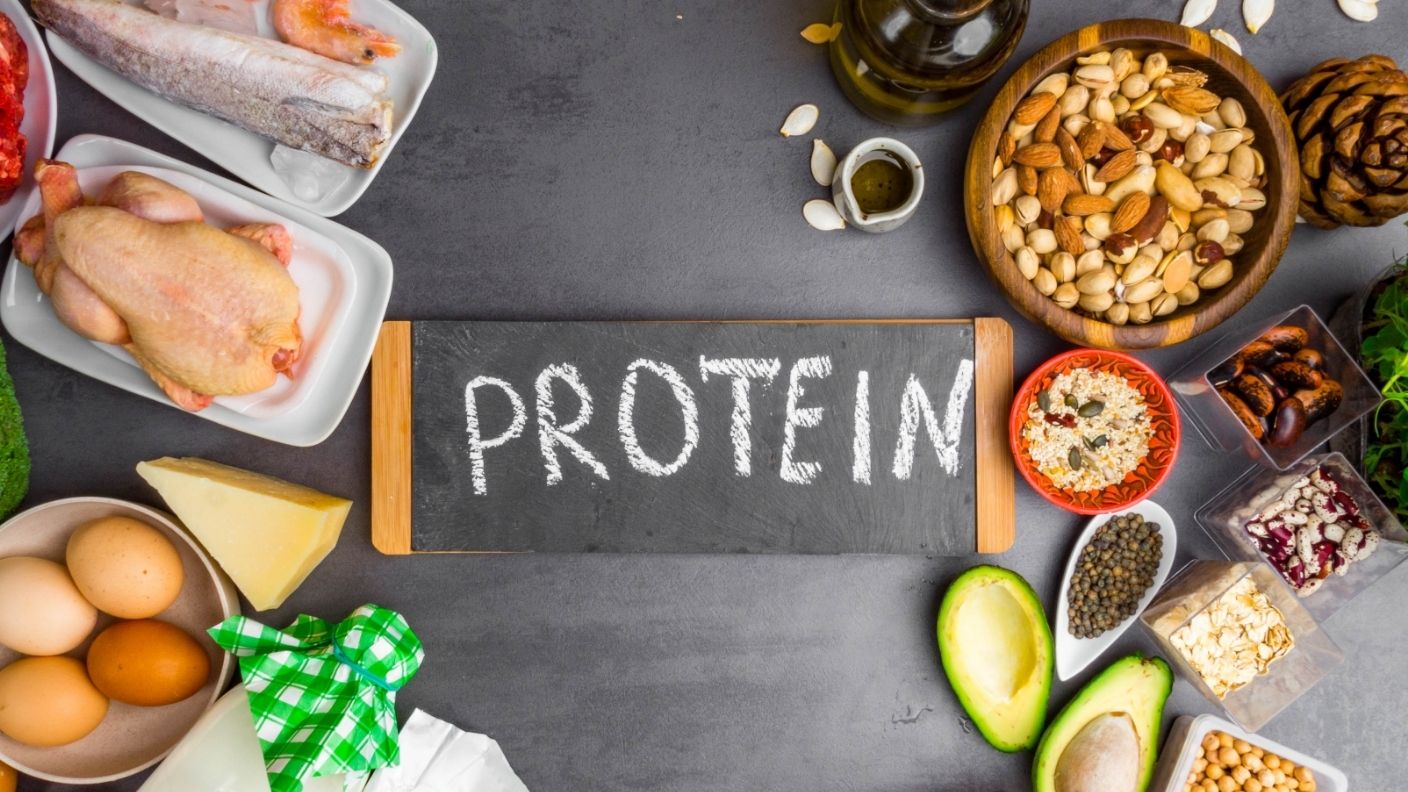
Both groups can get everything they need from regular food, including eggs, dairy, fish, poultry, beans, lentils, tofu, and nuts. Powders are a convenience, not a requirement.
Common Myths
One myth is that protein makes women bulky. Building large muscles takes years of heavy training and enough calories, and it doesn’t happen by accident from eating protein.
Another is that protein harms the kidneys.
For healthy people with normal kidney function, adequate protein is considered safe. Anyone with kidney disease should follow medical advice about intake.
How Much to Aim For
Start with your body weight in kilograms. Multiply by 0.8 for the baseline, or by 1.2 to 1.6 if you’re moderately active. Heavy training may call for more.
Spread protein across meals instead of eating it all at dinner.
A serving of roughly 25 to 40 grams at main meals is a common suggestion. A doctor or registered dietitian can fine-tune the number for medical conditions or special goals.
The Takeaway
Men don’t need more protein per kilogram than women. They tend to eat more grams because they usually weigh more and carry more muscle, and some women have higher needs at particular life stages.
Most people benefit from checking their own intake, not from reading the label’s gender.
Choose the product or food that fits your needs, budget, and taste. Protein is the same nutrient whichever tub it comes in.
RELATED ARTICLE: 7 Foods That Are Packed With More Protein Than You Might Expect
