


Discover Typhoon Roasters as a Smarter Alternative to Drum Roasters

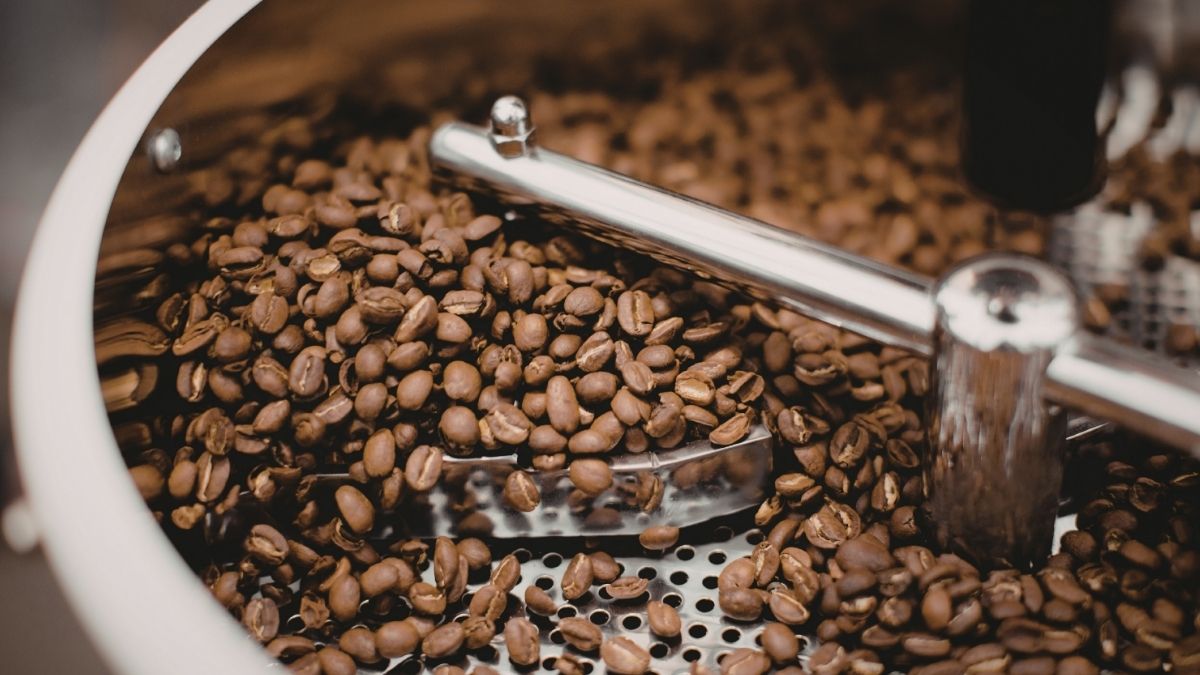

Utilizing air roasting technology significantly enhances the process of coffee production, providing a more uniform and consistent roast. This method allows for precise temperature control, which is crucial in unlocking the intricate flavors inherent in high-quality beans. By facilitating an even roasting environment, this approach minimizes the risk of over-roasting, often a concern with traditional methods.
Another compelling advantage lies in the speed of the process. Air roasting typically requires less time to achieve the desired roast level, resulting in fresher flavor profiles. The rapid heating method also helps maintain the natural oils and aromatic compounds, leading to a superior tasting experience. Additionally, the reduced roasting time contributes to energy efficiency, making this technique more environmentally friendly.
Furthermore, these machines operate with less mechanical complexity. This translates into reduced maintenance costs, which is beneficial for both small-scale and larger operations. Operators can benefit from simplified troubleshooting and downtime, ensuring that coffee production remains consistently high without frequent interruptions.
Understanding the Technology Behind Typhoon Roasters
For optimal roasting, consider utilizing a system that incorporates advanced air circulation technology, such as Typhoon Roasters. This method ensures that heat is distributed uniformly, preventing uneven roasting and enabling better flavor development.
Airflow Mechanism
The core of this innovative equipment lies in its unique airflow system. Instead of relying solely on conductive heat, it employs a combination of radiant and convective heat transfer. This translates to a more controlled roasting environment, leading to consistent results batch after batch.
Temperature Control
Precision is paramount in coffee roasting. The machinery typically features advanced temperature sensors that monitor the internal environment continuously. Users can set specific temperature profiles, allowing for customization based on bean type and desired flavor notes.
- Secure heating elements for rapid adjustments.
- Real-time feedback on bean temperature for precise control.
This technological framework not only enhances the roasting process but also minimizes the risk of over-roasting, which can lead to undesirable flavor characteristics. The ability to fine-tune settings is crucial for commercial operations aiming for high-quality output.
In addition, the build quality of these machines significantly contributes to their performance. Robust materials withstand the high temperatures and demanding environments commonly found in roasting facilities. Regular maintenance and occasional calibration will further ensure longevity and efficiency.
Benefits of Consistent Heat Distribution in Coffee Roasting
Uniform heat distribution during the roasting process guarantees an even development of flavors, preventing the occurrence of undercooked or burnt beans. Roasters that maintain stable temperatures promote a balanced result, allowing each coffee batch to shine in terms of aroma and taste. Data indicates that consistency can enhance the flavor profile significantly, with a noticeable increase in sweetness and complexity when proper temperature management is observed.
Impact on Quality Control
With precise control of thermal gradients, quality assurance becomes more streamlined. Variability in temperature can lead to disparate outcomes, complicating the scalability of production. Roasting systems that offer consistent heat make it easier to replicate successful batches, enhancing predictability and reducing waste. This reliability is particularly advantageous for those looking to establish a reputable brand with loyal customers who appreciate the nuances of quality coffee.
Cost Analysis: Long-term Savings with Typhoon Roasters
Investing in advanced coffee processing machines can lead to significant long-term savings. Precision equipment minimizes energy consumption, leading to reduced operational costs over time. While the initial purchase price may seem higher than conventional options, the reduction in energy use translates to lower bills, making it a financially sound decision for businesses.
Maintenance and Longevity
Lower maintenance requirements are another benefit of these modern machines. Traditional setups often necessitate frequent repairs and part replacements. Conversely, more innovative devices are constructed with durability in mind, which can extend their lifespan considerably, further contributing to cost-effectiveness when analyzing total ownership expenses.
Replacement parts for older designs can be costly, often leading to unexpected expenses over a machine’s lifetime. By opting for a more innovative design, users can avoid frequent breakdowns and associated costs, translating to savings that can be redirected toward other business investments.
Labor Efficiency
Labor costs also play a pivotal role in the financial equation. Advanced models can automate various processes, requiring fewer personnel to operate. This leads to reduced wage expenses, allowing for reinvestment in other areas of the business. Enhanced ergonomics can further boost productivity, as employees spend less time managing machinery and more time focusing on quality control.
Environmental Impact: Energy Consumption Compared to Drum Roasters
When assessing energy consumption, modern machines exhibit a substantial reduction in electricity use compared to traditional equipment. These advanced systems often consume up to 30% less energy, primarily due to their innovative design and operational efficiencies. This reduction directly translates to lower carbon footprints associated with energy production.
Operational Efficiency
The alternative roasters typically operate at higher thermal efficiencies. This means they require less energy to achieve desired temperatures essential for roasting. By reaching target heat levels faster, energy usage is minimized throughout the roasting process, allowing for more environmentally friendly production methods.
Moreover, these innovative systems often incorporate advanced insulation and heat recovery technologies. These features enable the machines to retain heat longer and use it more effectively, drastically cutting down energy waste. The impact of these energy-saving features can lead to significant reductions in overall operational costs.
Reduced Emissions
Lower energy consumption is closely linked to reduced emissions. As sophisticated models utilize less energy, they contribute to a decrease in greenhouse gases released during the power generation phase. This lowers the environmental impact not just during the roasting phase but also across the entire supply chain.
Regular maintenance also contributes to energy efficiency. Ensuring that the equipment is clean and operating smoothly can reveal further opportunities for energy savings. Routine checks can help identify any inefficiencies, allowing operators to make adjustments before energy waste becomes significant.
Transitioning to these modern roasting apparatuses also provides an opportunity for businesses to enhance their sustainability credentials. As consumer awareness regarding environmental impacts grows, companies adopting energy-efficient technologies may attract a more eco-conscious clientele.
