


Dark Chocolate vs Berries: Which One Packs More Antioxidant Power

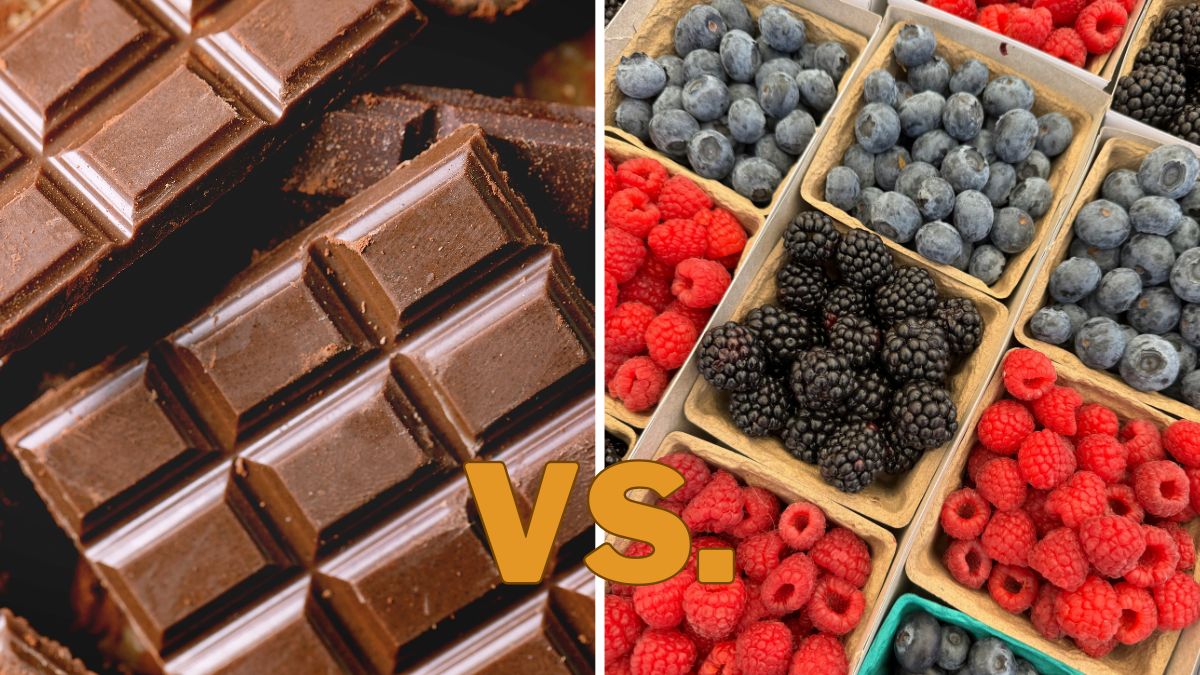

It sounds like a trick question. A square of dark chocolate sitting next to a bowl of blueberries, and you are supposed to pick the healthier one. The answer is genuinely surprising, a little delightful, and complicated enough that both sides of this debate have real science behind them.
Here is what actually happens when you put these two antioxidant heavyweights head to head.
What Antioxidants Actually Do
Before picking a winner, it helps to understand what you are actually measuring. Antioxidants fight free radicals, unstable molecules that cause oxidative stress in the body, which scientists link to cancer, heart disease, diabetes, and accelerated aging.
The more antioxidant capacity a food has, the harder it works to neutralize that damage. And this is where things get interesting for both dark chocolate and berries.
Dark Chocolate’s Surprising Edge
Here is the plot twist most people do not see coming. A study published in Chemistry Central Journal found that cocoa powder and dark chocolate had more antioxidant activity, polyphenols, and flavanols than any other fruits tested, including blueberries and acai berries.
Dark chocolate contains higher ORAC values than many celebrated superfoods, with powerful flavonoids like epicatechin, catechin, and procyanidins actively fighting oxidative stress throughout the body. The cacao seed, researchers concluded, genuinely deserves to be called a superfood.
Why the Cocoa Percentage Matters
Not all dark chocolate earns this title. You need at least 70% cocoa content to get meaningful flavanols, and the benefits climb significantly as that percentage rises. Below that threshold, the sugar content rises sharply while the beneficial compounds drop off fast.
Dutch-processed chocolate loses up to 90% of its flavanols during processing, which means the bar you choose matters as much as the food itself. A heavily processed 60% bar is a fundamentally different product from a minimally processed 85% one.
Where Berries Fight Back
Berries are not giving up without a fight. Wild blueberries have the highest antioxidant capacity of any fruit tested across 20 varieties, and they deliver that power with virtually no calories, no sugar guilt, and a significant dose of fiber that dark chocolate cannot match.
Berries also bring something chocolate simply does not. All berries significantly alter gut microbiota composition, enriching beneficial bacteria and inhibiting harmful ones, which makes them uniquely powerful for digestive and immune health in ways that go beyond raw antioxidant numbers.
The Calorie Conversation
This is where berries pull decisively ahead for anyone watching what they eat. Dark chocolate weighs in at around 170 calories per ounce, making it a calorie-dense food that requires genuine portion discipline to deliver its benefits without backfiring.
A whole cup of blueberries, by comparison, contains roughly 85 calories and comes loaded with vitamin C, vitamin K, manganese, and fiber. You can eat far more berries for the same calorie investment, which is a practical advantage that matters in the real world.
The Case for Eating Both
The most interesting finding in this whole debate is what happens when you combine them. Fresh berries paired with dark chocolate create synergistic effects that may enhance the absorption of beneficial compounds in both foods, making the combination more powerful than either one alone.
Dark chocolate wins on raw antioxidant concentration. Berries win on everything else, including calories, fiber, vitamins, gut health, and the ability to eat a generous amount without thinking twice. The smartest move is not choosing between them, but finding ways to let both earn a regular spot on your plate.
RELATED ARTICLE: Healthier Chocolate Treats That Taste Like the Real Deal
