


Creatine Isn’t Just for Bodybuilders Anymore — Why So Many People Are Adding It to Their Routine

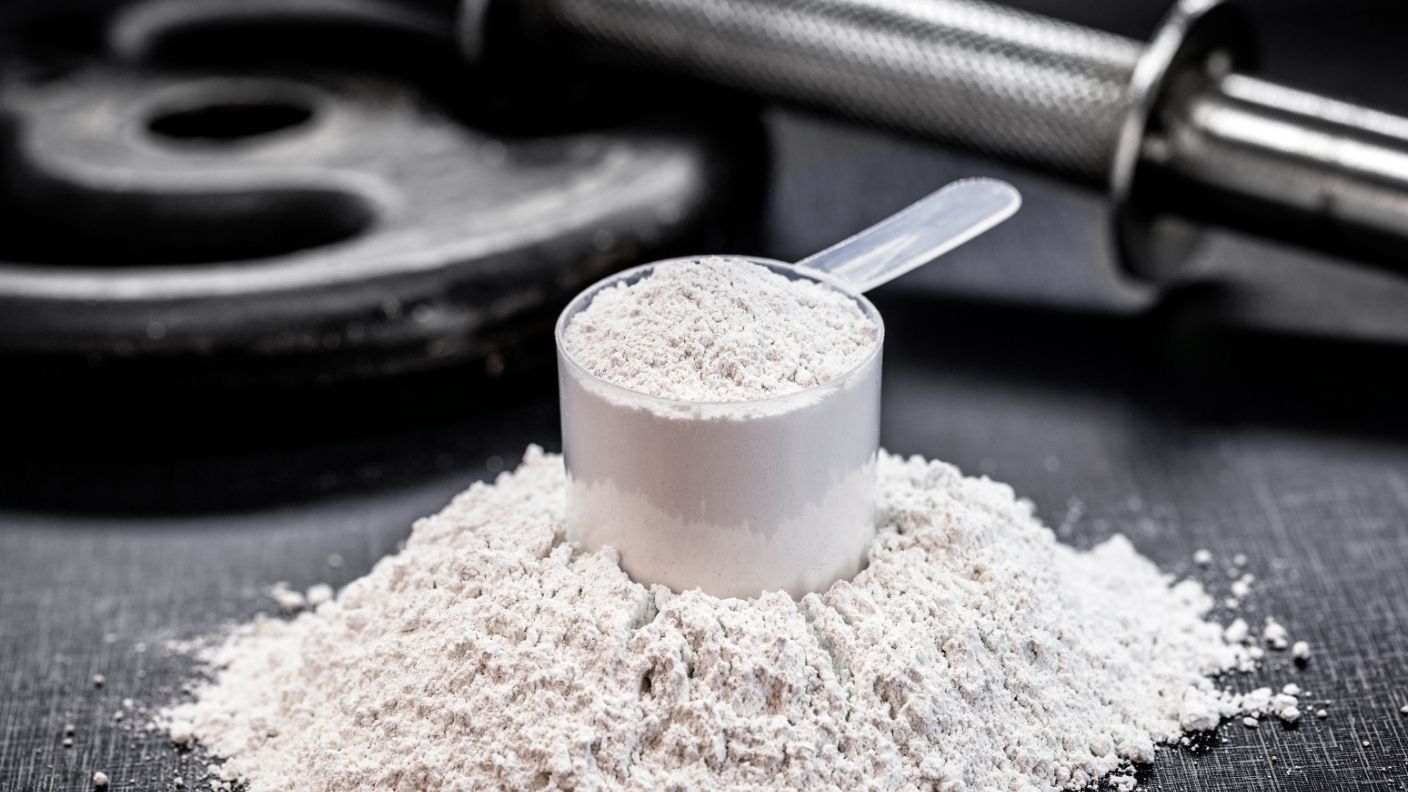
My cupboard of supplements has always had one rule. If it’s advertised next to a picture of a man flexing in a tank top, it isn’t for me. For years, creatine sat firmly in that category, somewhere between protein tubs the size of paint cans and pre-workouts with neon labels.
Lately, though, it keeps turning up in places that have nothing to do with the gym. It’s in office conversations, in the bags of friends who’ve never touched a barbell, and in plenty of scientific journals. So what changed, and is all the attention deserved?
What Creatine Actually Does
Creatine is a compound your body already makes from three amino acids. You also get some from meat and fish. Most of it is stored in your muscles, where it helps recycle ATP, the molecule cells use for quick bursts of energy.
That’s why it built its reputation in weight rooms. More stored creatine means muscles can push a little harder during short, intense efforts. But muscles aren’t the only part of the body with sudden energy demands, and that’s where the story gets bigger.
Your Brain Uses It Too
Your brain is one of the hungriest organs you have, and it relies on the same creatine system to keep up with heavy mental work. Researchers have started asking whether topping up those stores could help with focus, memory, and mental fatigue.
The early answers are promising, though not yet conclusive. Some studies show improvements in memory and processing speed, while others find little change. Effects seem strongest when the brain is under strain, which leads to one of the most talked-about findings.
It May Help After a Bad Night’s Sleep
In a 2024 study, people who were kept awake through the night were given either a single large dose of creatine or a placebo. The creatine group held up noticeably better on memory and processing speed tests, with the effect peaking about four hours later.
A follow-up published this year tried a smaller dose and still found a smaller but real benefit. That doesn’t make creatine a substitute for sleep. Still, it’s a big reason students, parents of newborns, and shift workers have started paying attention.
Plant-Based Eaters Start With Less
Since creatine comes mostly from animal foods, vegetarians and vegans tend to have lower stores in their muscles. Their bodies make some on their own, but nothing on their plate tops it up.
That lower starting point seems to make supplements work especially well for them. A systematic review on vegetarians found gains in muscle creatine, strength, and lean mass, plus improvements in memory. In some studies, their creatine levels climbed past those of meat eaters.
Women Are Finally Part of the Research
For decades, most creatine studies focused on young male athletes. Women naturally store less creatine than men, yet they were left out of much of the early research.
That’s shifting fast. A 2025 review on women’s health looked at creatine across the menstrual cycle, pregnancy, and menopause, and pointed to possible benefits for strength, mood, and cognition. The authors were clear that larger studies are still needed, especially during perimenopause.
Holding On to Strength Over the Years
Muscle mass and strength naturally decline as people get older, and that loss affects everything from carrying groceries to keeping your balance. This is where creatine has some of its most consistent evidence.
When it’s paired with resistance training, creatine leads to more lean muscle and greater upper and lower body strength than training alone. The supplement doesn’t do the work by itself, though. The lifting is still the main ingredient.
The Old Safety Fears Haven’t Held Up
Creatine has picked up plenty of scary rumors over the years. People claimed it damaged kidneys, caused hair loss, and led to dehydration and cramps. Some even lumped it in with steroids.
The International Society of Sports Nutrition took on these claims one by one and found no solid evidence behind them in healthy people. The hair loss worry traces back to a single small study that has never been repeated. Creatine is also not a steroid.
It’s Simple and Inexpensive to Take
Part of creatine’s appeal is how easy it is. Most research uses creatine monohydrate, the plain and inexpensive form, at around three to five grams a day. It mixes into water, coffee, or a smoothie with almost no taste.
Timing matters far less than consistency. Taking it daily slowly fills your stores over a few weeks. Some people notice a small bump on the scale at first, which comes from water drawn into the muscles, not fat.
Some People Should Check With a Doctor First
Creatine looks safe for healthy people, but that doesn’t cover everyone. Anyone with kidney disease, or anyone taking medications that affect the kidneys, should talk to a doctor before starting. The same goes during pregnancy, even though early research is encouraging.
It’s also worth mentioning at your next checkup. Creatine can raise creatinine, a marker doctors use to judge kidney function, on a blood test. That rise doesn’t mean your kidneys are harmed, but your doctor will want to know so the result is read correctly.
RELATED ARTICLE: Do Athletes Really Need a Fundamentally Different Diet Than Everyone Else?
