


Can You Substitute Ground Beef for Ground Pork? Here’s What to Know Before You Do

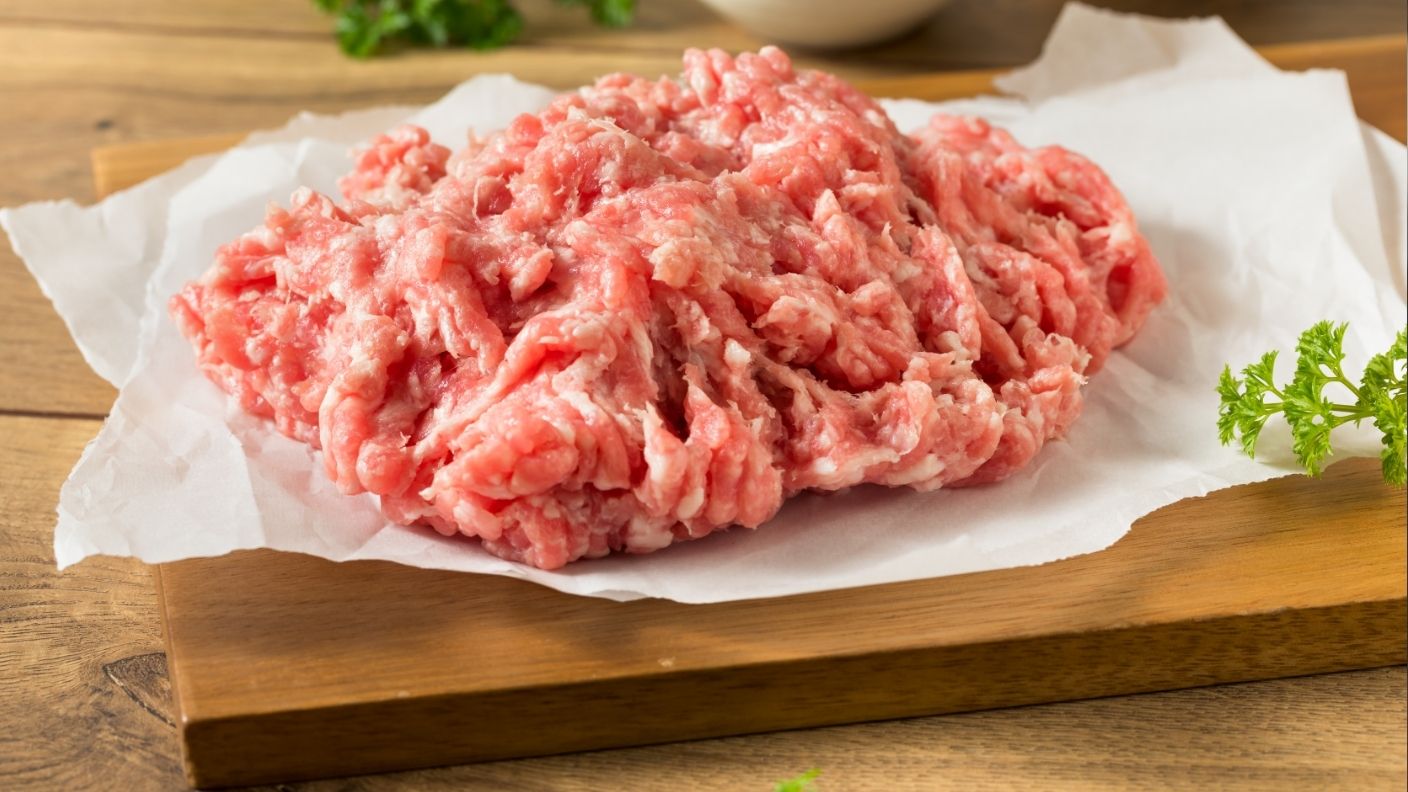

Running out of one ground meat mid-recipe is a common enough kitchen emergency. Whether the swap actually works depends on a few details most recipes never bother mentioning.
Fat Content Is the Real Difference
Ground pork typically sits around 20 to 30 percent fat, while ground beef comes in a much wider range, anywhere from lean 93/7 blends to fattier 70/30 options. That range means the swap can go either direction depending on what’s actually on the shelf.
Picking a fattier ground beef blend gets you closer to pork’s natural richness. A lean blend, on the other hand, will leave the dish noticeably less juicy than the original recipe intended.
Flavor Shifts From Rich and Beefy to Milder
Ground beef brings a bold, savory flavor that most people immediately recognize. Ground pork is milder and slightly sweeter by comparison, which is part of why it blends so well into sauces and spice-heavy dishes without overpowering anything.
Swapping beef in doesn’t just change the fat, it changes the entire flavor foundation of the dish. A recipe built around pork’s subtlety may suddenly taste more assertive than intended.
The Dish Will Need Its Seasoning Adjusted
Because pork carries less inherent flavor on its own, recipes built around it often lean harder on garlic, ginger, or specific spice blends to compensate. Once beef enters the picture, some of that seasoning may need to be scaled back.
Tasting as the dish comes together matters more than following the original spice measurements exactly. What balanced a milder meat can easily overwhelm a more robust one.
Cooking Time Can Shift With the Fat
Higher-fat ground pork tends to hold onto moisture longer during cooking, which can slightly change how quickly a dish comes together. A leaner ground beef can dry out faster if it’s left on the heat for as long as the original pork-based recipe called for.
A meat thermometer solves this problem better than watching the clock. Checking for doneness directly avoids overcooking one meat just because the recipe was timed for the other.
Food Safety Doesn’t Change
Both ground beef and ground pork need to reach an internal temperature of 160 degrees Fahrenheit to be considered safe to eat. Nothing about substituting one for the other changes that baseline requirement.
That consistency simplifies things at least on one front. Whichever meat ends up in the pan, the same thermometer reading applies.
Some Dishes Handle the Swap Better Than Others
Tacos, meatloaf, casseroles, and most sauces tolerate the substitution well, since seasoning and other ingredients can absorb most of the flavor difference. Dishes that lean specifically on pork’s natural sweetness, like certain dumplings or Italian-style sausages, tend to lose something more noticeable in the swap.
Knowing which category a recipe falls into ahead of time saves a lot of second-guessing at the stove. A quick check of what the dish is actually built around usually answers whether the swap is worth trying at all.
RELATED ARTICLE: Ground Pork vs. Ground Beef: Difference & Which Is Better?
