


Can Mindful Travel Actually Work With Toddlers?

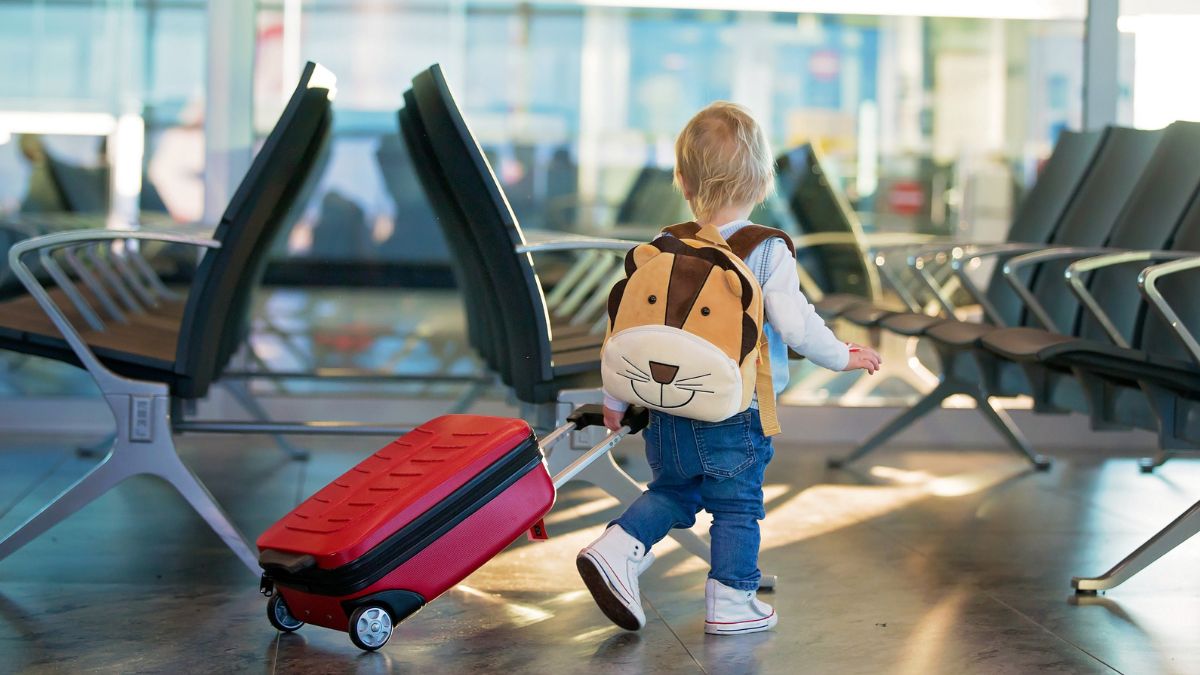
Mindful travel with toddlers works best when the plans leave room for snacks, naps, movement and changing moods. Young children experience every unfamiliar sound, delay and transition at full volume, so a calm family trip needs flexibility more than a packed sightseeing list.
That may look different from the restorative travel you enjoyed before becoming a parent. Still, mindfulness can be practical: notice what your child needs, check in with your own body and make the next hour manageable. You don’t need a perfectly calm vacation to travel with greater intention.
Slow Down the Itinerary
Start with one main activity each day. A museum in the morning, lunch nearby and an open afternoon will usually feel better than three timed attractions across different parts of a city. Toddlers need time to walk, inspect fountains and eat at a pace that may bear little resemblance to the schedule in your head.
A slower itinerary also creates space for basic needs. If your toddler sleeps poorly, you can move the outing until after lunch. If everyone feels good, you can add a playground or short boat ride. That open space keeps a normal disruption from turning into a day-long scramble.
When planning each day, consider three questions:
- How long will it take to reach the main activity?
- Where can your child eat, move and use the restroom?
- How quickly can you return to your lodging?
Parents often find that familiar rhythms help children settle in an unfamiliar place. Maintaining open communication can also make transitions easier, particularly when children feel overwhelmed by new surroundings. Learning how to improve parent-child communication can help parents understand their child’s needs and create a sense of reassurance.
Leave recovery time in the plan too. A quiet hour after lunch can benefit the entire family, even if your child no longer naps every day. Dim the room, offer books or play an audio story. Rest still counts when nobody sleeps.
Mindful family travel begins with paying attention to capacity. If your toddler is rubbing their eyes at the aquarium, skipping one more exhibit may protect the rest of the afternoon.
Ditch the Excess Baggage
Pack for the problems you’re likely to encounter, not every problem you can imagine. Too much luggage adds physical work to each transfer and makes it harder to keep a hand free for your child. A compact packing list can include two complete outfits in your day bag, a small first-aid kit, wipes, refillable bottles and a few dependable snacks.
Use packing cubes to sort clothes by person or purpose. Keeping pajamas and the next morning’s outfits together prevents a full suitcase search at bedtime. Place medicine, comfort items and changing supplies where you can reach them without opening your largest bag.
A minimalist family vacation can also involve choosing toys with more than one use. A small set of washable crayons, reusable stickers and two favorite books can cover restaurant waits, train rides and quiet time. One familiar stuffed animal may provide more comfort than a bag full of new entertainment.
Temporary storage can help on arrival and departure days, when lodging checkout times don’t match your train or flight. In Hamburg, for example, checking lockers at Hamburg hbf price options before the trip can help you plan where to leave bags while waiting for onward transit or exploring the city. Confirm the location’s opening hours and booking details before you arrive.
Before closing each suitcase, remove one “maybe” item. Many destinations have grocery stores and pharmacies, so you rarely need to carry a full-trip supply of every disposable product. Less weight gives you more freedom to respond to a tired child without also managing several bulky bags.
Smart Transit Hub Routines
Airports and train stations involve lines, announcements, bright signs and long periods of waiting. Give your toddler the same simple routine each time you enter one: bathroom, water refill, snack and a short movement break. Repetition makes a busy space feel more predictable.
Arrive early enough to move without rushing, but avoid adding hours of unnecessary waiting. The best timing depends on the hub, the trip and any formal arrival guidance from the carrier. Once you know that requirement, add a modest buffer for diaper changes, elevator waits and toddler-paced walking.
Keep travel documents in one secure pocket that an adult can reach with one hand. Store the next snack and one quiet activity near the top of your day bag. You don’t want to unpack spare clothes, chargers and toiletries in the middle of a crowded platform to find a granola bar.
Sensory needs deserve special attention in transit hubs. Advice for preventing sensory travel meltdowns includes preparing children for what they may encounter and watching for early signs of overload. Child-size hearing protection, a familiar cap or a stroller shade may soften an intense environment. Some children also benefit from seeing pictures of the station or airport before the trip.
When waiting, look for a quiet corner near your departure area and let your toddler move safely before boarding. Simple prompts work well: “First we check the screen, then we walk to the platform.” Offer two manageable choices, such as apple slices or crackers. Limited choices give a toddler some control without placing the whole plan on their shoulders.
If a delay occurs, share only what your child needs to know. “The train is coming later, so we’ll read another book” is more useful than repeated updates they can’t interpret. Your steady voice can become the most familiar part of an unpredictable place.
Protecting Your Postpartum Energy
Postpartum recovery doesn’t follow a universal calendar. A parent may be traveling weeks, months or more than a year after birth while managing interrupted sleep, feeding needs, pelvic floor symptoms or lingering fatigue. Build the trip around your current body, not your pre-baby travel pace.
Talk with your health care professional before travel if you have concerns about healing, pain, bleeding, mood changes or feeding. For day-to-day planning, choose lodging with a dependable elevator, a private bathroom and easy access to food. A picturesque fourth-floor walk-up can become exhausting when you’re carrying a toddler and managing a stroller.
Share physical and mental tasks explicitly. One adult can handle tickets and directions while the other focuses on the child. Switch roles later so no one remains “on” for the entire day. If you’re traveling with another trusted adult, agree in advance on a protected 30-minute break for each parent. A shower, solo walk or quiet cup of tea can lower the pressure that builds during constant caregiving.
Bring water and eat regularly, especially if you’re nursing. Pediatric guidance on travel with young children recommends planning around sleep, food and health needs, all of which affect the adults as well as the child. Keep any feeding supplies organized in one accessible pouch and identify private or comfortable feeding areas before long transit days.
Watch for early signs that your energy is dropping. Irritability, dizziness, tearfulness and difficulty making small decisions can signal that you need food, water or rest. Canceling an evening reservation may preserve enough energy for a pleasant breakfast the next morning.
Your toddler doesn’t need a parent who completes every planned activity. They need care, connection and a pace the family can sustain. Some of the warmest travel memories may come from sharing fruit on a park bench or reading the same book in a quiet hotel room while the city carries on outside.
Mindful travel can work with toddlers when the schedule leaves room for real bodies and real feelings. On a difficult afternoon, success may be as simple as finding a calm place to sit, offering a snack, and deciding the next stop can wait.
