


Calcium-Rich Foods You Should Eat More of After 50

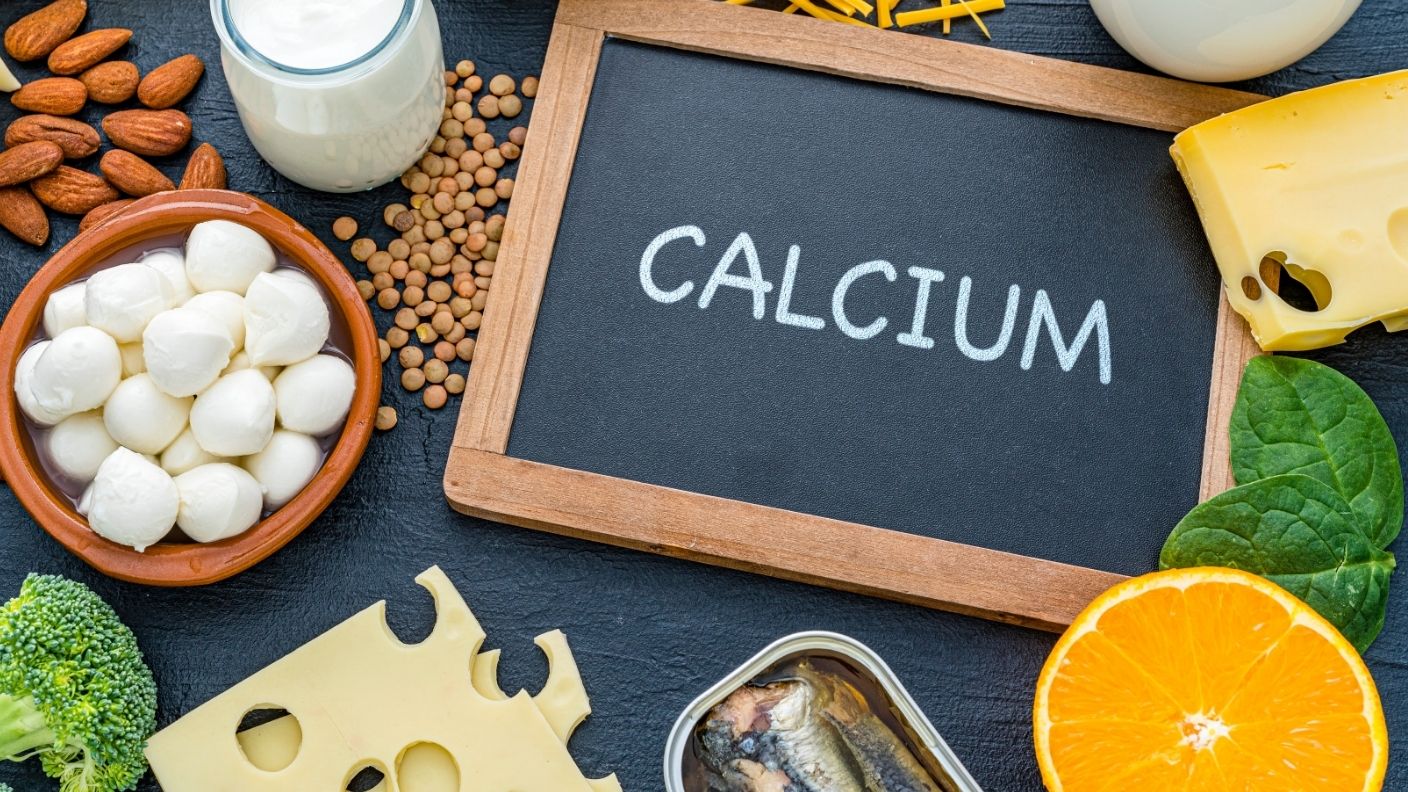

There is a quiet shift that happens in the body after 50 that most people do not notice until it is already well underway. Bones start losing density faster than the body can replace it, and the mineral doing most of the heavy lifting, calcium, suddenly needs to show up in larger amounts just to keep things steady.
The good news is that the foods that get you there are actually delicious. Here is what nutritionists and doctors want you to be eating more of.
Greek Yogurt
Greek yogurt is one of the most calcium-dense foods you can eat, with a single serving delivering up to 400 mg, which is already a third of the daily target for women over 50.
What makes it especially smart after menopause is that it combines calcium and protein in one food, and both nutrients work together to protect bones and slow muscle loss at the same time. Many brands also add vitamin D, which helps the body actually absorb the calcium it is getting.
Sardines
This one surprises people, but canned sardines deliver around 351 mg of calcium per serving, most of it coming from their soft, edible bones. That is comparable to a glass of milk, in a tiny tin.
They also come loaded with vitamin D and omega-3 fatty acids, making them one of the most complete bone-supporting foods on the grocery shelf. Mash them onto toast, toss them into pasta, or eat them straight from the can with a squeeze of lemon.
Kale
Kale provides around 200 mg of calcium per cooked cup and comes with something most dairy products cannot offer: vitamin K, which plays a direct role in regulating how the body uses calcium in bones.
Tufts University researchers note that leafy greens like kale are among the most important supporting foods for bone health after menopause, especially when calcium supplements alone are not always enough. Sauté it in olive oil, blend it into smoothies, or pile it into soups.
Canned Salmon
Fresh salmon is wonderful, but it is the canned version with bones that earns its place on this list. Canned salmon with bones provides around 180 mg of calcium per serving, with the bones softened enough to eat without noticing them.
It is also one of the best dietary sources of vitamin D, the nutrient that helps the body absorb calcium effectively, and that becomes increasingly important as the skin loses its ability to produce vitamin D from sunlight with age.
Tofu
Tofu does not get nearly enough credit for what it brings to bone health. When made with calcium sulfate, it becomes one of the richest plant-based sources of calcium available, with a single serving delivering up to 350 mg depending on the brand.
Tufts nutrition experts recommend tofu specifically for women navigating menopause, noting that its protein content supports bone mineral density alongside its calcium contribution. Always check the label for calcium sulfate in the ingredients.
Almonds
Of all the nuts, almonds are the highest in calcium, with a single ounce delivering about 80 mg alongside healthy fats, magnesium, and protein. They are the most convenient bone-supporting snack that requires zero preparation.
Magnesium is worth noting here because it works alongside calcium to regulate how the body stores and uses the mineral in bones. A handful of almonds in the afternoon is genuinely one of the easier upgrades a person over 50 can make.
Dried Figs
Figs are the sleeper hit of this list. Two dried figs contain around 65 mg of calcium and also bring potassium and vitamin K, two nutrients that actively support bone structure and slow bone loss over time.
They are sweet enough to satisfy a sugar craving, easy to add to oatmeal or cheese boards, and one of the few fruits that actually moves the needle on daily calcium intake in a meaningful way.
White Beans
White beans are quietly impressive. One cup delivers around 130 mg of calcium along with fiber, plant protein, and magnesium, making them one of the most nutritionally dense additions to any meal.
Harvard Health highlights white beans as one of the more underrated bone-supporting foods for people looking to build calcium intake beyond the usual dairy staples. Stir them into soups, mash them onto toast, or toss them into a salad.
The goal after 50 is 1,200 mg of calcium per day according to the Mayo Clinic, and reaching it through real food rather than supplements is always the smarter first move. The list above makes it easier than it sounds.
RELATED ARTICLE: #1 Drink to Cut Back On If You Want Better Heart Health After 50
