


Building The Ultimate Outdoor Kitchen: Practical Tips For A Safe And Functional Cooking Space

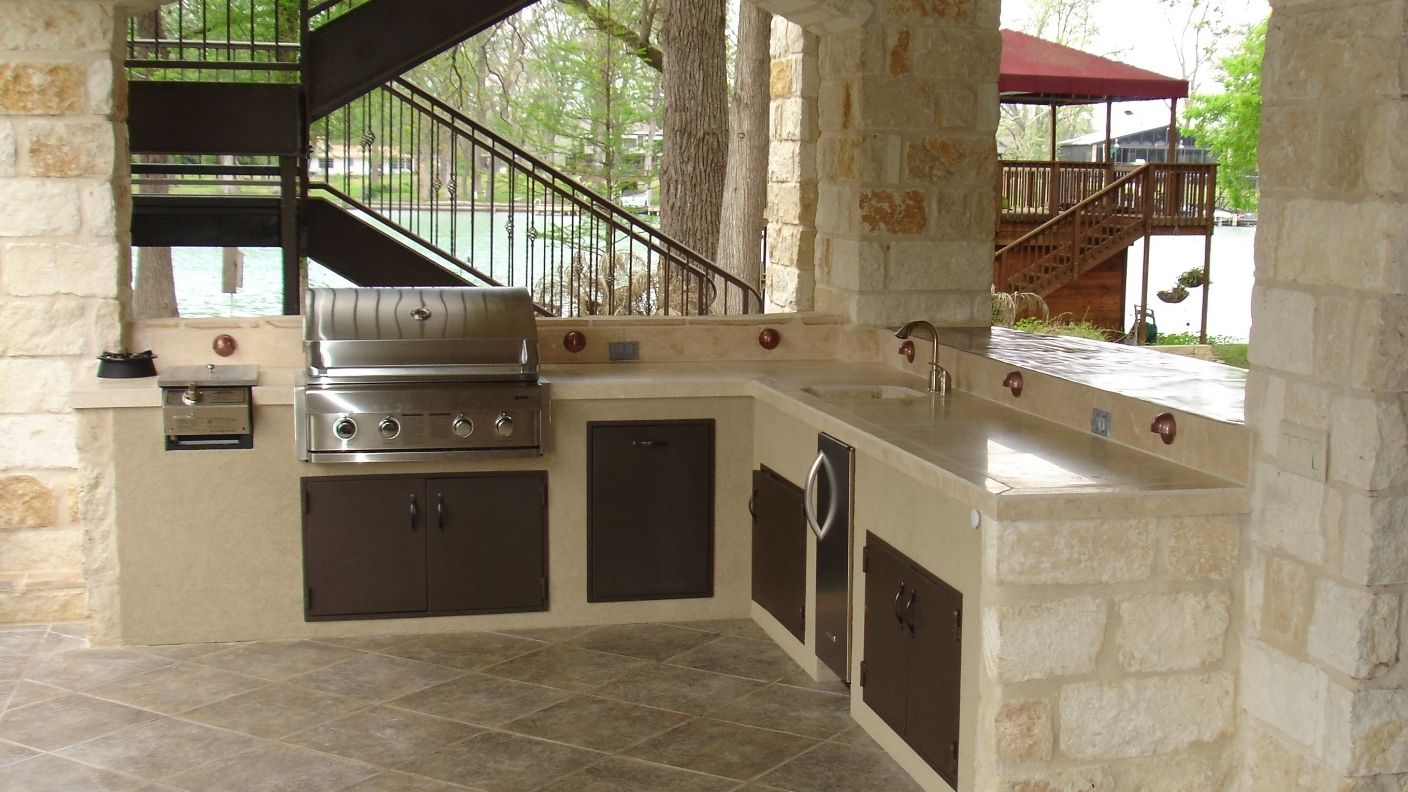

An outdoor kitchen can transform a yard into a space where cooking, dining, and entertaining naturally come together. Instead of constantly carrying ingredients, utensils, and cookware between the house and patio, you can keep everything you need to prepare a meal conveniently located outdoors.
Creating a successful outdoor cooking space, however, requires more than installing a grill and adding a table. Careful planning around layout, materials, storage, utilities, weather protection, and safety can make the difference between a kitchen that looks impressive and one that actually works well for everyday cooking.
Start With How You Plan To Cook
Before choosing appliances or countertops, consider how you expect to use the outdoor kitchen. Someone who primarily grills burgers and vegetables will need a very different setup from a home cook who wants to:
- Smoke meats
- Bake pizzas
- Barbecue meats and vegetables
- Prepare cocktails
- Host large gatherings
Think about how many people you regularly cook for and what equipment you use most often. Building the kitchen around your actual cooking habits helps prevent expensive appliances from taking up valuable space without providing much practical benefit.
Create An Efficient Cooking Layout
Indoor kitchens usually use carefully planned work zones, and the same principle works outdoors. Position your grill or cooktop, prep area, sink, refrigerator, and storage so you can move comfortably between them without constantly crossing the entire patio.
Include countertop area next to major cooking appliances whenever possible. Having a place to set ingredients, serving dishes, utensils, and hot cookware makes outdoor food prep easier and reduces unnecessary trips indoors.
Choose Materials Designed For Outdoor Conditions
Outdoor kitchens are constantly exposed to conditions that indoor cabinetry and furniture rarely experience, such as:
- Sunlight
- Rain
- Humidity
- Temperature changes
- Grease
- Smoke
- Wind
These conditions can quickly damage materials not designed for exterior use.
For this reason, stainless steel, stone, concrete, brick, tile, and other weatherproof materials are popular choices. When comparing options, consider:
- Appearance
- Maintenance requirements
- Heat resistance
- Durability
- How well each material handles your local climate
Make Safety Part Of The Design
Cooking equipment produces significant heat, so grills, smokers, pizza ovens, and other appliances need adequate clearance from combustible surfaces. Follow manufacturer recommendations for installation, and plan ventilation and safe traffic routes from the start rather than as afterthoughts.
Safety becomes especially important when constructing customized metal features or completing fabrication work as part of a larger DIY project. Anyone performing welding should use appropriate protective equipment, and those researching specialized head protection can learn more from Ridge Products Welding when considering equipment suited to fabrication tasks.
Plan Utilities Before Construction Begins
Electricity, water, drainage, and gas could considerably affect where you locate an outdoor kitchen. Planning these utilities early may prevent situations where you later need to remove finished countertops, flooring, or cabinetry to accommodate additional lines.
Professional installation may be appropriate for electrical, plumbing, and gas connections, particularly where local building codes apply. Outdoor electrical outlets should also be rated for exterior use, while water lines may need extra protection in areas that experience freezing temperatures.
Include Plenty Of Practical Storage
Outdoor kitchens quickly become frustrating when every meal requires carrying cooking tools and supplies outside. Cabinets and drawers can provide dedicated places for:
- Grill utensils
- Serving dishes
- Cutting boards
- Cookware
- Cleaning supplies
- Other frequently used items
Choose storage designed for outdoor conditions and built to keep moisture and pests away from its contents. Food itself may still be better stored indoors unless you have sealed storage or refrigeration specifically designed for safe outdoor use.
Think Carefully About Refrigeration
An outdoor refrigerator can make entertaining significantly easier by keeping cold ingredients and beverages close to the cooking area. However, an indoor refrigerator shouldn’t simply be moved outside because it may not be designed to operate safely or efficiently through changing outdoor temperatures.
Choose appliances that are specifically rated for outdoor installation and leave the ventilation clearance recommended by the manufacturer. Positioning refrigeration away from major heat sources can also improve efficiency and make the kitchen easier to organize.
Provide Shade And Weather Protection
A beautiful outdoor kitchen will not receive much use if cooking becomes uncomfortable whenever the sun is strong or light rain appears. Pergolas, covered patios, umbrellas, and other shade structures can make the space more enjoyable throughout different seasons.
Any overhead structure must be designed with heat and ventilation requirements in mind, particularly around grills and other flame-producing appliances. You can also consider prevailing wind direction when deciding where to position cooking equipment so smoke is less likely to blow toward dining areas or into the house.
Add Enough Lighting For Evening Cooking
Outdoor cooking often continues well after sunset, especially during parties and summer gatherings. General patio lighting creates atmosphere, but specific task lighting around grills, sinks, countertops, and preparation areas makes cooking safer and more convenient.
Avoid positioning bright fixtures where they shine directly into someone’s eyes while cooking or dining. A combination of practical task lighting and softer ambient lighting can help the kitchen transition naturally from food preparation to relaxed evening entertaining.
Separate Cooking And Social Areas
One of the pleasures of an outdoor kitchen is cooking while spending time with family and friends. The layout should encourage conversation without forcing guests to stand beside hot appliances or block the cook’s main workspace.
A counter with seating can provide a useful boundary between preparation and social areas. Similarly, placing a dining table nearby, rather than directly beside the grill, lets guests stay involved while keeping busy cooking routes clear.
Make Cleanup As Convenient As Possible
Cleanup is easy to overlook when designing an outdoor kitchen, but it can determine how frequently the space actually gets used. A sink, accessible trash and recycling containers, washable surfaces, and convenient storage for cleaning supplies can make the end of a meal considerably easier.
Countertops and flooring should also handle spills, grease, and regular cleaning. Choosing surfaces with reasonable maintenance requirements lets you spend extra time enjoying the kitchen instead of constantly trying to keep delicate materials looking perfect.
Leave Room For Future Upgrades
Your outdoor cooking habits may change after you begin using the space regularly. You might eventually decide that you want a:
- Pizza oven
- Smoker
- Larger refrigerator
- Beverage station
- Additional storage
- More countertop space
Leaving some flexibility in the original design makes future improvements easier and potentially less expensive. Even simple decisions, like adding extra electrical capacity or leaving an open counter section, can give the kitchen room to evolve.
Create A Space You’ll Actually Use
The ultimate outdoor kitchen doesn’t have to be the biggest or most expensive in the neighborhood. A well-planned space that fits your cooking habits, climate, available area, and entertaining style will usually provide more value than a complicated design filled with features you rarely need.
Focus on comfortable movement, durable materials, practical storage, sufficient preparation space, and sensible safety measures. When you handle those fundamentals well, your outdoor kitchen can become a functional extension of the home and a welcoming place for everything from quick weeknight dinners to relaxed weekend gatherings.
