


Blueberries vs Avocados: Which Food Gets More Anti-Aging Buzz?

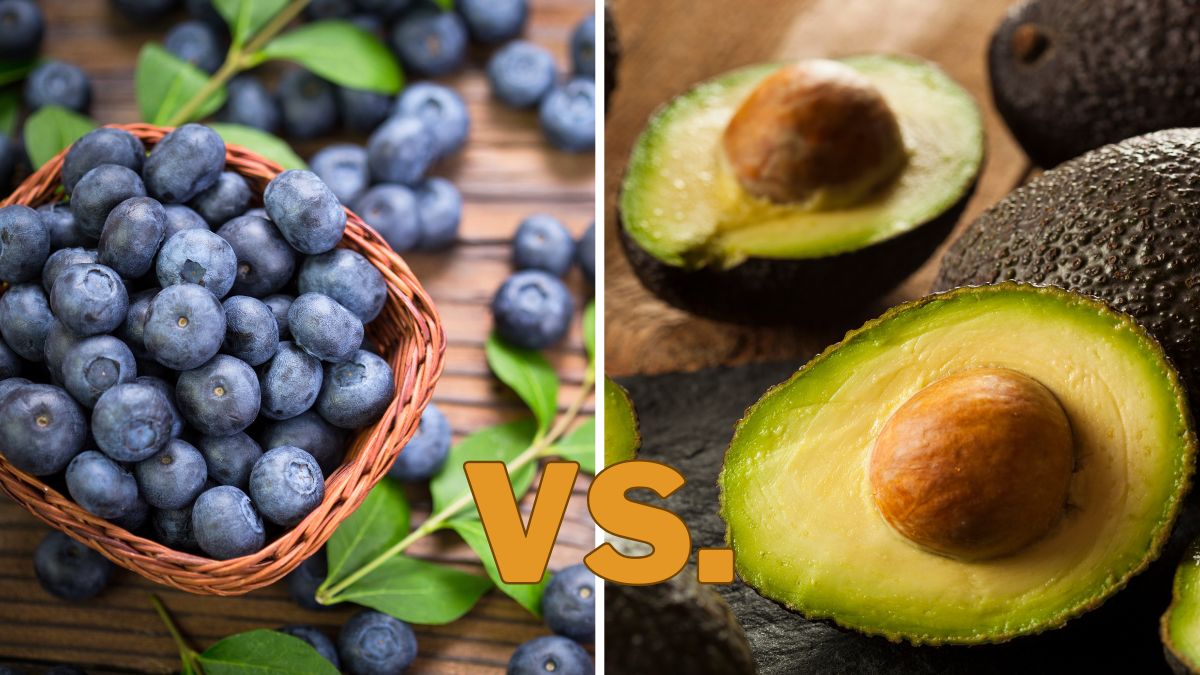

Both show up constantly on longevity food lists, in smoothie bowls, and in the increasingly serious conversation about what to eat to age well. Blueberries bring the antioxidant firepower. Avocados bring the healthy fat and the skin glow.
But when researchers actually put both foods under the microscope for anti-aging potential, which one is making the stronger case, and is the buzz matched by the biology?
Why Blueberries Have a Devoted Scientific Following
The anti-aging research on blueberries is unusually deep for a single food. A 2024 report in Frontiers in Pharmacology found that metabolites in blueberries have the potential to protect the brain, with flavonoids, carotenoids, and vitamins C and E all flagged as potentially protective against cognitive decline, Alzheimer’s, and Parkinson’s disease.
The brain data in particular is striking. A six-month double-blind randomized trial found that older adults with cognitive decline who consumed wild blueberry powder saw their processing speed improve so significantly that they matched the cognitive level of people without any cognitive issues at all. That is the kind of result that does not come from most foods.
The Skin Angle That Puts Avocados Ahead
Avocados fight back with an entirely different kind of anti-aging evidence. A clinical trial of 39 women who ate one avocado daily for eight weeks found measurable improvements in skin firmness and elasticity of forehead skin, one of the first studies to link oral avocado consumption to actual skin aging markers.
A 2025 review published in Pharmaceuticals went further, concluding that avocado oil shows genuine anti-aging potential through its antioxidant effects, and that several studies have demonstrated its efficacy in mitigating age-related conditions including cognitive decline, neurodegeneration, insulin resistance, and impaired wound healing.
What Blueberries Do That Nothing Else Quite Matches
What makes blueberries particularly interesting to longevity researchers is the DNA repair mechanism.
Blueberry compounds have been shown to delay aging by facilitating DNA repair and favorably modulating genes associated with aging, and when added to a calorie-restricted diet, blueberry polyphenols significantly increased lifespan beyond what calorie restriction alone achieved. That is a genuinely unusual finding.
Regular berry consumption is linked to improved brain health and lower heart disease risk, with high levels of flavonoids and polyphenols protecting cells from damage and potentially slowing the onset of age-related diseases, according to researchers at WorldHealth.net.
The anthocyanins that give blueberries their color are particularly well-studied for their neuroprotective properties.
The Avocado Heart Case
Avocados make their most compelling anti-aging argument through cardiovascular health, which is a central pillar of longevity. A 2024 study found that replacing solid fats and added sugars with avocado in a typical diet improved the lipoprotein lipid profile in adults with elevated triglycerides, including reductions in LDL cholesterol and total cholesterol.
A 2025 scoping review that analyzed 45 unique studies confirmed that avocado intake may beneficially impact cognitive function and skin health, while also noting that every 1% energy replacement of carbohydrates with the monounsaturated fats abundant in avocados can reduce LDL cholesterol and triglycerides.
Which One Wins the Anti-Aging Title?
Separating these two foods into a winner and a loser is somewhat missing the point, because they operate in entirely different biological lanes. Blueberries dominate in the brain and DNA protection categories, with a depth of human trial data that very few foods can match.
Avocados dominate in the skin elasticity and cardiovascular fat-quality categories, with the added benefit of nutrient delivery for the whole body.
A 2025 study published in Nature Medicine that analyzed over 100,000 adults found that the best aging outcomes came from plant-forward diets rich in whole grains, fruits, vegetables, and nuts, with no single food singled out as the magic ingredient.
Both blueberries and avocados appear consistently in the diets of the populations that age best, which is probably the most honest answer the research has to offer.
RELATED ARTICLE: 7 Anti-Aging Foods Doctors Say to Add After 40
