


Beyond Meat, Vegan Cheese and Plant-Based Milk: Are Shoppers Finally Getting Tired of Meat Alternatives?

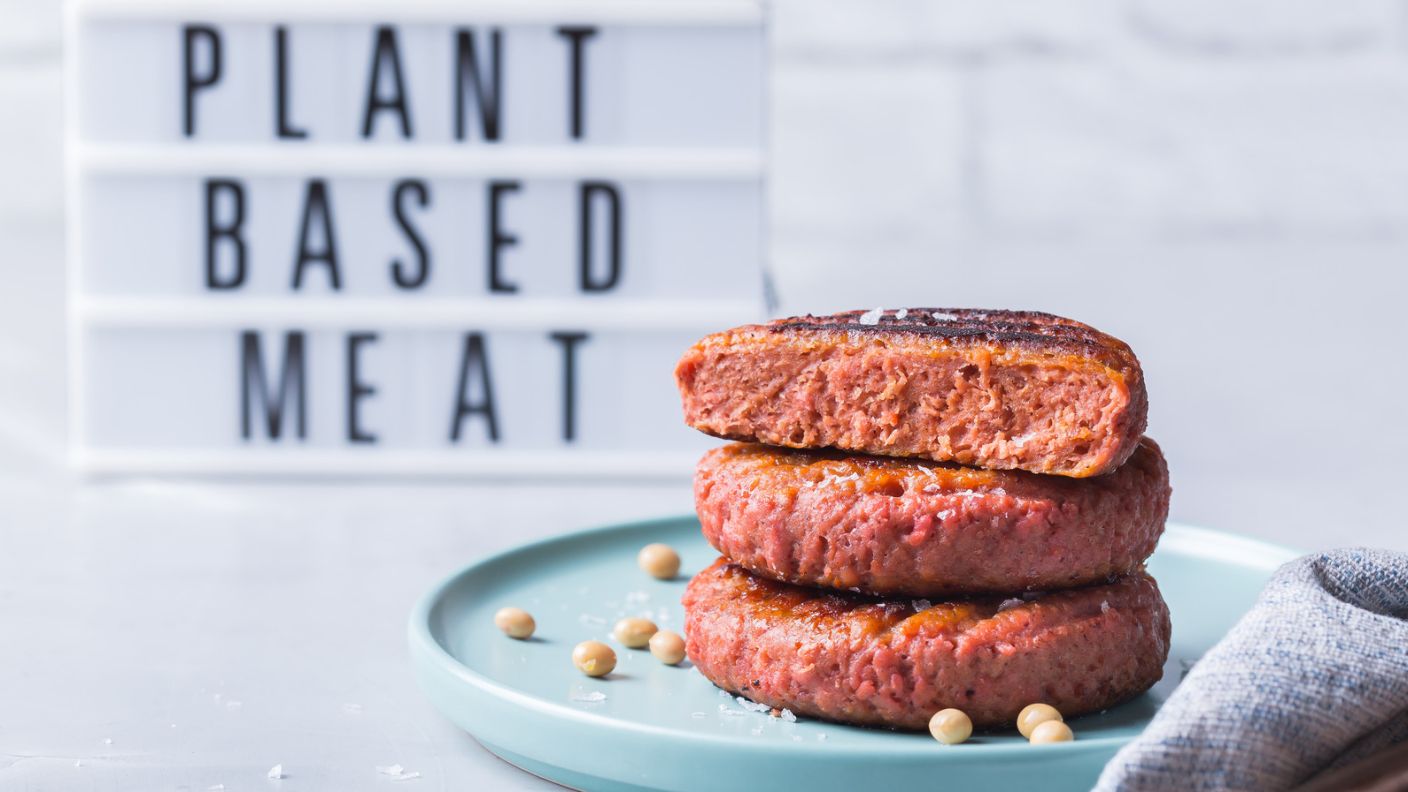
When oat milk first showed up on coffee shop menus, it felt like a small rebellion. Then came burgers that “bled,” cheese made from cashews, and freezer aisles full of nuggets that never saw a chicken. For a few years, plant-based everything looked like the future of the grocery store.
Walk those same aisles today, though, and the picture is a little more complicated. Some shelves have shrunk, some brands have disappeared, and others are quietly doing better than ever. So what’s really going on with meat and dairy alternatives?
The Checkout Numbers Tell a Mixed Story
The latest full-year figures from the Good Food Institute, which tracks the category using SPINS retail data, show a clear slowdown in the US. Plant-based meat and seafood sales fell 10% in 2025 to around $1 billion, with the number of units sold dropping even more.
That doesn’t mean the whole category is collapsing, though. Plant-based milk slipped just 2%, and a few products actually grew. The overall picture is less “everyone’s quitting” and more “shoppers are getting pickier about what earns a spot in the cart.”
Beyond Meat’s Rough Stretch
Few brands capture the rise and fall better than Beyond Meat. It was once the poster child of the movement, with burgers in fast-food chains and a stock price that soared after its public debut. Since then, the momentum has reversed.
The company reported a 15% drop in sales for the first quarter of this year, and the amount of product it sold fell by almost a fifth. Fewer restaurants are carrying it, and store shelves have less room for it. Beyond Meat has even started branching into protein drinks to find new customers.
Vegan Cheese Is Having the Hardest Time
If any corner of the plant-based world is struggling most, it’s cheese. Sales of plant-based cheese dropped 10% in 2025, and it still makes up only a tiny sliver of the overall cheese market.
The brand list is shrinking too. Bel Group, the company behind Babybel, discontinued its Nurishh vegan cheese line, and several smaller startups have shut down. Trader Joe’s has also pulled a number of vegan items, including dairy-free cheese products, much to the frustration of loyal fans.
Why Cheese Is So Hard to Copy
The biggest complaint comes down to taste and texture. Dairy cheese melts, stretches, and develops deep flavor as it ages. Many plant-based versions still turn rubbery, chalky, or oddly sweet, especially on a pizza or a grilled cheese.
Shoppers will often forgive small differences in a burger buried under ketchup and pickles. Cheese is usually the star of the plate, though, so every flaw shows. That’s a tough bar to clear, and many people who tried it once never came back.
Plant-Based Milk Is Holding Steady
Oat, almond, and soy milk have proven much sturdier. Around four in ten US households bought plant-based milk last year, and it remains the largest plant-based category by far. Half of the top brands even grew their sales.
Coffee shops are a big part of that staying power. While retail sales dipped slightly, plant-based milk kept growing in restaurants and cafés. For plenty of people, an oat milk latte simply became a habit, with no statement behind it.
Price Still Gets in the Way
Ask shoppers why they stopped buying meat alternatives, and cost comes up again and again. A pack of plant-based patties often costs more than ground beef, and vegan cheese can run well above a block of cheddar.
When grocery bills climbed over the past few years, many families started trimming the extras. Products that felt like a nice experiment were among the first to go. It’s hard to justify paying a premium for something you’re only lukewarm about.
Ingredient Lists Started Raising Eyebrows
Early on, plant-based meat was marketed as the healthier, cleaner choice. Then shoppers began flipping the packages over. Long lists of isolates, oils, gums, and flavorings made some people question whether these products were really better than what they replaced.
The broader conversation about ultra-processed foods made that worry louder. Many health-minded buyers moved toward simpler options like beans, lentils, tofu, or tempeh. These foods don’t try to imitate meat at all, and that’s exactly why some people prefer them.
The Novelty Wore Off
When these products first launched, curiosity did a lot of the selling. People wanted to see if a plant-based burger could really fool them. That first purchase is easy to get, but the second and third are much harder.
Many meat eaters tried the alternatives, decided they still preferred the real thing, and moved on. Meanwhile, longtime vegetarians often stuck with the foods they’d always eaten. The middle ground these brands were counting on turned out to be smaller than expected.
Some Categories Are Still Growing
Not everything in the plant-based aisle is shrinking. Plant-based yogurt grew 7% in 2025, a sign that shoppers will keep buying alternatives that taste good and fit easily into their routines.
Outside the US, the trend looks brighter too. Global retail sales of plant-based meat and dairy rose about 3% last year, led by growth in plant-based meat in other markets. Shoppers may not be giving up on alternatives altogether. They’re just keeping the ones that earn their place.
RELATED ARTICLE: 10 Milk Alternatives That Taste Like Milk [Ranked]
