


A Tourist Asked Greeks What They Really Eat at Home. Their Answers Shatter Tourist Stereotypes

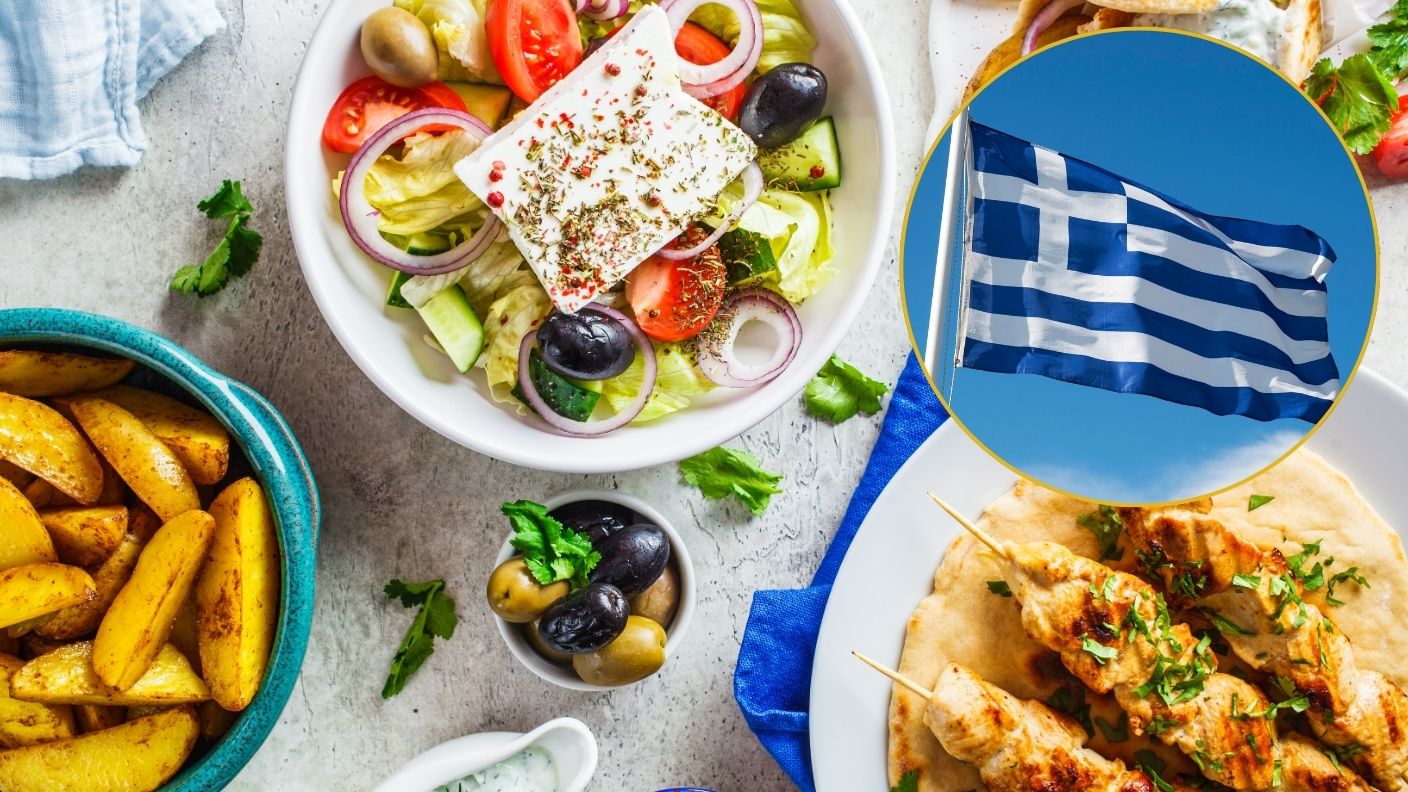

Order a meal on any Greek island and the menu reads the same everywhere, moussaka, souvlaki, spanakopita, a Greek salad piled with feta. It feels like the definitive taste of the country, the kind of food every visitor assumes fills Greek kitchens every single night.
Ask actual Greeks what they eat once the tourists go home, and the picture looks completely different. The gap between the menu and the real dinner table turns out to be bigger than most travelers ever realize.
The Foods On Every Menu Rarely Show Up At Home
According to Greeks discussing the topic themselves, dishes like moussaka and spanakopita are everywhere in restaurants but rarely appear in regular home cooking, functioning more as company food or something reserved for special occasions than a weeknight staple.
Gyros gets singled out even more directly. It is largely considered a Greek American street food inspired by Turkish doner kebab rather than a traditional home recipe, and it is hard to find anyone who actually makes it in their own kitchen.
What Actually Ends Up On A Greek Table
Strip away the tourist menu and the real meals look far simpler. Lentils and chickpeas simmered slowly in olive oil, potatoes finished with lemon, and boiled greens dressed in nothing more than oil and salt are what people describe as genuinely everyday Greek cooking, built around whatever is in season.
Meat plays a much smaller role than most visitors assume too. Traditionally, Greeks went without meat for over 180 days a year, eating mostly vegetarian meals and saving dishes like lamb for holidays and celebrations rather than daily dinners.
The Real Local Secret Isn’t A Recipe At All
Ask a Greek what makes a restaurant meal genuinely good, and the highest compliment has nothing to do with fancy technique. Calling a dish spitiko, meaning homemade, is considered the ultimate praise a restaurant can receive, more meaningful than any menu description.
What matters even more than the recipe itself is who is at the table. As one local explained, meals are always shared with family and friends, and when it comes to precision in the kitchen, Greeks abide by technique but not measurements, treating cooking as instinct rather than something to measure out exactly.
Turns out the real Greek dinner table has very little in common with the laminated menu tourists order from every night. It is quieter, simpler and built around whoever happens to be sitting around it, which might be the most authentic dish of all.
RELATED ARTICLE: Stop Complicating Healthy Eating—Use This Mediterranean Trick
