


A Realistic Family Meal Prep Routine for Nonplanners

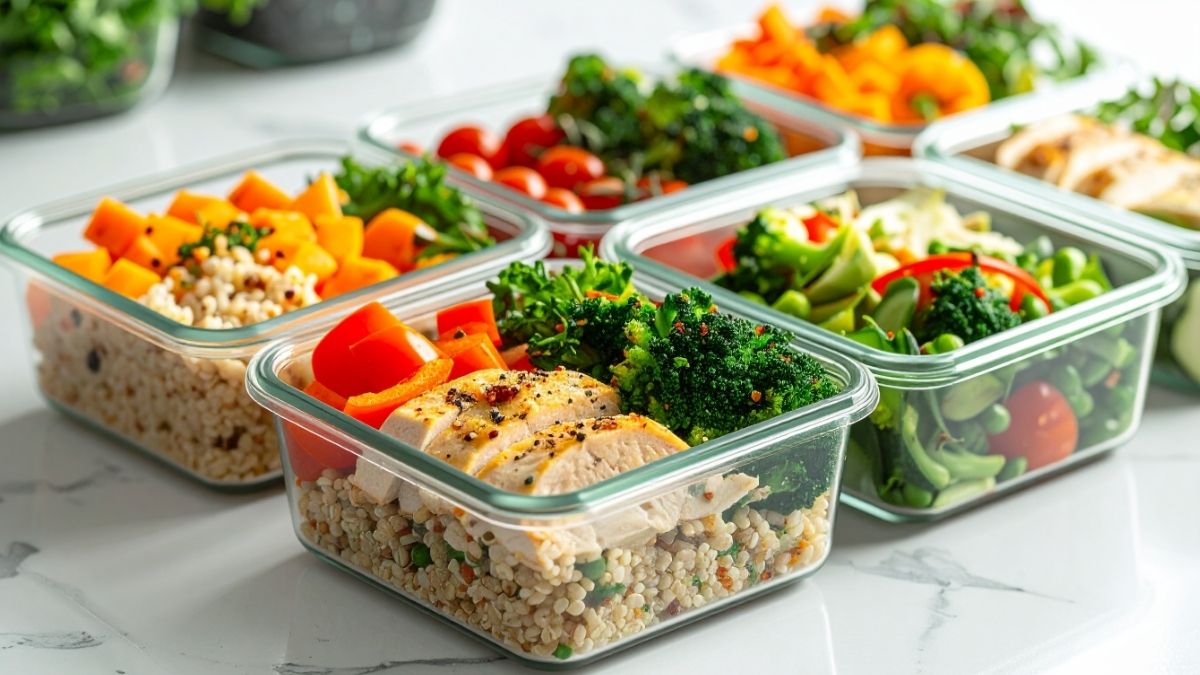

Busy households thrive on systems that feel simple, flexible and repeatable. A practical, family-friendly meal prep routine does not require detailed spreadsheets or hours spent in the kitchen. It works by reducing daily decisions, using familiar ingredients and building habits that fit real schedules. When you focus on consistency instead of perfection, planning becomes a more reliable part of your routine rather than a weekly challenge.
Why a Flexible Meal System Works Better
Highly detailed meal plans are often challenging in real life because they depend on precision in an unpredictable environment. Work schedules shift, children’s needs change and energy levels vary throughout the week. A flexible system succeeds because it absorbs those changes and keeps your routine running smoothly.
A flexible routine focuses on:
- Repetition over constant variety.
- Prepared ingredients for full meals.
- Simple decision-making over detailed planning.
This approach builds consistency. When your system feels manageable, you follow it more often, and that leads to sustainable habits over time.
Start With a Clear Priority: Dinner
Dinner carries the highest decision pressure in most households. By the end of the day, time and energy run low, and everyone’s hungry. When you focus your planning efforts on dinner, you create the biggest impact with the least effort.
Breakfast and lunch often follow natural patterns — toast, fruit, leftovers or quick dishes. Dinner benefits most from structure. Planning four to five meals per week creates a manageable rhythm while leaving space for leftovers or spontaneous meals. This targeted approach reduces mental load and helps you stay consistent without being restricted.
Use a Weekly Meal Template
A meal template removes guesswork while preserving flexibility. Instead of planning specific dishes from scratch each week, assign general categories to each day.
A simple template might include:
- One comfort meal, such as a baked dish or stew.
- One quick skillet or stir-fry meal.
- One pasta or grain-based dish.
- One leftover or remix night.
- One low-effort meal.
This structure supports decision-making. You select meals that fit categories rather than starting from zero. Over time, the template becomes automatic, which saves time and energy.
Build a Reliable Rotation of Meals
Every efficient kitchen relies on a set of dependable meals. Create a list of about 10 dishes your household enjoys and that you can prepare easily.
Examples include:
- Chicken and vegetables
- Rice bowls with protein and greens
- Pasta with tomato or cream-based sauces
- Egg-based meals such as omelets or fried rice
- Tacos or wraps
These meals form your core rotation. They simplify planning, streamline grocery shopping and reduce uncertainty. You spend less time deciding what to cook and more time actually preparing food.
Balanced meals that combine whole grains, protein, fruits and vegetables support overall health and nutrition while remaining simple to prepare. With a reliable rotation, you create dishes that feel both nourishing and practical.
Prepare Ingredients Instead of Full Meals
Ingredient preparation offers flexibility and efficiency. Instead of cooking entire meals in advance, prepare components that you can use for multiple dishes.
Focus on washing and chopping vegetables and cooking grains such as rice or pasta. You can also marinate proteins and prepare sauces or dressings.
This strategy allows you to assemble meals quickly without committing to a single outcome. A handful of prepared ingredients can turn into a variety of dishes depending on your needs. For example, cooked chicken works well in a stir-fry, a wrap or as a salad topping.
Proper storage keeps ingredients fresh and ready to use. When you organize your fridge with prepared components, you make cooking faster and more efficient throughout the week.
Streamline Grocery Shopping
Efficient shopping supports a successful meal prep. A focused grocery plan saves time, reduces waste and keeps your kitchen stocked with essentials.
Follow a simple process. Choose your four to five dinners. Before going to the store, check existing ingredients at home so you only purchase what you need.
This method ensures that every ingredient has a purpose. It also helps you avoid overbuying and keeps your meals aligned with your plan. Household food waste decreases significantly when consumers plan dinners and shop with clear intent. A streamlined list supports both sustainability and cost control.
Plan for Low-Energy Days
Every household experiences days with limited time or energy. A realistic meal prep includes ready-to-use options that require minimal effort.
Keep a selection of:
- Frozen meals or ingredients.
- Shelf-stable pantry items.
- Quick assembly foods, such as wraps or sandwiches.
These options keep your routine steady. They let you serve nutritious options even on demanding days. Including convenience meals within your system creates balance and supports long-term success.
Use Leftovers as a Strategy
Leftovers extend the value of your effort. Instead of repeating the same meal, transform leftovers into new dishes.
For example, roast chicken can be used for tacos or sandwiches. Fill omelets with cooked vegetables, and transform leftover rice into fried rice or grain bowls. This approach reduces the number of times you cook while still offering variety. It also minimizes waste and maximizes ingredient use.
Maintain Flexibility Each Week
A successful routine evolves with your schedule. Weekly adjustments ensure that your system remains relevant and effective.
Consider work commitments, family activities and energy levels. Adjust your meal choices based on your week. Some weeks include more home cooking, while others rely on simpler meals. This flexibility supports consistency and keeps your routine realistic.
A Practical Weekly Routine
A structured yet flexible weekly rhythm keeps meal prep manageable. On the weekend, select four to five dinners, shop for ingredients and prepare key components. During the week, cook three to four meals, using leftovers once or twice. Be sure to include one or two options that are quick to prepare.
This routine balances preparation with flexibility. It provides structure without adding pressure, making it easier to maintain over time.
Make Meal Plan Work for Your Household
Every household operates differently. Tailor your routine to match your preferences, dietary needs and schedule.
Strengthen your system by involving family members in meal selection. Use familiar ingredients, rotate meals regularly and keep preparation steps simple. A practical routine encourages participation and creates a sense of shared responsibility. When everyone contributes, meal prep becomes easier and more enjoyable.
The Long-Term Benefits of a Meal Prep Routine
A realistic meal prep routine supports more than convenience. It improves time management, encourages home cooking and helps you maintain a balanced diet. Over time, small and consistent actions lead to meaningful results.
Preparing ingredients, planning a few meals and staying flexible allow you to build a system that fits your life. A practical, family-friendly meal prep routine focuses on simplicity, structure and adaptability and should fit naturally into your everyday life.
