


Kids’ Vitamins Don’t Always Match Their Labels, Consumer Reports Finds

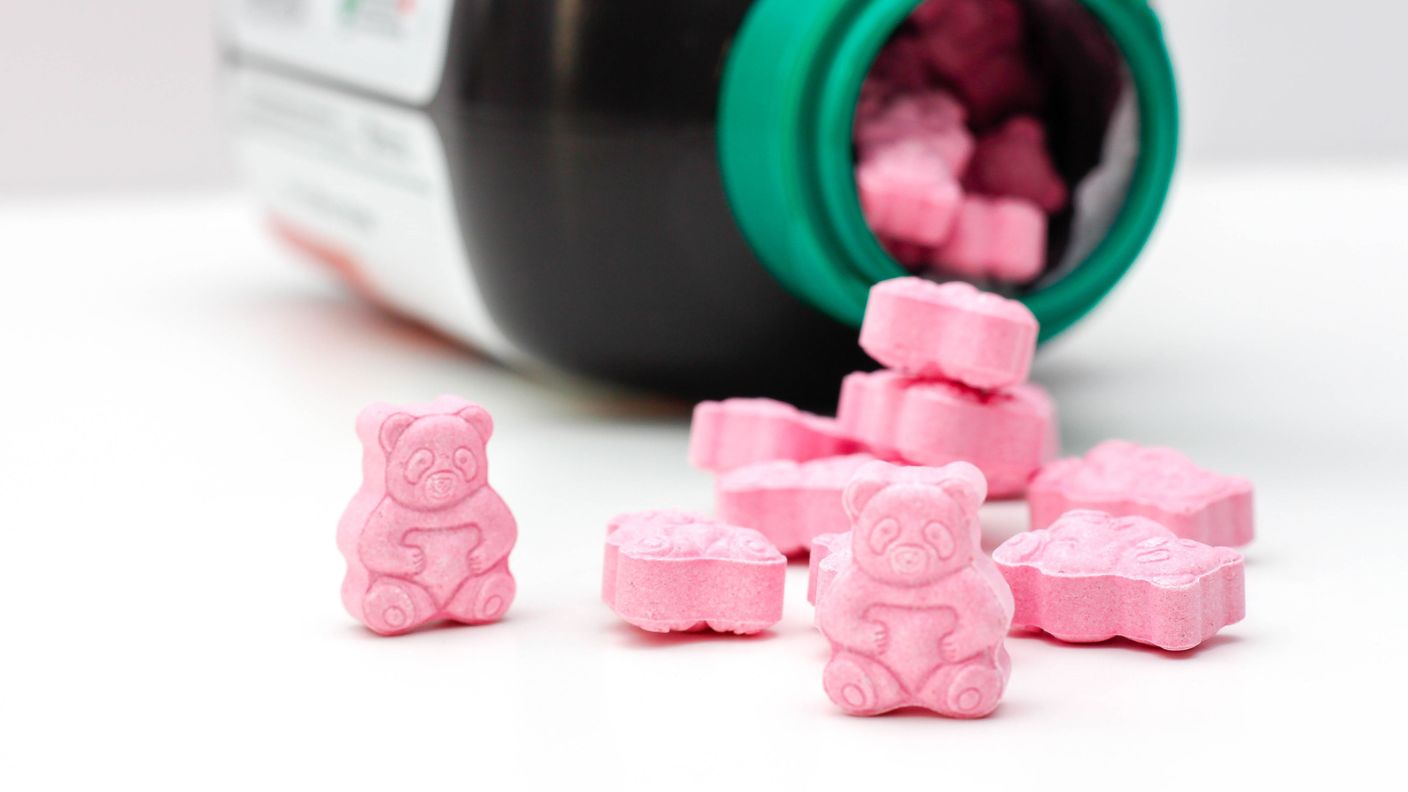
Many parents give their kids a daily gummy vitamin to keep them healthy, especially once cold and flu season starts. But a new investigation shows that what’s printed on the bottle doesn’t always match what’s inside.
Consumer Reports tested 21 children’s vitamins from brands including Flintstones, Hiya, Nature Made and SmartyPants. Every product had at least one nutrient that didn’t match its label.
What the Testing Found
Consumer Reports measured 12 nutrients in each product. These included vitamins A, C, D and E, several B vitamins, iodine and zinc.
Some products had far more than the label promised. In a few cases, a nutrient came in at more than five times the listed amount, News4JAX reported.
Eric Boring, PhD, the chemist who led the testing, said the results can help parents pick a vitamin that more closely matches its label claims.
Which Brands Stood Out
Some popular names showed the biggest gaps. In One A Day Kids Multi Gummies, vitamin C measured 531% of the labeled amount, and folate came in at 504%. Industry standards from the U.S. Pharmacopeia (USP) cap folate at 245%.
Centrum Kids MultiGummies had three nutrients above USP limits. Its vitamin B5 reached 564% of the label, though USP has no set range for B5 in gummies.
Flintstones went the other way. Most of the nutrients tested came in below the USP minimum of 90% of the labeled amount.
Why the Numbers Can Be Off
Companies told Consumer Reports they add extra nutrients on purpose. The practice is known as “overages,” and it helps keep vitamin levels adequate as the product ages on the shelf.
Bayer, which makes One A Day and Flintstones, said its own testing shows nutrients stay within the safe range on the label. The company called CR’s Flintstones result an outlier.
Haleon, the maker of Centrum, said its products go through batch testing both before and after they reach stores. The company said it stands behind their quality and safety.
Heavy Metals Were Found, but at Low Levels
The products were also tested for arsenic, cadmium, lead and mercury. Trace amounts showed up in all 21 vitamins.
The good news is that every product came in well below CR’s level of concern. Consumer Reports says all of the tested vitamins are safe to take or keep taking.
Who Checks These Products?
Many parents assume vitamins go through government testing before they’re sold. They don’t.
The FDA does not approve supplements for safety, effectiveness or labeling before they hit the market. In many cases, companies can sell them without even notifying the agency.
What Parents Should Know
About one in three kids under 19 regularly take a dietary supplement, according to the CDC. Still, the American Academy of Pediatrics says most children don’t need a daily vitamin.
Vitamins can help kids who have a diagnosed deficiency, a very limited diet, certain medical conditions or food allergies. It’s best to talk to your pediatrician before starting one.
If you do buy a vitamin, look for a third-party certification seal on the label. Choose one made for your child’s age and stick to the recommended dose.
Storage matters, too. Gummy vitamins can look and taste like candy, and supplement overdose is among the top five causes of poisoning in children five and under, so keep the bottle out of reach.
