


Black Drip Coffee Tops a Dietitian’s Ranking of the Healthiest Coffee Types

Your daily cup of coffee may be doing more for your health than you realize, but how you brew it and what you add to it matter. A dietitian recently ranked the most popular types of coffee by health value, and a simple, old-fashioned option came out on top.
The ranking, published by Health.com, puts plain black drip coffee in first place. Instant coffee came in last.
Why Drip Coffee Wins
Drip coffee is made by slowly pouring hot water over grounds sitting in a filter. That filter does more than catch the grounds.
It also traps compounds called diterpenes. The main one, cafestol, can raise LDL (“bad”) cholesterol. According to the Center for Science in the Public Interest, cafestol stays behind in a paper filter, while French press and boiled coffees let it pass straight into your cup.
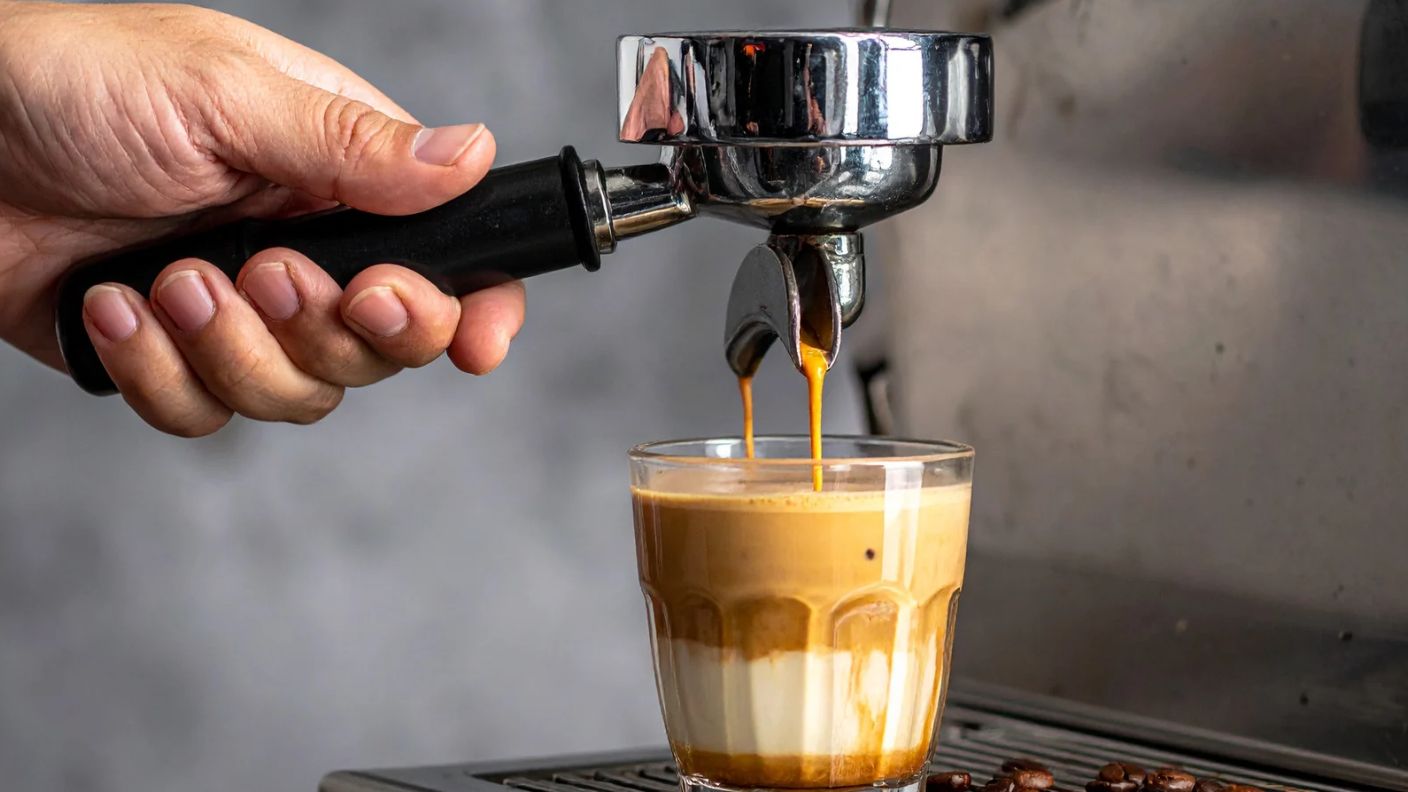
Espresso sits somewhere in the middle. Its brewing process removes about half of the cafestol.
Americano and Espresso Follow Closely
The Americano, an espresso shot diluted with hot water, took second place. Dietitian Stefanski, a spokesperson for the Academy of Nutrition and Dietetics, told Health.com that espresso and Americanos contain more polyphenols than drip coffee when you compare the same amount of liquid.
There’s a catch, though. People usually drink much more drip coffee than espresso, so their total polyphenol intake may still end up higher.
Plain espresso landed in third place. A single 1- to 1.5-ounce shot has roughly half the caffeine of a regular cup of coffee, which may suit people who are sensitive to caffeine, as long as they don’t stack several shots close together.
Milk Choices and Cold Brew
Coffee with plant-based milk came fourth, but its nutrition depends heavily on the milk you pick. Soy milk is the only plant-based option that federal nutrition guidelines treat as a substitute for cow’s milk.
Cold brew took fifth. It’s often marketed as gentler on the stomach, but research doesn’t fully back that up.
A 2018 study in Scientific Reports found that hot and cold brews had similar pH levels. Hot coffee actually showed higher antioxidant activity.
Nitro, Mushroom and Instant Coffee Round Out the List
Nitro cold brew, which gets its creamy texture from nitrogen gas, ranked sixth. Because it’s usually sold in cans, it’s worth reading the label, since some versions contain added sweeteners.
Mushroom coffee came seventh. The dried mushrooms add nutrients like vitamin D and B vitamins, but they also replace some of the coffee, which lowers the caffeine content.
Instant coffee came in last. It still has some antioxidants, but many brands add sugar, powdered milk, or other ingredients.
Roast Level May Also Play a Role
The type of roast could make a difference, too. Korean researchers found that lighter roasts kept more chlorogenic acid, an antioxidant that helped protect cells from damage in lab tests.
Keep in mind that those results came from lab tests, not from people. Long-term benefits in coffee drinkers haven’t been proven.
What You Add Matters Most
Even the healthiest brew can lose its advantage once syrups and whipped cream go in. Federal dietary guidelines list sweetened coffee and tea drinks among the main sources of added sugar.
The FDA has also tightened its definition of “healthy” products. Under its updated rule, coffee can carry a “healthy” label only below five calories per serving, which rules out most sugary and creamy drinks.
How Much Coffee Is Too Much?
For most healthy adults, the FDA considers up to 400 milligrams of caffeine a day safe. That’s roughly four cups of brewed coffee.
If caffeine affects your sleep, decaf is still a good option. Dietitians told TODAY.com that decaf keeps its antioxidant benefits, so you can enjoy a cup later in the day.
