


Should You Rinse Ground Meat Before Cooking? Here’s What Chefs Say

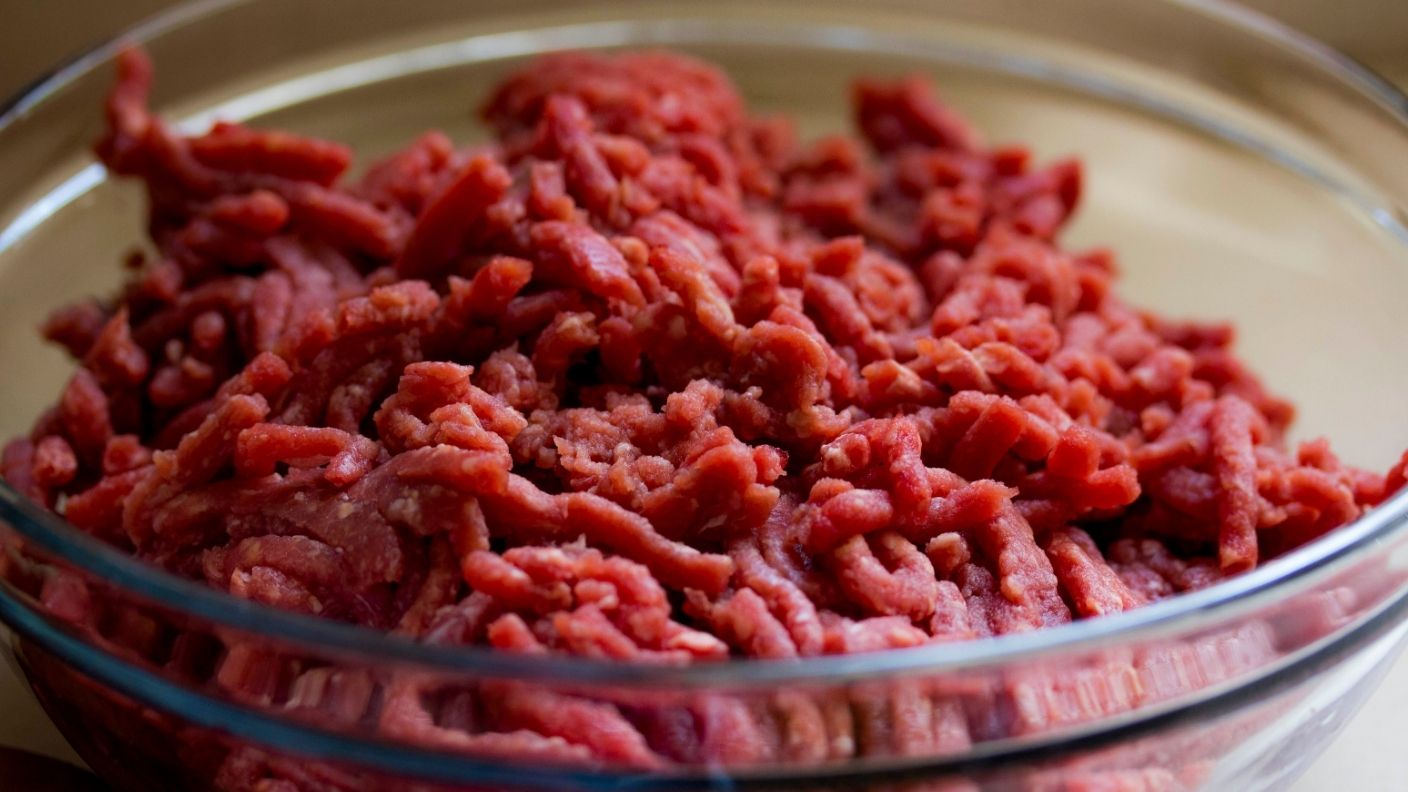
Few kitchen habits spark as much debate as rinsing meat. Some home cooks were taught to give everything a quick wash under the faucet, while others are horrified by the idea.
Ground meat adds another twist to the question, since some people rinse it before cooking and others rinse it after. Food safety experts and professional cooks have strong opinions on both, and the answer depends on when the water comes into play.
Raw and Cooked Are Two Different Questions
When people talk about rinsing ground meat, they usually mean one of two things. Some rinse raw meat before it goes into the pan, thinking it makes the meat cleaner.
Others rinse cooked, crumbled meat in a colander to wash away fat. These two practices have very different effects, so it helps to look at them separately.
Rinsing Raw Meat Spreads Bacteria
Food safety agencies, including the USDA, advise against washing raw meat and poultry. Running water over raw meat doesn’t remove harmful bacteria in a meaningful way.
Instead, splashing water can spread bacteria to the sink, countertops, nearby dishes, and even your clothes. That increases the risk of cross-contamination in your kitchen.
Cooking Is What Makes It Safe
The only reliable way to kill harmful bacteria in ground meat is to cook it to the proper temperature. Ground beef, pork, and lamb should reach an internal temperature of 160°F, while ground poultry needs to hit 165°F.
Using a meat thermometer is the most accurate way to check. Color alone isn’t a reliable sign that ground meat is fully cooked.
Why Some People Rinse Cooked Beef
Some people rinse ground beef after cooking to reduce its fat content. This practice is often recommended for those following very low-fat diets.
After browning the meat, they place it in a colander and pour hot water over it. The water carries away some of the melted fat clinging to the crumbles.
It Really Does Cut Fat
Research has shown that rinsing cooked ground beef with hot water can significantly reduce its fat content. The effect is especially noticeable with higher-fat blends.
For someone carefully limiting fat or calories, that reduction can be meaningful. It can make fattier, less expensive blends closer to leaner options.
Flavor Takes a Hit
Most chefs aren’t fans of rinsing cooked meat. Much of ground beef’s flavor comes from its fat and from the browned bits that form during cooking.
Rinsing washes away seasoning and some of those savory flavors. The result can taste bland and watered-down, especially in dishes like tacos or chili.
Texture Can Change Too
Rinsed meat can become soggy and lose the crisp, browned edges many cooks work hard to create. It may also need extra seasoning to taste right again.
If the meat is going into a sauce, soup, or casserole, the change may be less noticeable. For dishes where texture matters, rinsing is usually a drawback.
Better Ways to Reduce Fat
Choosing a leaner blend, like 90/10 or 93/7, reduces fat without sacrificing as much flavor. Ground turkey or chicken are other options for lighter dishes.
After cooking, tilt the pan and spoon off excess fat, or drain the meat in a colander without adding water. Blotting cooked crumbles with paper towels can also remove extra grease.
Never Pour Grease Down the Drain
Hot grease may look like liquid, but it hardens as it cools and can clog pipes. That’s true whether you rinse meat or simply drain the pan.
Instead, let the grease cool and harden in a can or container, then throw it in the trash. Wiping greasy pans with a paper towel before washing also helps protect your plumbing.
Handle Raw Meat Carefully
Keep raw ground meat separate from ready-to-eat foods, and use a dedicated cutting board when possible. Wash your hands with soap and warm water after handling it.
Clean countertops, sinks, and utensils that touch raw meat. These simple steps do far more to keep your kitchen safe than rinsing ever could.
RELATED ARTICLE: How to Make Ground Meat Taste Better Without Adding a Ton of Ingredients
