


This Amazonian Plant Is Packed With Caffeine — What to Know Before Using It for Energy


Energy products have never been more popular. Shelves are lined with drinks, gummies, powders, and shots promising better focus, longer workouts, and an afternoon pick-me-up without the crash.
Many of them share a common ingredient that comes from deep in the rainforest. It has been used for centuries, but its strength often surprises people who don’t realize how much stimulant it can add to their day.
The Plant: Guarana
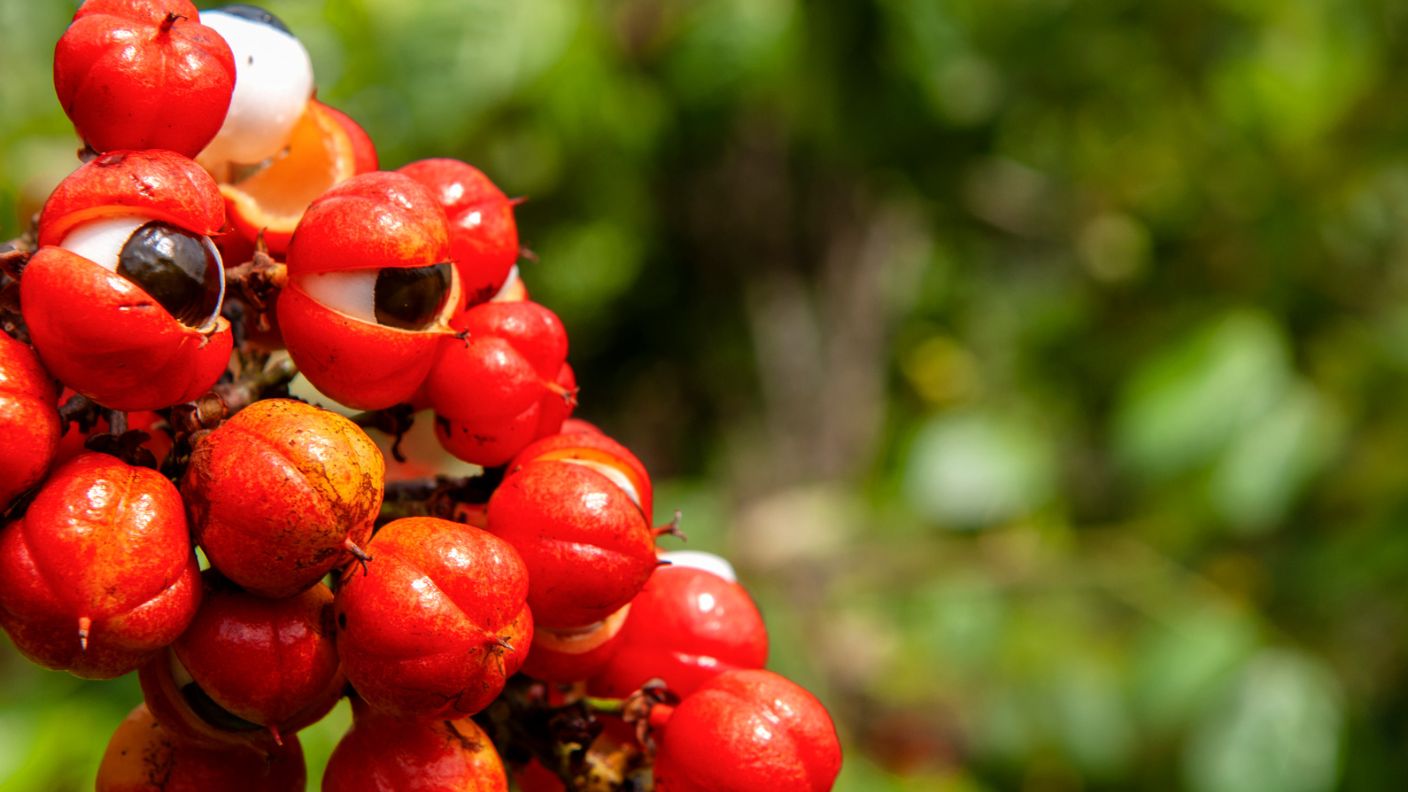
The ingredient is guarana, a climbing plant native to the Amazon basin, particularly in Brazil. Its small, bright red fruits split open to reveal dark seeds that look a bit like eyes.
Those seeds are dried, roasted, and ground into a powder or extract. That powder is what ends up in many energy drinks, supplements, and sodas.
A Long History in the Amazon
Indigenous communities in the Amazon have used guarana for generations. It has traditionally been prepared as a drink to boost energy and stave off fatigue.
Today, guarana is especially popular in Brazil, where guarana-flavored sodas are a national favorite. Its use has spread worldwide as interest in natural energy products has grown.
It Packs More Caffeine Than Coffee Beans
Guarana seeds are naturally rich in caffeine. By weight, they can contain more than twice as much caffeine as coffee beans.
That means even a small amount of guarana extract can deliver a noticeable boost. It’s one reason guarana is so popular in energy products, but also why it’s easy to consume more caffeine than you realize.
It Contains Other Natural Stimulants
Along with caffeine, guarana contains smaller amounts of related compounds like theobromine and theophylline. Theobromine is also found in chocolate and has a milder, longer-lasting effect.
Guarana also contains tannins and other plant compounds. Some people say its energy feels smoother than coffee, though research on whether it truly works differently is limited.
Why It’s in So Many Energy Drinks
Guarana gives manufacturers a natural-sounding way to boost caffeine content. It also adds a slightly bitter, fruity flavor that blends well with sweet drinks.
It often appears alongside other stimulants like added caffeine, green tea extract, or yerba mate. That combination can significantly increase the total stimulant load in a single serving.
What Research Says About Its Effects
Some small studies suggest guarana may improve alertness, reaction time, and mental performance for a short period. These effects are largely attributed to its caffeine content.
There’s also early research on guarana and fatigue, but much of it involves small groups of people. More large, well-designed studies are needed before drawing firm conclusions.
Caffeine Can Hide in the Label
One of the biggest concerns with guarana is that its caffeine content isn’t always obvious. A product may list guarana as an ingredient without clearly showing how much caffeine it adds.
If a drink contains both added caffeine and guarana, the total amount can be higher than expected. Checking labels carefully and looking for products that list total caffeine per serving can help.
Too Much Can Cause Side Effects
High doses of caffeine from guarana can lead to jitteriness, anxiety, headaches, an upset stomach, or a racing heartbeat. It can also make it harder to fall asleep, especially if taken later in the day.
Health authorities generally consider up to about 400 milligrams of caffeine per day safe for most healthy adults. Remember to count all sources, including coffee, tea, soda, chocolate, and supplements.
Who Should Be Careful
People who are pregnant or breastfeeding are usually advised to limit caffeine, often to around 200 milligrams per day. Those with heart conditions, high blood pressure, anxiety disorders, or sleep problems should talk with a doctor before using guarana.
Guarana can also interact with certain medications, including some used for heart conditions, depression, and blood clotting. Children and teens are generally advised to avoid energy drinks altogether.
How to Use It More Safely
If you want to try guarana, start with a small amount and see how your body responds. Avoid combining it with other caffeinated drinks or supplements on the same day.
Try not to consume it late in the afternoon or evening to protect your sleep. And if you notice side effects like a pounding heart or dizziness, stop using it and check in with a healthcare provider.
RELATED ARTICLE: Why Replacing Your Morning Pre-Workout With This Ancient Japanese Drink Changes Everything
