


The Surprising Reason Dietitians Actually Recommend Eating Dark Chocolate Before a Workout

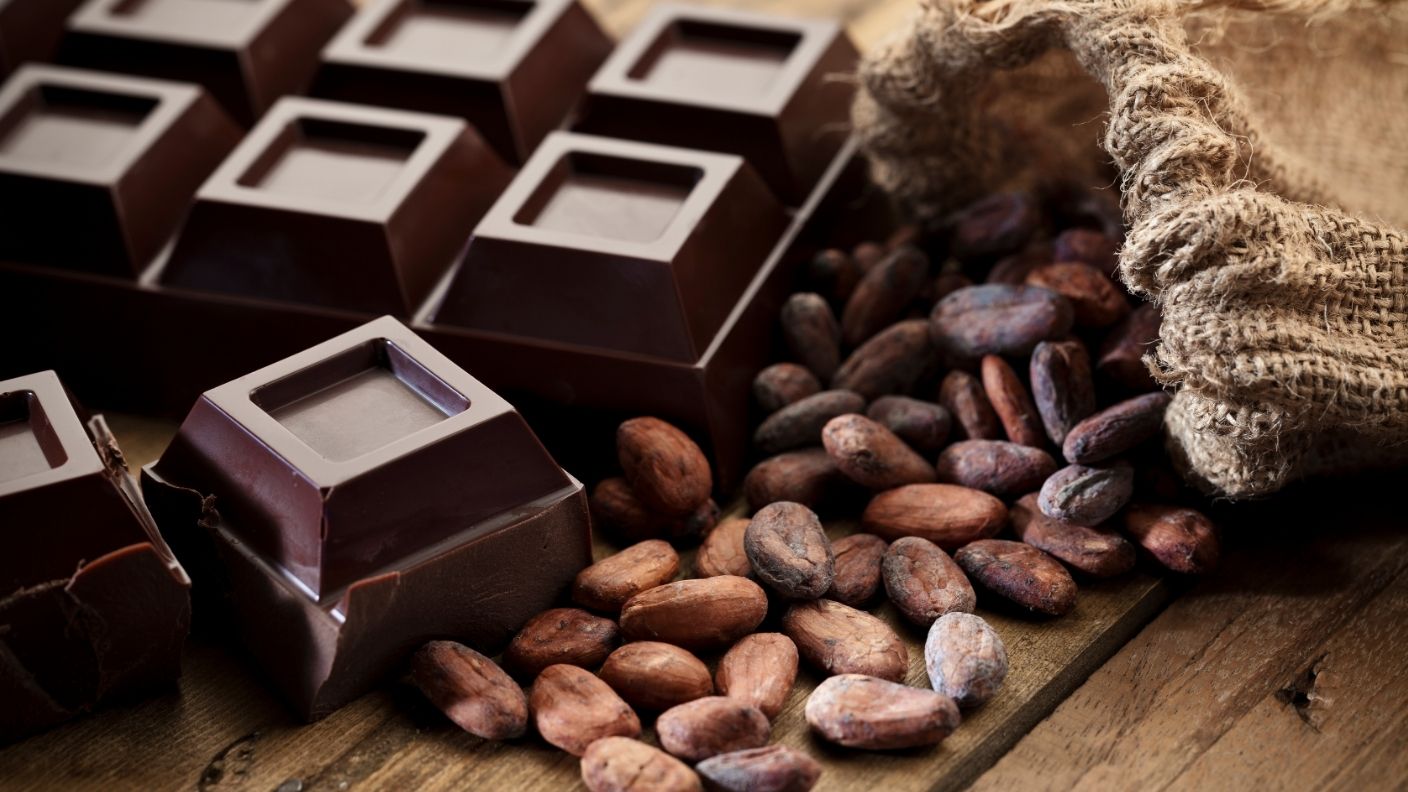

Pre-workout routines usually revolve around energy drinks, bananas, protein bars, or powdered supplements with long ingredient lists. Chocolate rarely makes the list, and most people would probably feel a little guilty reaching for it before heading to the gym.
Yet a small piece of the right kind may be a smarter choice than it sounds. Researchers have found that one compound in particular could help the body work more efficiently during exercise, and the effects go beyond a simple sugar rush.
The Pre-Workout Treat in Question
The food here is dark chocolate, specifically varieties with a high cocoa content. These bars contain far more cocoa solids and far less sugar than milk chocolate.
That distinction matters. The potential benefits come from compounds found naturally in cocoa, so the darker the chocolate, the more of them you’re likely to get.
The Study That Got Researchers Talking
At Kingston University in London, researchers asked amateur cyclists to eat about 40 grams of dark chocolate daily for two weeks. They then compared the riders’ performance with their results after eating white chocolate, which contains no cocoa solids.
After the dark chocolate period, the cyclists used less oxygen while riding at a moderate pace. They also covered more distance during a short, all-out time trial.
Flavanols Help Open Up Blood Vessels
The researchers pointed to epicatechin, a type of flavanol found in cocoa. Flavanols help the body produce nitric oxide, a molecule that relaxes and widens blood vessels.
Wider blood vessels can improve blood flow to working muscles. That’s the same basic idea behind beetroot juice, another popular natural pre-workout drink.
Muscles May Use Oxygen More Efficiently
Using less oxygen at the same pace means the body is working more efficiently. Over the course of a workout, that could make moderate exercise feel slightly easier.
For endurance activities like cycling, running, or long walks, efficiency adds up. Feeling less winded at the same effort can help you go a little longer or push a little harder.
A Gentle Lift From Natural Stimulants
Dark chocolate contains small amounts of caffeine along with theobromine, a related compound with a milder, longer-lasting effect. Together, they can offer a subtle boost in alertness.
The amount is far less than in a cup of coffee or most pre-workout drinks. That makes dark chocolate a gentler option for people who feel jittery with stronger stimulants.
Quick Energy Without Going Overboard
A small square of dark chocolate provides some carbohydrates, which muscles use as fuel during exercise. It also contains fat, which slows digestion a little and helps the energy last.
That combination can be handy before a moderate workout. It’s not a replacement for a full meal before long or intense training, but it can serve as a satisfying small snack.
Magnesium Supports Muscle Function
Dark chocolate is a surprisingly good source of magnesium. This mineral plays a role in muscle contraction, nerve signaling, and energy production.
Many people don’t get enough magnesium through their diets. A small portion of dark chocolate, alongside foods like nuts, seeds, and leafy greens, can help fill that gap.
Choose the Right Kind
Look for dark chocolate with at least 70 percent cocoa. Higher percentages generally contain more flavanols and less sugar.
Processing matters too. Chocolate labeled “Dutch-processed” or “alkalized” may have fewer flavanols, so less processed bars tend to be a better pick.
Keep the Portion Small
The cyclists in the study ate about 40 grams per day, which is roughly the size of a small bar. Many experts suggest starting with even less, around a few squares.
Dark chocolate is calorie-dense, so portion size counts. Eating too much right before exercise could also leave you feeling heavy or sluggish.
Timing Makes a Difference
Eating a small piece about 30 to 60 minutes before exercise gives your body time to start digesting it. That window helps you avoid stomach discomfort once you start moving.
Pairing it with a piece of fruit, like a banana or a few strawberries, adds quick carbohydrates and makes a balanced pre-workout snack.
Who Should Be Careful
People who are sensitive to caffeine may still notice effects from dark chocolate, especially with very high-cocoa bars eaten later in the day. It can also trigger heartburn or reflux in some people.
The research on dark chocolate and exercise is still limited and based on small studies. It’s best viewed as a pleasant, potentially helpful option rather than a guaranteed performance booster.
RELATED ARTICLE: Why Replacing Your Morning Pre-Workout With This Ancient Japanese Drink Changes Everything
