


How to Create a Functional Kitchen for Everyday Cooking

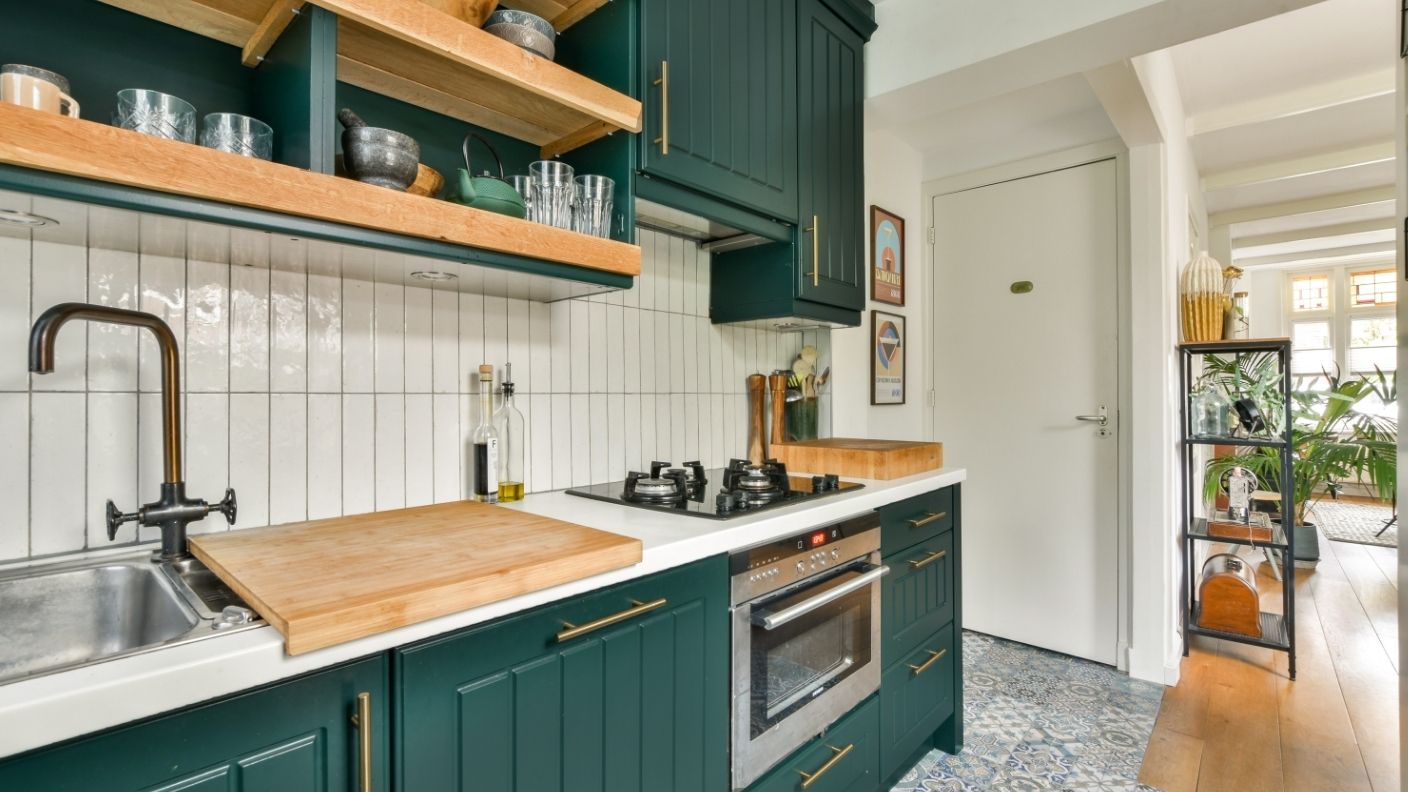

A well-designed kitchen can make everyday cooking easier, faster, and more enjoyable. Whether you prepare simple breakfasts, experiment with new recipes, or cook elaborate dinners for friends, the layout of your kitchen influences how efficiently you can work. Even in a small space, thoughtful organization and the right appliances can transform the cooking experience.
1. Start With a Practical Kitchen Layout
The first step in designing a functional kitchen is deciding where to place the main work areas. The refrigerator, sink, and cooktop should be positioned to allow smooth movement between storing ingredients, washing produce, and preparing meals.
In smaller kitchens, every centimeter matters. Corner cabinets can provide additional storage, while drawers make pots, pans, and cooking utensils easier to access. Keeping frequently used items close to the preparation area also reduces unnecessary movement during busy cooking sessions.
The goal is to create a layout that supports your daily habits rather than simply following the latest design trends.
2. Choose Appliances That Match Your Cooking Habits
Kitchen appliances should reflect the types of meals you prepare most often. An induction cooktop is a practical option for people who want precise temperature control and quick heating. An oven is useful for baking bread, roasting vegetables, and preparing complete meals with minimal supervision.
A dishwasher can also make a significant difference for households that cook regularly. Meanwhile, a built-in microwave can save counter space and provide a convenient way to reheat leftovers or prepare quick meals.
Before purchasing appliances, consider their dimensions, energy consumption, and compatibility with your kitchen cabinets. A carefully selected combination of equipment can be more useful than a kitchen filled with appliances you rarely use.
3. Organize Ingredients for Faster Meal Preparation
An organized kitchen makes it easier to prepare balanced meals without spending too much time searching for ingredients. Store dry goods such as rice, pasta, flour, and lentils in clearly labeled containers. Keep spices near the cooking area and group similar ingredients together.
Fresh produce should be stored according to its needs. Some fruits and vegetables benefit from refrigeration, while others are better kept at room temperature. Understanding these differences can help reduce food waste and keep ingredients fresh for longer.
Meal planning is another useful strategy. Preparing a shopping list before visiting the supermarket helps prevent unnecessary purchases and ensures that essential ingredients are available throughout the week.
4. Make Counter Space Work Harder
A clear work surface provides more room for chopping vegetables, mixing ingredients, and assembling meals. However, maintaining an organized counter does not mean removing every useful object.
Keep essential tools, such as a cutting board, a knife block, or a utensil holder, within easy reach. Less frequently used equipment can be stored in cabinets to free up space.
If your kitchen is small, consider extending the worktop where possible or adding a compact table that can serve as an additional preparation area. Good lighting above the counter is equally important, especially when working with sharp knives or following detailed recipes.
5. Build a Kitchen That Encourages Healthy Cooking
A functional kitchen can also influence the way people eat. When fresh ingredients are easy to access and cooking equipment is convenient to use, preparing meals at home becomes less complicated.
Keep vegetables, fruit, whole grains, legumes, and other staple ingredients readily available. A blender can help with smoothies and soups, while a good baking tray makes roasted vegetables and homemade snacks easier to prepare.
Simple routines can also make a difference. Washing vegetables in advance, preparing ingredients for several meals, and storing leftovers in reusable containers can save time on busy weekdays.
The same principle applies to leisure activities at home. After preparing dinner, some people prefer watching a film, reading, or following their favorite sports. NFL fans may enjoy discussing promising rookies and comparing their performances throughout the season. For readers interested in the Offensive Rookie of the Year race, according to BetNow, the latest odds provide another way to follow the competition as the season progresses.
6. Combine Style With Easy Maintenance
A kitchen should look appealing, but it also needs to withstand everyday use. Worktops should be durable and easy to clean, while cabinet finishes should suit the amount of maintenance you are willing to do.
Neutral colors can make a small kitchen feel more spacious, and reflective surfaces can help distribute natural light. At the same time, practical details such as accessible storage, comfortable handles, and sufficient lighting often have a greater impact on daily convenience than decorative features.
Choose materials based on their durability, cleaning requirements, and compatibility with your cooking habits.
7. Keep Your Kitchen Adaptable
Cooking routines change over time. You might start baking more often, experiment with vegetarian recipes, or begin preparing meals for a larger household. A flexible kitchen design makes these changes easier to accommodate.
Adjustable shelves, modular organizers, and multipurpose appliances can help you adapt without renovating the entire room. Leaving some storage space available for future needs is also a sensible decision.
Ultimately, the best kitchen is not necessarily the largest or the most expensive. It is the one that supports your routine, keeps ingredients and equipment organized, and makes preparing meals a comfortable part of everyday life.
Final Thoughts
Creating a functional kitchen requires a balance between layout, appliances, storage, and personal preferences. By organizing ingredients carefully, maximizing counter space, and choosing equipment that suits your cooking habits, you can build a space that makes everyday meals easier to prepare.
A practical kitchen does more than improve efficiency. It encourages experimentation, reduces unnecessary waste, and creates a welcoming environment for enjoying food at home.
