


Why Your Thanksgiving Turkey Comes Out Dry and How to Prevent It

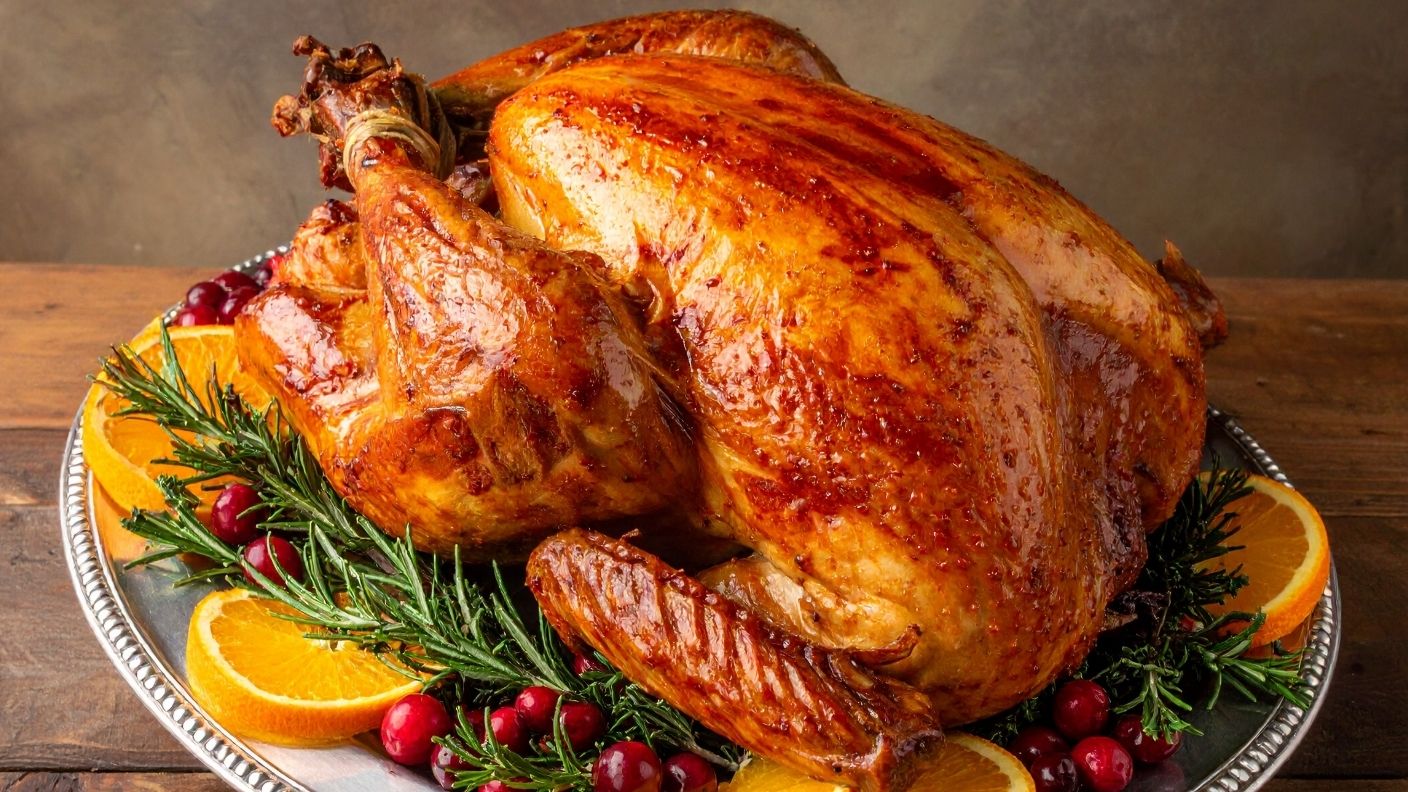
Thanksgiving dinner comes with a lot of pressure, and most of it lands on one dish. Hours of shopping, thawing, and roasting all build toward the moment the turkey gets carved in front of the whole family.
Then the first slice hits the plate, and it’s dry enough to need a second helping of gravy just to get it down. It’s one of the most common holiday kitchen letdowns, but the causes are surprisingly predictable, and so are the fixes.
Overcooking Is the Biggest Culprit
The most common reason for dry turkey is simply leaving it in the oven too long. Once the breast meat climbs well past a safe temperature, it starts squeezing out moisture and turns stringy.
The only reliable way to avoid this is an instant-read meat thermometer. Check the thickest part of the breast and the innermost part of the thigh, without touching bone, and make sure the turkey reaches 165°F throughout.
The Pop-Up Timer Can Mislead You
Many turkeys come with a plastic pop-up timer stuck in the breast. It seems convenient, but these timers often pop only after the meat has already gone past the ideal point.
They also measure just one spot, which may not reflect the rest of the bird. Treat the pop-up as a backup at best and trust a thermometer instead.
White and Dark Meat Cook Differently
Turkey breasts and thighs don’t finish at the same pace. Dark meat contains more fat and connective tissue, so it tastes best when it’s cooked a bit beyond 165°F, while lean breast meat dries out quickly once it gets there.
Some cooks shield the breast with foil for part of the roasting time to slow it down. Others start the turkey breast-side down, then flip it partway through so the thighs get more direct heat.
Spatchcocking Evens Things Out
Spatchcocking means cutting out the backbone and pressing the turkey flat before roasting. This puts the breasts and thighs at a more even level, so they cook more uniformly.
It also cuts cooking time significantly. A flattened turkey often roasts in well under half the time of a whole bird, which gives the breast less opportunity to dry out.
Skipping the Brine
A turkey that goes straight from the package to the oven has nothing extra working to keep it moist. Brining helps the meat hold onto more of its natural juices as it cooks.
A dry brine is the easiest option. Rub the turkey all over with kosher salt, then refrigerate it uncovered for one to three days, which seasons the meat deeply and helps the skin crisp up too.
Basting Too Often
Basting feels like it should keep the turkey juicy, but it doesn’t actually add much moisture to the meat. Most of the liquid simply runs off the skin.
Opening the oven door over and over also lets heat escape, which drags out the cooking time. A longer stay in the oven can dry out the meat more than basting could ever help.
Stuffing the Bird Works Against You
Cooking stuffing inside the turkey means the stuffing must also reach 165°F to be safe. By the time the center of the stuffing gets there, the breast meat is often overcooked.
Baking the stuffing in a separate dish solves the problem. It also gives the stuffing a crispier top, while the turkey cooks faster and more evenly.
Cooking at the Wrong Temperature
An oven set too low can stretch out roasting time, while one that’s too hot can burn the skin before the inside is done. Food safety experts recommend roasting turkey at no lower than 325°F.
Some cooks start with a higher temperature for the first 30 minutes to brown the skin, then lower the heat for the remainder. Whatever method you choose, the thermometer reading matters more than the clock.
Carving Too Soon
Slicing into the turkey the moment it leaves the oven lets its juices pour out onto the cutting board. That’s a fast way to end up with dry slices, even if the bird was cooked perfectly.
Let the turkey rest for at least 20 to 30 minutes, loosely covered with foil. This gives the juices time to redistribute through the meat, and the bird will stay warm enough for serving.
Slicing the Breast the Wrong Way
How the breast is carved affects how moist each bite tastes. Thin slices cut along the length of the muscle can feel dry and stringy.
Instead, remove each breast half from the bone in one piece, then slice it crosswise into thick pieces. Cutting across the grain keeps each slice tender and helps it hold onto its juices.
RELATED ARTICLE: Want Restaurant-Style Meals at Home? These 7 Kitchen Tricks Can Help
