


What $25 of Groceries Looked Like 20 Years Ago vs. What It Buys Today

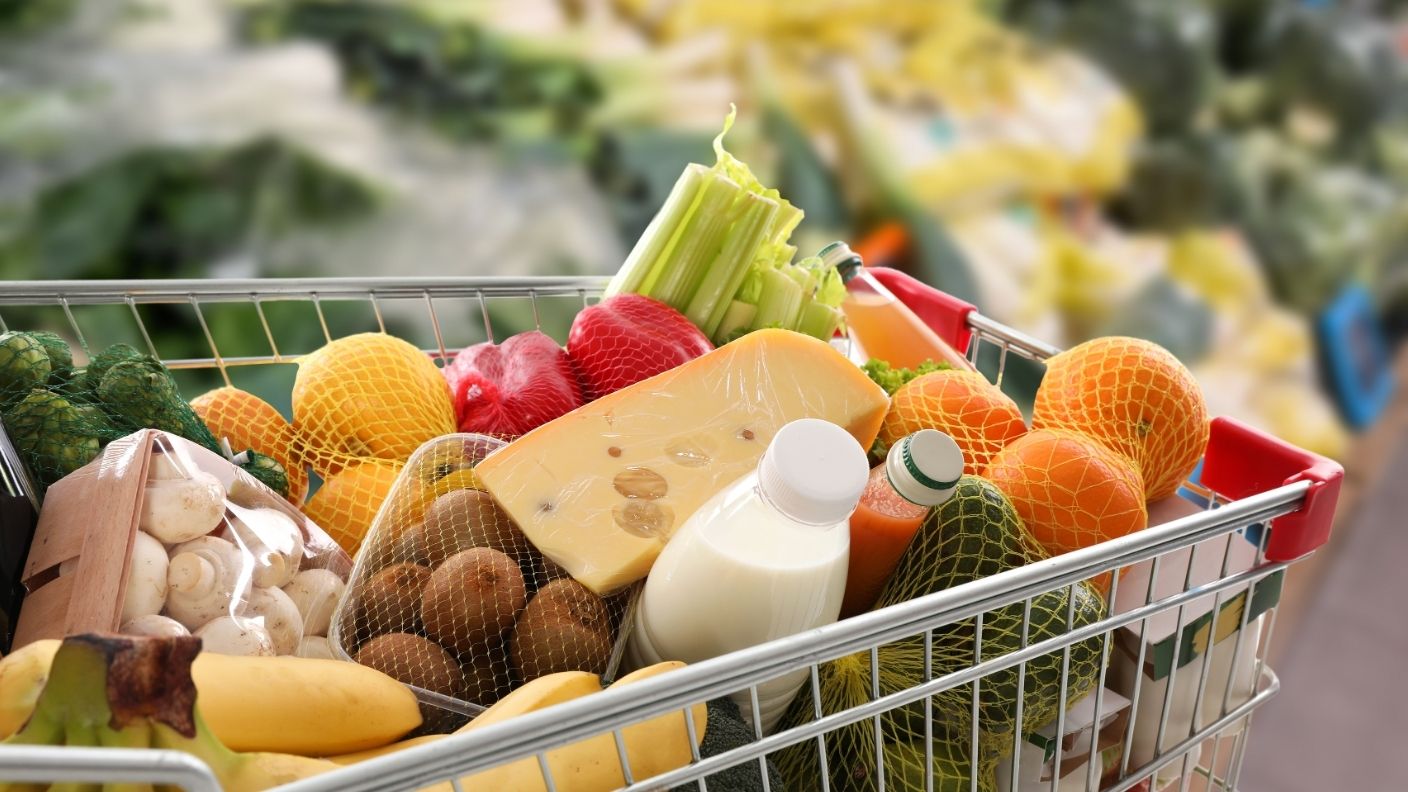

Almost everyone has had the same moment at the checkout lane. The cart doesn’t look especially full, yet the total on the screen seems to keep climbing past what feels reasonable.
To see how much has really changed, it helps to look at actual numbers. Using average U.S. grocery prices tracked by the Bureau of Labor Statistics, here’s what a simple $25 shopping trip looked like in 2006, and what that same money gets you in fall 2026.
The 2006 Cart
In 2006, $25 could fill a cart with a solid week of basics. Based on that year’s average prices, it covered a dozen eggs, a gallon of whole milk, a loaf of white bread, 2 pounds of ground beef, and 2 pounds of boneless chicken breast.
It also stretched to 2 pounds of bananas, a 3-pound bag of potatoes, a pound of ground coffee, 2 pounds of rice, a pound of spaghetti, and a pound of sugar. The total came to about $24.76.
The Same Cart Today
Buying those exact same items at September 2026 average prices costs roughly $48.45. That’s nearly double the 2006 total for the very same groceries.
For comparison, overall prices across the economy rose about 67 percent over the same period. This particular basket jumped faster than that, mainly because a few staples climbed far more than everything else.
What $25 Buys Now
With $25 today, the cart looks noticeably thinner. You can still get the eggs, milk, bread, bananas, and potatoes, along with a pound of rice.
But the meat gets cut in half, with just 1 pound of ground beef and 1 pound of chicken breast. Coffee, spaghetti, and sugar no longer fit, and the total lands around $24.61.
Ground Beef Took the Biggest Leap
Ground beef averaged about $2.22 per pound in 2006. By September 2026, it had climbed to roughly $6.79 per pound, more than three times higher.
Even after adjusting for inflation, ground beef is up more than 80 percent, the biggest increase among tracked grocery items. Smaller cattle herds and strong demand have kept beef prices high for several years.
Coffee Nearly Tripled
A pound of ground coffee cost around $3.20 in 2006. Today, the average price is about $9.33.
That’s one of the steepest increases at the grocery store, outpacing inflation by more than 70 percent. Poor harvests in major growing regions and higher import costs have pushed prices up sharply in recent years.
Chicken Actually Got Cheaper
Not every price story is bad news. Boneless chicken breast averaged about $3.30 per pound in 2006 and sits around $4.20 today.
That sounds higher, but it’s actually about 24 percent cheaper than 2006 once inflation is factored in. That makes chicken one of the better protein values in the store compared with beef.
Eggs Are Back to Normal
Eggs made headlines over the past few years when bird flu outbreaks sent prices soaring. A dozen cost about $1.31 in 2006 and averages around $2.27 now.
After adjusting for inflation, eggs are roughly where they were two decades ago. After the price spikes of recent years, that’s a welcome return to normal.
Milk Is a Quiet Bargain
A gallon of whole milk averaged about $3.08 in 2006. Today it’s around $4.11.
That may not feel cheap, but it’s about 20 percent lower than 2006 prices after inflation. Milk has quietly become one of the better deals in the dairy case.
Bread Barely Changed
A pound of white bread cost about $1.08 in 2006 and averages around $1.83 now. That rise lines up almost exactly with overall inflation.
In real terms, bread costs about the same as it did 20 years ago. It remains one of the most affordable staples on the shelf.
Bananas Stayed Remarkably Cheap
Bananas averaged about 50 cents per pound in 2006. Today they’re around 66 cents per pound.
After inflation, bananas are actually about 22 percent cheaper than they were two decades ago. They remain one of the least expensive fruits you can buy.
How to Stretch $25 Further Today
Leaning on items that have held their value, like chicken, eggs, milk, bananas, rice, and bread, helps make a tight budget go further. Dried beans, lentils, and frozen vegetables are also budget-friendly ways to bulk up meals.
Buying beef when it’s on sale and freezing it can soften the blow of high prices. Store brands, bulk staples, and planning meals before shopping all help make each dollar count.
RELATED ARTICLE: 9 Grocery Store Foods That Can Help You Save Money
