


Why Fitness Experts Are Begging You to Stop Ordering Egg White Omelets

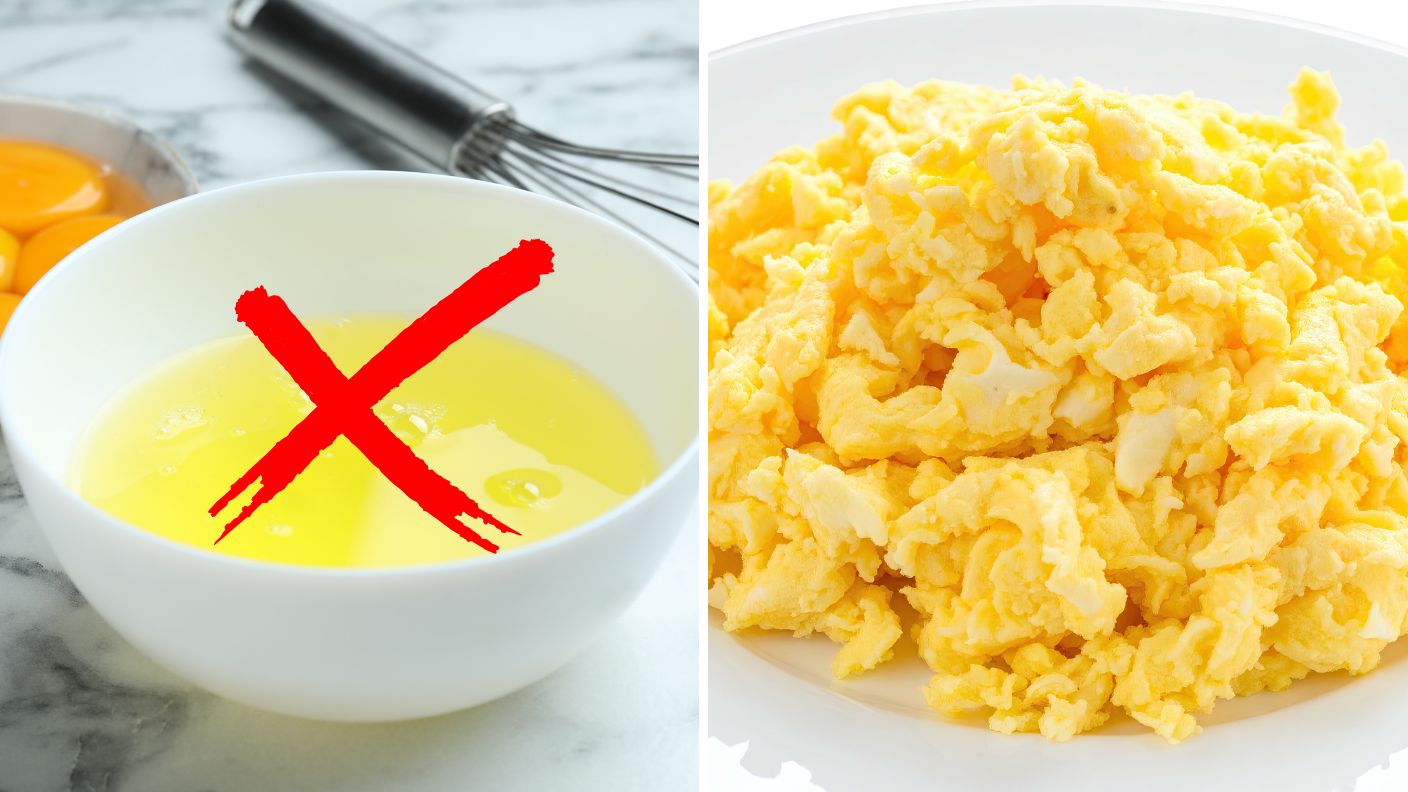

For years, the egg white omelet has been the go-to order for anyone trying to eat clean. It shows up on gym-goer meal plans, diner menus, and hotel breakfast buffets as the virtuous alternative to a regular plate of eggs.
The logic seemed simple enough: keep the protein, ditch the fat and cholesterol. But a growing number of trainers and nutrition pros now argue that tossing the yellow part is one of the most overrated health moves around, and the reasons go well beyond flavor.
The Yolk Holds Much of the Protein
Many people assume all of an egg’s protein lives in the white. In reality, the yolk provides a sizable share, roughly 40 percent of the egg’s total protein.
Skipping it means giving up a meaningful amount of the very nutrient most people are trying to get more of. An omelet made from whites alone needs extra eggs just to make up the difference.
Whole Eggs May Build Muscle Better
Research has found that whole eggs may be better for muscle growth than egg whites alone. In one study, people who ate whole eggs after strength training had a greater muscle-building response than those who ate the same amount of protein from egg whites.
Researchers think the yolk’s nutrients, including its fats, vitamins, and minerals, help the body make better use of protein. For anyone lifting weights, that’s a strong reason to keep the whole egg.
The Vitamins Live in the Yolk
Egg whites are mostly protein and water. The yolk, on the other hand, is packed with nutrients like vitamins A, D, E, and B12, along with folate, iron, and selenium.
It’s also one of the few natural food sources of vitamin D, which supports bone health and immune function. Tossing the yolk means tossing most of the egg’s vitamin and mineral content.
Choline Supports Your Brain
Egg yolks are one of the richest sources of choline, a nutrient involved in memory, mood, muscle control, and nerve signaling. Nearly all of an egg’s choline is found in the yolk.
Many people don’t get enough choline from their diets. It’s especially important during pregnancy, when it supports fetal brain development.
Yolks Help Protect Your Eyes
Egg yolks contain lutein and zeaxanthin, two antioxidants that collect in the eye and help filter harmful blue light. They’re linked to a lower risk of age-related eye conditions like macular degeneration.
The fat in the yolk also helps the body absorb these compounds efficiently. That makes whole eggs a particularly good source compared with many vegetables.
Cholesterol Fears Are Outdated
Egg yolks got a bad reputation mainly because of their cholesterol content. But research over the past couple of decades has shown that, for most people, dietary cholesterol has a smaller effect on blood cholesterol than once believed.
U.S. dietary guidelines dropped their strict daily cholesterol limit years ago, and saturated fat and overall eating patterns matter more. People with diabetes, heart disease, or very high LDL may still want to check with their doctor about how many eggs fit their diet.
Whole Eggs Keep You Fuller
The yolk’s fat and nutrients help slow digestion, which keeps you satisfied longer. An egg white omelet can feel light at first but may leave you hungry sooner.
Feeling hungry an hour after breakfast often leads to snacking. A whole-egg breakfast can make it easier to get to lunch without reaching for something sugary.
Restaurant Versions Aren’t Always Lighter
Ordering egg whites at a restaurant doesn’t guarantee a low-calorie meal. Many kitchens cook them in plenty of butter or oil, then fill them with cheese and serve them alongside buttered toast or potatoes.
By the time it reaches the table, the calorie savings from skipping the yolks may be gone. Choosing what goes inside the omelet often matters more than which part of the egg is used.
When Egg Whites Still Make Sense
Egg whites aren’t bad. They’re a lean, convenient protein source for people who need lots of protein with fewer calories, such as athletes cutting weight or those following specific medical advice.
A smart compromise is to mix one or two whole eggs with a few extra whites. You’ll get the yolk’s nutrients and richer flavor while keeping calories and fat a little lower.
RELATED ARTICLE: What Happens to Your Body When You Eat Two Eggs Every Single Day
