


Why Some People Think Cilantro Tastes Like Soap—and Others Taste Nothing Strange

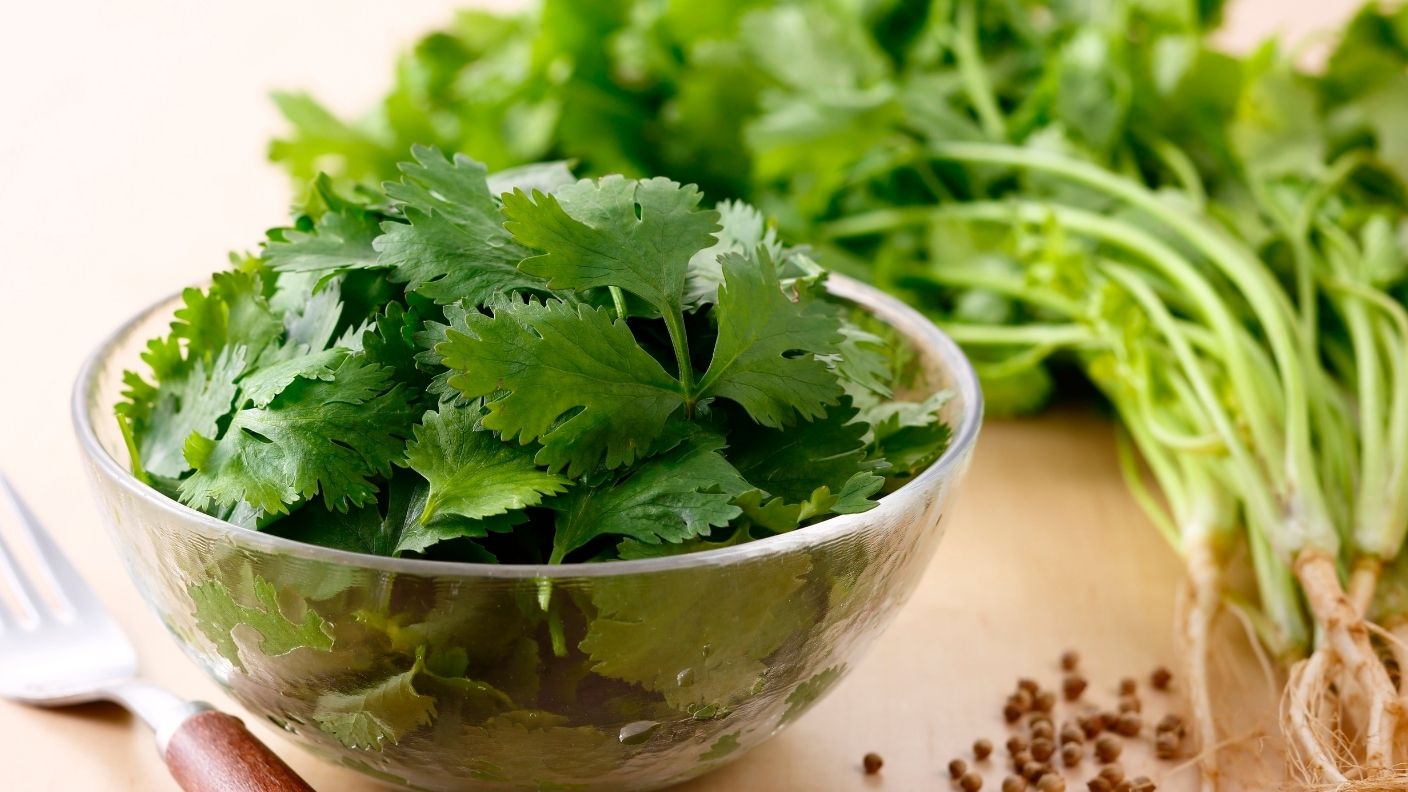

Few herbs divide a dinner table quite like cilantro. For some people, a handful of fresh leaves is what makes salsa, pho, or a curry taste bright and complete.
For others, that same handful ruins the entire dish. They swear it tastes like a mouthful of dish soap, and they’ll pick out every last speck before taking another bite. The reason for that split has turned out to be more scientific than anyone expected.
Cilantro Contains Soap-Like Compounds
Cilantro’s distinctive aroma comes largely from a group of compounds called aldehydes. Several of the aldehydes found in fresh cilantro leaves are also present in soaps, lotions, and some cleaning products.
That overlap is the key to the whole debate. Depending on how a person’s nose responds to those compounds, cilantro can come across as fresh and citrusy or unmistakably soapy.
Smell Does Most of the Work
What people describe as cilantro’s “taste” is mostly its aroma. As you chew, scent molecules travel from the back of the mouth up into the nose, where they shape how flavor is perceived.
That’s why the soapy reaction can feel so strong. If your nose zeroes in on the soap-like aldehydes, your brain experiences the herb as tasting like soap, even though it’s smell doing most of the talking.
A Specific Gene Plays a Role
In a large genetic study, researchers compared tens of thousands of people who either liked cilantro or described it as soapy. They found a genetic variation linked to the soapy perception near a smell receptor gene called OR6A2.
That receptor is especially sensitive to aldehydes, including the ones in cilantro. People carrying certain versions of the gene may be more likely to pick up the soapy notes strongly.
Twins Offer More Clues
Studies of twins have added support for a genetic link. Identical twins, who share nearly all their DNA, were more likely to agree on whether they liked cilantro than fraternal twins.
Still, genes don’t explain everything. Researchers believe the trait is influenced by more than one gene, along with personal experience and food culture.
The Dislike Varies by Background
Research has found that the share of people who dislike cilantro differs across ancestral groups. In one study, cilantro aversion was most common among people of East Asian and European descent.
It was much less common among people of South Asian, Hispanic, and Middle Eastern descent. Those are also cuisines where cilantro is used heavily, suggesting that both genetics and familiarity likely play a part.
Exposure Can Change Your Mind
Some people who once disliked cilantro find it more tolerable over time. Repeated exposure, especially in dishes where the herb blends in with other strong flavors, can help the brain reframe the aroma.
The soapy smell doesn’t necessarily disappear. But once it becomes linked with a delicious taco or a comforting bowl of soup, many people start to see it in a more positive light.
Crushing the Leaves Can Help
How cilantro is prepared makes a difference. Crushing or finely chopping the leaves releases enzymes that help break down some of the aldehydes responsible for the soapy aroma.
That’s why cilantro blended into pesto, chutney, or sauce often tastes milder than whole leaves scattered on top. Adding it to hot dishes and cooking it briefly can also soften its sharpest notes.
Even Famous Chefs Have Hated It
Cilantro haters are in good company. The legendary American cook Julia Child was famously open about her dislike, saying she would pick it out of her food and toss it aside.
Her honesty made many home cooks feel better about their own reaction. It also shows that disliking cilantro has nothing to do with being a picky eater.
Easy Substitutes for Cilantro
If cilantro tastes like soap to you, a few herbs can stand in. Flat-leaf parsley offers a similar fresh, green look and works well in salsas and salads.
Mint, basil, or a mix of parsley with a squeeze of lime and a little lime zest can recreate some of cilantro’s brightness. In cooked dishes, chopped green onions add color and freshness without any soapy surprise.
RELATED ARTICLE: Is Smell Really More Responsible For “Taste” Than Your Tongue Is?
