


What Happens to Your Brain and Metabolism When You Mix Berries With Walnuts

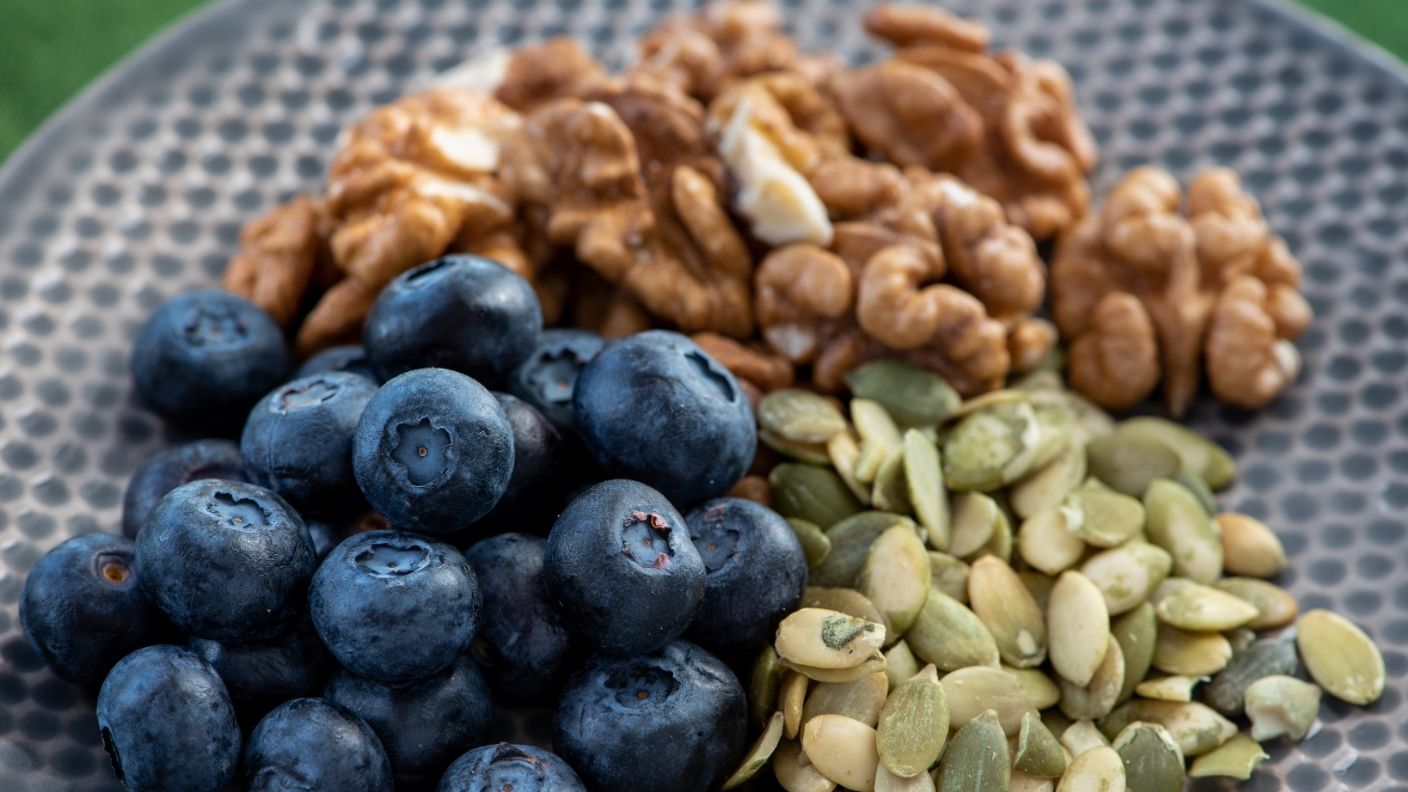

Some food pairings just make sense. Peanut butter and jelly, tomatoes and basil, coffee and a little something sweet on the side.
Berries and walnuts are a quieter duo, the kind that shows up on yogurt bowls and oatmeal without much fanfare. Yet each one has drawn serious scientific attention on its own, and together they bring out some interesting effects worth knowing about.
Each Food Brings Something Different
Berries are rich in anthocyanins, the pigments that give blueberries, blackberries, and raspberries their deep colors. They also deliver fiber, vitamin C, and natural sweetness with relatively few calories.
Walnuts provide healthy fats, protein, magnesium, and their own set of plant compounds called polyphenols. Most notably, they’re the only common nut that’s a significant source of plant-based omega-3 fat.
Berries Are Linked to Sharper Memory
Long-term research has connected berry intake with slower mental decline. In one large study of women, those who ate the most blueberries and strawberries appeared to delay cognitive aging by up to two and a half years.
Smaller clinical trials in older adults have also found improvements in memory after regular blueberry consumption. Researchers believe anthocyanins may support blood flow to the brain and help protect brain cells from inflammation.
Walnuts Feed the Brain Healthy Fats
The brain relies heavily on fat for its structure, and omega-3 fats are especially important. Walnuts contain alpha-linolenic acid, or ALA, a plant form of omega-3 that supports heart and blood vessel health.
Walnuts have long been nicknamed “brain food,” partly because of their shape. While research is still developing, diets that include nuts regularly are linked with better heart health, which in turn supports long-term brain health.
The Pairing Slows the Sugar Rush
Eating berries alone is already a smart choice, but adding walnuts brings fat, protein, and extra fiber to the mix. Those nutrients slow digestion and help soften the rise in blood sugar after eating.
Berries may also help on their own. A Finnish study found that eating a berry purée alongside white bread led to a lower insulin response than eating the bread by itself, suggesting berries can help the body handle carbohydrates more efficiently.
Walnuts May Help Curb Cravings
Walnuts are surprisingly filling for their size. In a brain imaging study, people who drank walnut smoothies showed increased activity in a brain region involved in appetite control when they looked at pictures of tempting foods.
They also reported feeling less hungry. Pairing walnuts with fiber-rich berries makes for a snack that’s more likely to hold you over until your next meal.
Your Gut Bacteria Get Involved
Walnuts, raspberries, strawberries, and blackberries all contain compounds called ellagitannins. Gut bacteria break these down into substances called urolithins, which scientists are studying for their potential anti-inflammatory and cell-protective effects.
The fiber in both foods also feeds beneficial gut bacteria. A healthier gut environment is increasingly linked to better metabolism, steadier blood sugar, and even mood and brain function.
Heart Health Gets a Boost Too
Walnut-rich diets have been shown to lower LDL cholesterol, the type linked with heart disease. A large two-year study in older adults found that adding walnuts to the daily diet modestly reduced LDL levels.
Berries contribute their own benefits, with research linking regular intake to healthier blood pressure and blood vessel function. A healthy heart and circulation are closely tied to a healthy brain.
How Much to Eat
A good daily serving is about one cup of berries and roughly one ounce of walnuts, which is about a small handful or 14 halves. That combination delivers plenty of fiber, healthy fats, and antioxidants without going overboard on calories.
Walnuts are calorie-dense, so measuring them a few times helps you get a feel for the right portion. Fresh or frozen berries both work well and keep the habit affordable year-round.
Easy Ways to Enjoy Them Together
Stir both into a bowl of plain Greek yogurt or oatmeal for a balanced breakfast. They also work beautifully scattered over a spinach salad with a light vinaigrette.
For a quick snack, mix frozen berries with chopped walnuts and a sprinkle of cinnamon. Blending them into a smoothie with milk and a spoonful of protein powder is another easy option for busy mornings.
RELATED ARTICLE: Want to Feel Fuller After Breakfast? Add These Foods to Your Plate
