


Dietitians Reveal the 5 Foods That People Who Age Backward Eat Almost Every Single Day


Everyone knows someone who seems to defy the calendar. They have the same energy they did decades ago, a sharp memory, and a glow that expensive creams can’t quite explain.
Genetics play a role, but researchers who study healthy aging keep noticing patterns on the plate, too. Dietitians often point to a handful of everyday foods that show up again and again in the diets of people who stay vibrant for the long haul.
Berries
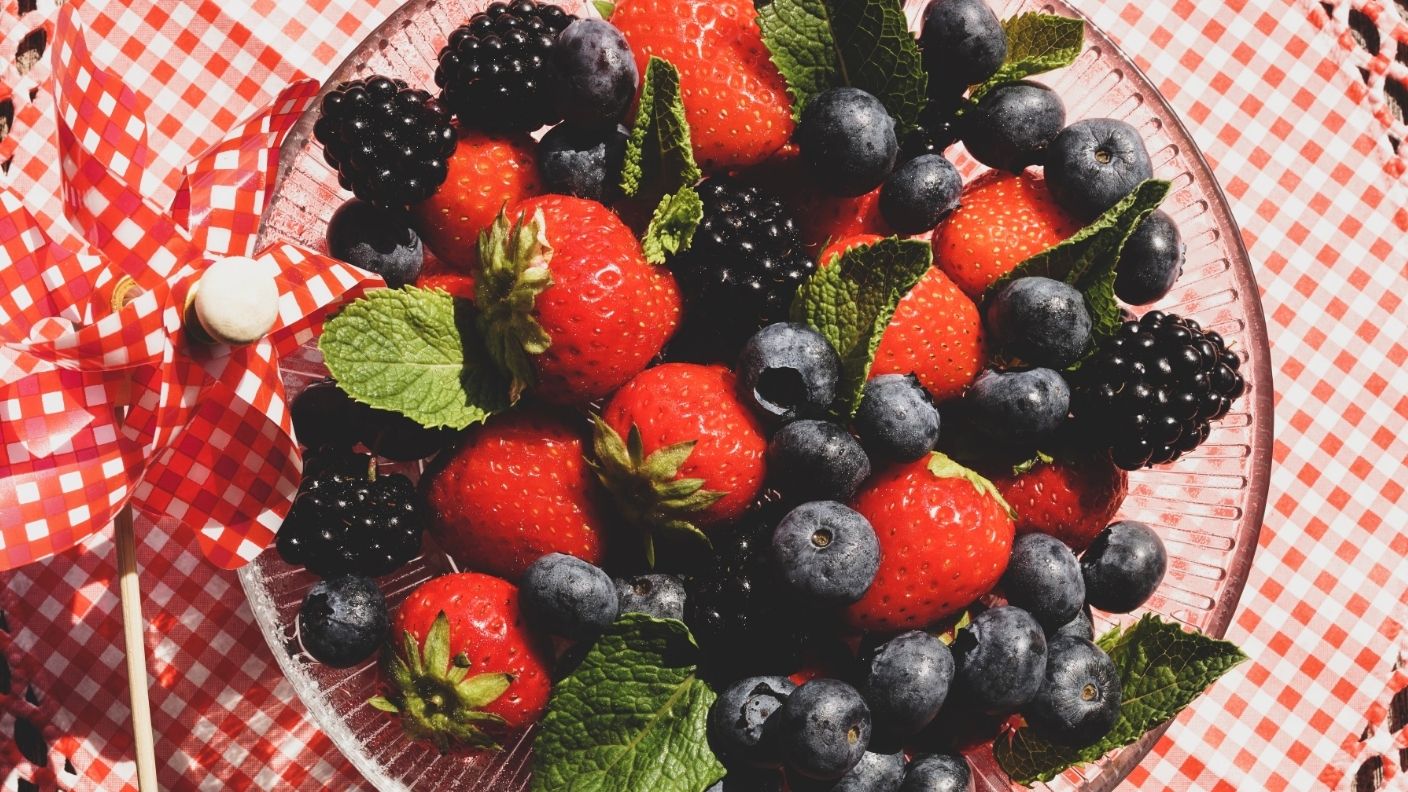
Blueberries, strawberries, raspberries, and blackberries are packed with antioxidants called anthocyanins, which give them their deep colors. These compounds help protect cells from the kind of damage linked to aging.
Berries have been studied closely for brain health. In a large long-term study of women, those who ate the most blueberries and strawberries appeared to delay cognitive aging by up to two and a half years compared with those who ate the least.
They’re also rich in fiber and vitamin C, which supports collagen production for healthier-looking skin. Fresh or frozen both count, making them easy to add to yogurt, oatmeal, or smoothies year-round.
Leafy Greens
Spinach, kale, Swiss chard, collard greens, and arugula are some of the most nutrient-dense foods available. They provide vitamin K, folate, lutein, and nitrates, all linked to brain and heart health.
Research from Rush University found that older adults who ate about one serving of leafy greens per day had memory and thinking skills comparable to people roughly 11 years younger. That’s a remarkable payoff for a simple daily habit.
Greens are easy to sneak into meals. Toss a handful into eggs, soups, pasta sauces, or smoothies, or pair them with olive oil to help your body absorb their fat-soluble nutrients.
Beans and Lentils
Beans and lentils are a cornerstone of the diets eaten in the world’s longest-lived communities. They deliver plant-based protein, fiber, potassium, and magnesium in one inexpensive package.
A study of older adults across several countries found that legume intake was one of the strongest dietary predictors of survival, with higher consumption linked to a lower risk of death. Their fiber also feeds beneficial gut bacteria and supports steady blood sugar.
Canned beans make the habit easy, just rinse them before using. Add chickpeas to salads, lentils to soups, or black beans to tacos and grain bowls.
Nuts
A small handful of nuts each day is a habit many healthy agers share. Almonds, walnuts, pistachios, and other nuts provide healthy fats, protein, vitamin E, and minerals.
In large studies tracking tens of thousands of adults, people who ate nuts daily had about a 20 percent lower risk of dying during the study period than those who didn’t eat them. Walnuts in particular contain plant-based omega-3 fats tied to brain health.
Nuts are calorie-dense, so a small handful, about an ounce, is plenty. Enjoy them as a snack, sprinkle them over salads, or stir them into oatmeal and yogurt.
Fatty Fish
Salmon, sardines, mackerel, trout, and anchovies are rich in omega-3 fatty acids called EPA and DHA. These fats support heart health, help manage inflammation, and are important building blocks for the brain.
Higher omega-3 intake has been linked with a lower risk of heart disease and death in many studies. A recent clinical trial in older adults even found that daily omega-3 supplements modestly slowed markers of biological aging over a few years.
Most dietitians recommend eating fatty fish at least twice a week. Canned salmon and sardines are affordable, shelf-stable options that make it easy to fit fish into lunches and quick dinners.
The Habits That Tie It Together
No single food can reverse aging, and these foods work best as part of an overall eating pattern. Diets built around plants, whole grains, healthy fats, and lean proteins consistently come out on top in longevity research.
Pairing these foods with regular movement, good sleep, strong social connections, and not smoking makes the biggest difference. Small, consistent choices made almost every day are what add up over the years.
RELATED ARTICLE: The Breakfast Habit Doctors Say Ages Better Than Most Trendy Diets
