


Why Mediterranean Centenarians Pour This Specific Oil on Almost Every Meal


On the Greek island of Ikaria and in the mountain villages of Sardinia, reaching 100 isn’t nearly as rare as it is elsewhere. Researchers have spent decades studying these communities, trying to figure out what helps so many people stay healthy for so long.
Their daily routines include plenty of walking, strong family ties, and simple home cooking. But one kitchen habit stands out at almost every meal, from breakfast greens to evening bean stews, and science has started to explain why it may matter so much.
The Oil: Extra-Virgin Olive Oil
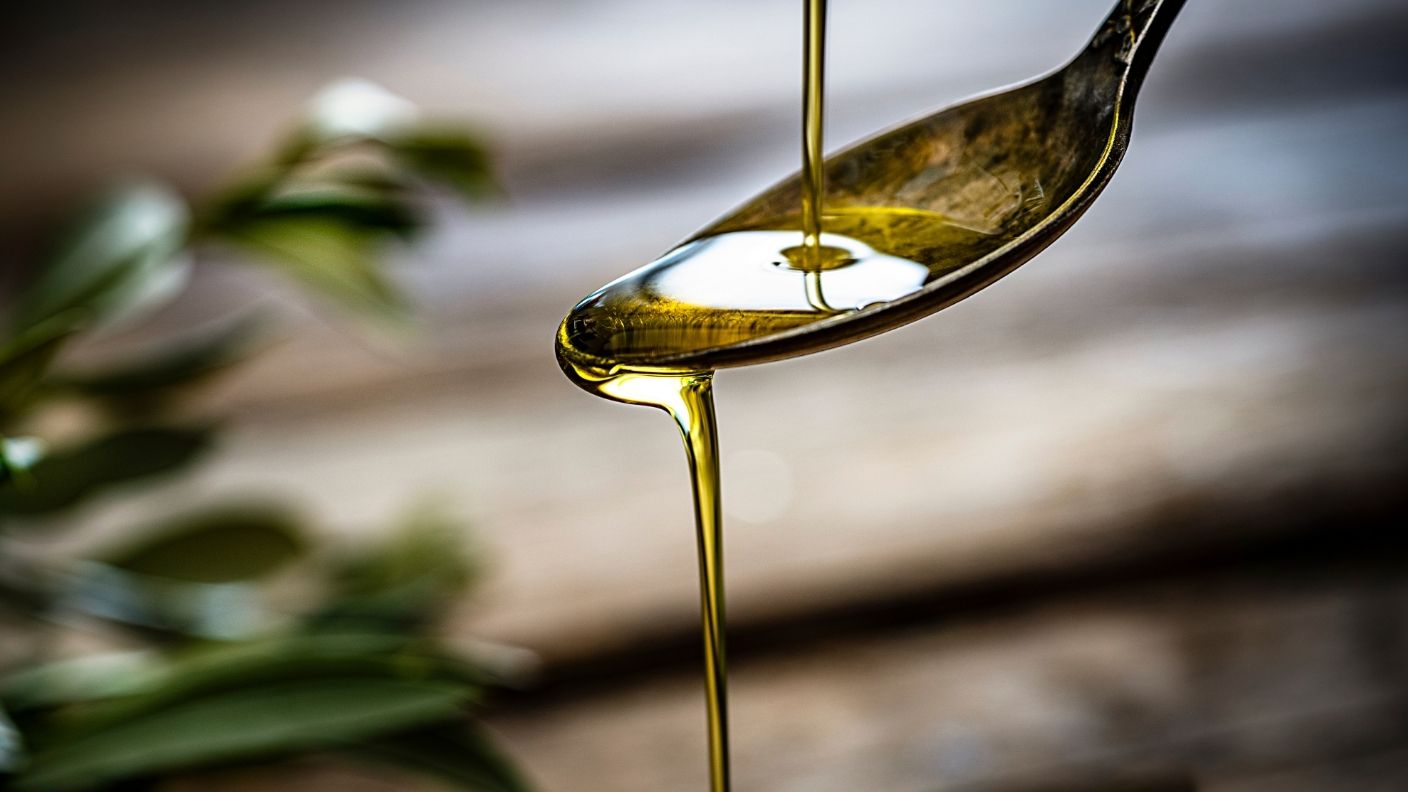
The oil in question is extra-virgin olive oil. In traditional Mediterranean kitchens, it isn’t just a cooking fat but a finishing touch drizzled over vegetables, beans, bread, fish, and salads.
Extra-virgin means the oil is pressed from olives without heat or chemical refining. That minimal processing helps preserve the natural compounds that give it its flavor and many of its health benefits.
It’s Central to Long-Lived Communities
In regions like Ikaria and Sardinia, olive oil is the main source of fat in the diet. It largely replaces butter, lard, and processed oils in everyday cooking.
That steady, generous use is part of a wider eating pattern built around vegetables, beans, whole grains, and fish. Olive oil acts as the thread tying those foods together at nearly every meal.
Strong Research Supports Its Heart Benefits
One of the most famous nutrition studies, PREDIMED, followed thousands of adults in Spain at high risk of heart disease. Those assigned to a Mediterranean diet supplemented with extra-virgin olive oil had about 30 percent fewer major cardiovascular events than those told to follow a lower-fat diet.
The olive oil group used several tablespoons per day. The findings helped move olive oil from a regional tradition to one of the most studied foods in heart health research.
Regular Users Tend to Live Longer
A large Harvard study tracking tens of thousands of American adults for decades found that people who consumed more than half a tablespoon of olive oil per day had a lower risk of dying from any cause compared to those who rarely used it. They also had lower rates of death from heart disease, cancer, and neurodegenerative disease.
The study was observational, so it shows a link rather than proof of cause. Still, the benefits appeared strongest when olive oil replaced fats like butter, margarine, and mayonnaise.
Polyphenols Give It an Edge
Extra-virgin olive oil is rich in polyphenols, plant compounds with antioxidant and anti-inflammatory properties. One of them, hydroxytyrosol, has been studied for its role in protecting blood fats from oxidative damage.
Refined or “light” olive oils lose much of these compounds during processing. That’s one reason extra-virgin varieties are usually recommended over more heavily processed versions.
That Peppery Sting Has a Purpose
High-quality extra-virgin olive oil often leaves a peppery tickle at the back of the throat. That sensation comes from a compound called oleocanthal.
Oleocanthal has drawn scientific interest because it acts on inflammation pathways in a way similar to common anti-inflammatory medications. The amounts in food are small, but regular use over a lifetime may add up.
It Helps Vegetables Go Further
Many nutrients in vegetables, including vitamins A, E, and K and carotenoids like lycopene, are fat-soluble. A drizzle of olive oil helps the body absorb more of them from salads, tomatoes, and cooked greens.
It also makes vegetables simply taste better. In Mediterranean homes, that flavor boost encourages people to eat large portions of greens and legumes, which is a big part of the diet’s overall benefit.
It Replaces Less Healthy Fats
About three-quarters of olive oil’s fat is monounsaturated, mostly a type called oleic acid. Swapping saturated fats for monounsaturated fats is linked with healthier cholesterol levels.
Using olive oil instead of butter on bread, in place of creamy dressings on salads, or instead of shortening in cooking can quietly improve the overall quality of a diet.
Cooking With It Is Perfectly Fine
A common myth claims extra-virgin olive oil shouldn’t be heated. In reality, its natural antioxidants help it hold up well during everyday cooking like sautéing and roasting.
Mediterranean cooks have used it for frying vegetables, simmering stews, and baking for generations. Saving the most flavorful bottles for drizzling over finished dishes gets the most out of their taste.
How to Choose a Good Bottle
Look for “extra-virgin” on the label, along with a harvest or best-by date when possible. Dark glass bottles or tins protect the oil from light, which can break down its beneficial compounds.
Store it in a cool, dark cupboard away from the stove, and use it within a few months of opening. Fresh, high-quality oil should smell grassy or fruity rather than flat or stale.
A Little Goes a Long Way
Olive oil is healthy, but it’s still calorie-dense, at about 120 calories per tablespoon. In Mediterranean diets, it’s paired with plenty of vegetables, beans, and whole grains rather than added on top of a heavy, processed diet.
Daily walking, social connection, and modest portions are also part of the picture in long-lived communities. Olive oil works best as one part of that whole lifestyle, not as a single magic ingredient.
RELATED ARTICLE: 7 “Blue Zone” Foods to Start Eating Now
