


What Happens When You Stop Buying Ultra-Processed Snacks for 30 Days

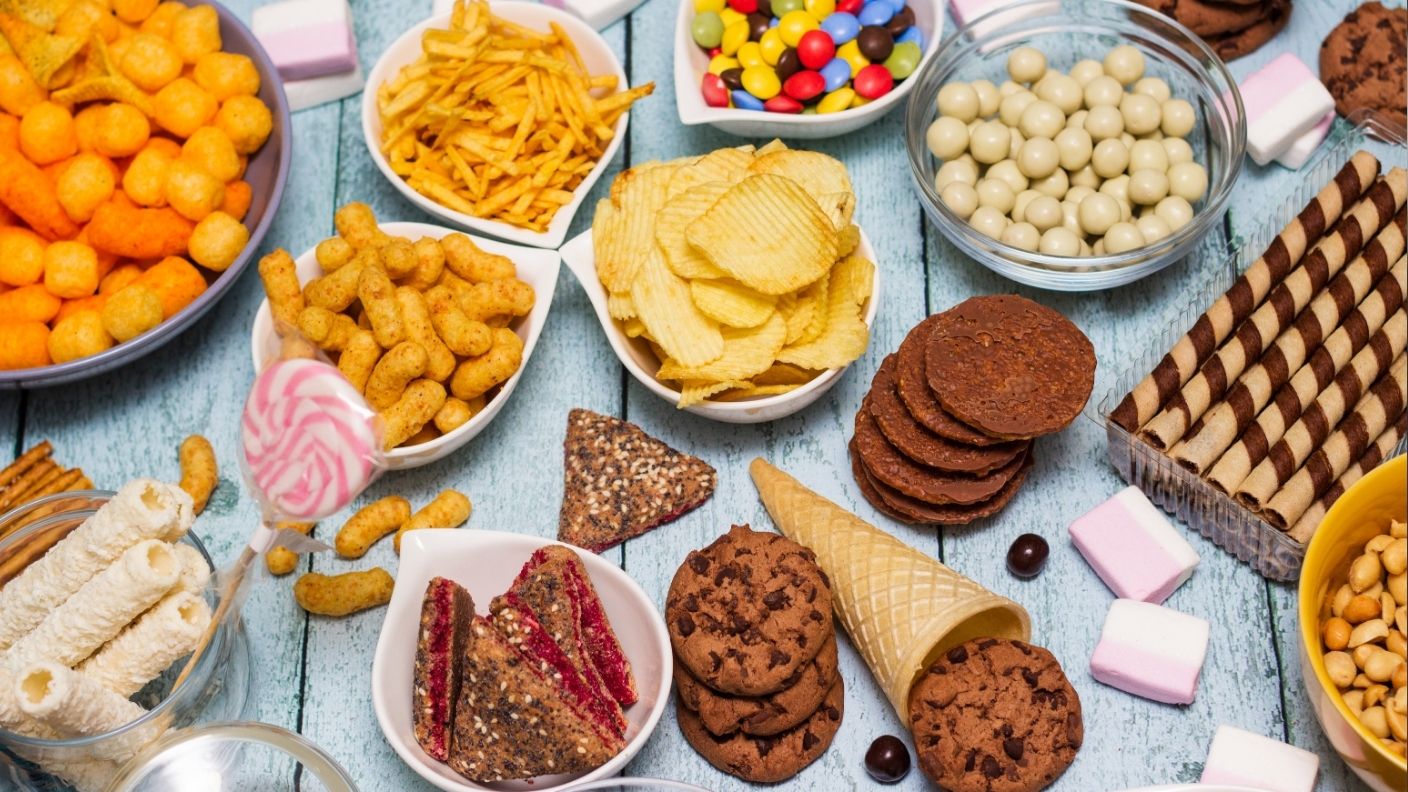

Chips at the desk, a granola bar in the car, cookies after dinner. For a lot of people, packaged snacks have quietly become the glue holding the day together between meals.
Taking them off the grocery list for a full month sounds simple on paper. In practice, the experience tends to unfold in stages, and some of the biggest changes have less to do with willpower than most people expect.
What Counts as an Ultra-Processed Snack
Ultra-processed snacks are typically made from refined ingredients like white flour, sugar, and oils, along with additives such as flavorings, emulsifiers, and preservatives. Think chips, cookies, snack cakes, candy, many granola bars, and flavored crackers.
That doesn’t mean every packaged food is off-limits. Plain yogurt, nuts, canned beans, frozen fruit, and natural nut butter are processed in a basic way but don’t fall into the ultra-processed category.
The First Week Brings Cravings
The early days are usually the hardest. Many people notice strong urges for something salty, sweet, or crunchy, especially at the times they’d normally reach for a packaged snack.
Those cravings are often more about habit than true hunger. Most people find they ease up noticeably after the first week or two as the routine starts to change.
Your Snack Triggers Become Obvious
Without a pantry full of easy options, it becomes clear when snacking really happens. Common triggers include the mid-afternoon slump, scrolling on the couch at night, or feeling stressed at work.
Spotting those patterns is useful. Once you know when the urge hits, you can plan a better option ahead of time or find a non-food way to take a break.
You May Eat Less Without Trying
Research suggests ultra-processed foods make it easier to overeat. In a controlled study at the National Institutes of Health, people ate roughly 500 more calories per day on an ultra-processed diet than on a minimally processed one and gained weight as a result.
They also tended to eat faster when the food was ultra-processed. Swapping packaged snacks for whole foods often leads to eating more slowly and feeling satisfied sooner, without counting a single calorie.
Your Taste Buds Start to Shift
Many ultra-processed snacks are engineered to hit an intense mix of salt, sugar, and fat. After a few weeks without them, fruit can start tasting sweeter and plain nuts more flavorful.
Some people find that a favorite chip or cookie tastes overly salty or sweet when they try it again. That shift can make healthier snacks feel genuinely satisfying rather than like a compromise.
Less Salt Can Mean Less Bloating
Packaged snacks are a major source of sodium for many people. Cutting them back can reduce water retention, so some people notice they feel less puffy or bloated.
Lower sodium intake also supports healthier blood pressure over time. The effect varies from person to person, but it’s one of the quieter benefits of the switch.
Energy Feels Steadier
Snacks made mostly from refined carbs and sugar can cause quick spikes and drops in blood sugar. That pattern often leads to an energy crash and another round of cravings soon after.
Snacks built around protein, fiber, and healthy fat tend to digest more slowly. Many people report fewer afternoon slumps and less of that urgent, shaky hunger between meals.
Snacks Become More Filling
Swapping chips for an apple with peanut butter or crackers for vegetables and hummus changes how long a snack holds you over. Whole-food snacks usually bring more fiber and protein, which help you feel full longer.
Other easy options include Greek yogurt with berries, hard-boiled eggs, a handful of nuts, cheese with fruit, or air-popped popcorn. Keeping a few of these ready to grab makes the change much easier to stick with.
Your Shopping Habits Change
Without the snack aisle as a regular stop, more time gets spent in the produce, dairy, and bulk sections. Many people find themselves reading ingredient lists more carefully on the items they do buy.
The grocery bill may shift too. Some whole-food snacks, like bananas, carrots, and popcorn kernels, are cheaper than packaged options, while others, like nuts, cost more, so it often balances out.
Perfection Isn’t the Goal
A month without ultra-processed snacks is a helpful reset, not a lifelong rule. The aim is to become more aware of habits and build a few reliable alternatives.
Enjoying a favorite treat now and then is perfectly fine. The real win is shifting your everyday snacks toward foods that leave you feeling better long after you’ve finished eating them.
RELATED ARTICLE: Always Hungry Between Meals? These 8 Snacks May Keep You Fuller
