


11 Grocery Store Mistakes That Quietly Waste More Food Than You Realize

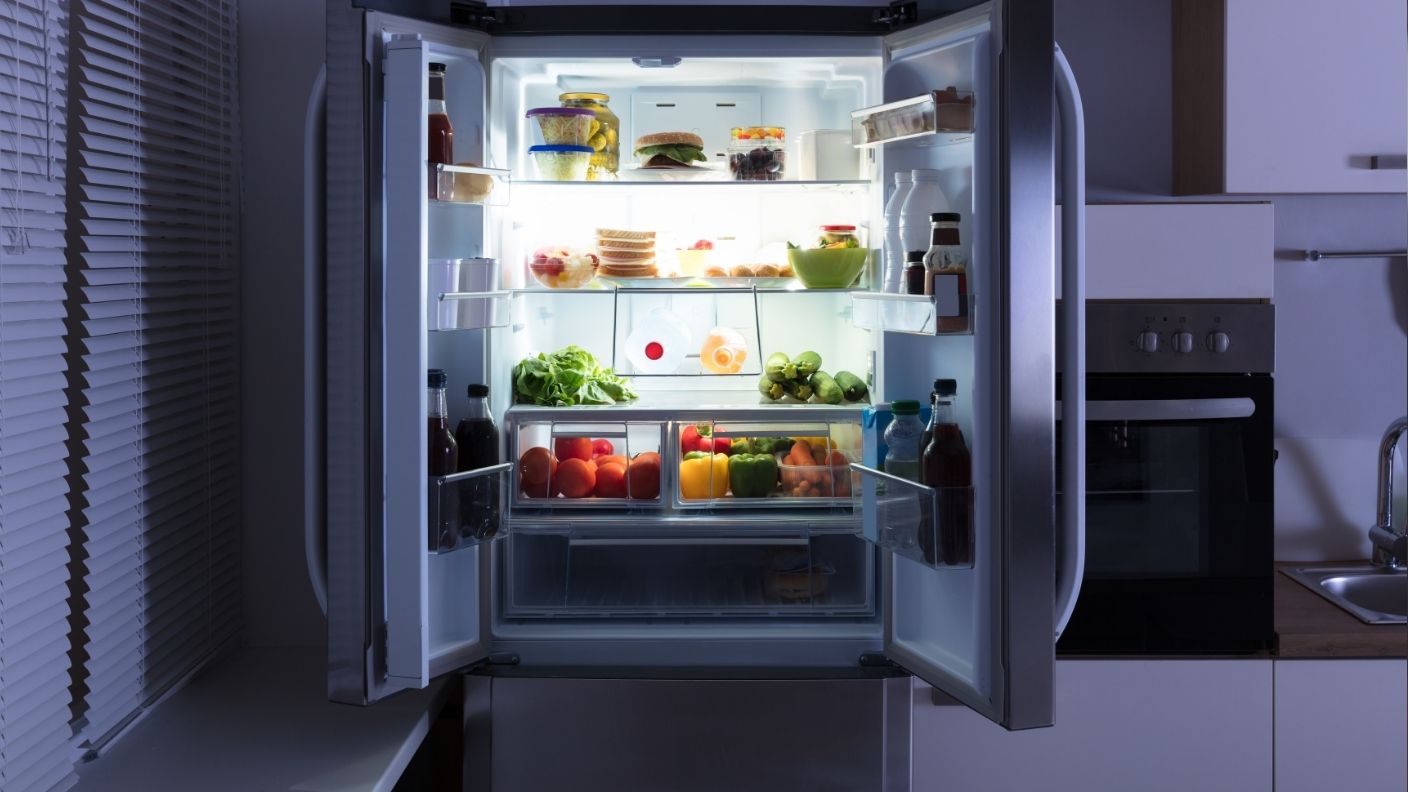

A week after a big grocery run, the fridge often tells a familiar story. Limp herbs, a bag of spinach turning slimy, and a carton of berries growing fuzz in the back corner.
Most of that waste doesn’t actually start in the kitchen. It begins in the store aisles, with a handful of small habits that seem harmless in the moment but add up to a surprising amount of food heading straight for the trash.
Shopping Without Checking the Fridge First
Heading out without looking at what’s already at home is one of the easiest ways to double up on food. It’s how kitchens end up with three half-used jars of salsa or a second bag of carrots nobody needed.
Taking a few minutes to scan the fridge, freezer, and pantry before writing a list helps avoid those duplicates. It also reminds you which ingredients need to be used soon.
Skipping the Meal Plan
Wandering the aisles without a rough plan for the week usually leads to buying ingredients that never come together into meals. Good intentions, like that bunch of kale, often end up forgotten.
You don’t need a detailed menu. Simply jotting down four or five dinners and the ingredients they require makes it far easier to buy only what you’ll actually cook.
Grocery Shopping While Hungry
An empty stomach has a way of making everything look appealing. Hungry shoppers are more likely to grab extra snacks, oversized packages, and impulse items that don’t fit any plan.
Eating a small snack before heading out keeps cravings in check. It’s a simple step that protects both your budget and your fridge space.
Falling for Bulk Deals on Perishables
Buying a giant tub of spinach or a jumbo pack of avocados can look like a bargain. But if half of it spoils before you can use it, the savings disappear.
Bulk buying works best for shelf-stable items like rice, oats, canned beans, and frozen foods. For fresh produce and dairy, smaller amounts you’ll realistically finish are usually the better deal.
Grabbing “Buy One, Get One” Without a Plan
Promotions that offer a second item free are tempting, especially for things like bread, yogurt, or berries. The problem is that two loaves or two containers often expire before anyone gets to the second one.
Before tossing extras in the cart, think about whether you’ll use them in time or can freeze them. If not, the “free” item ends up costing you in waste.
Misreading Date Labels
Many people throw away food as soon as the date on the package arrives. In the U.S., terms like “best by” and “sell by” usually refer to quality rather than safety, with infant formula being the main exception.
That means plenty of foods are still perfectly good after the printed date, especially if they’ve been stored properly. Checking smell, texture, and appearance helps you avoid tossing food that’s still fine to eat.
Buying All Fresh Produce at Once
Loading up on a week’s worth of delicate produce in one trip often means some of it spoils before you reach it. Berries, leafy greens, and soft herbs tend to fade fastest.
A smart mix helps. Combine a few fresh items for the first part of the week with frozen fruits and vegetables, plus sturdier produce like carrots, cabbage, and apples that last longer.
Choosing Bags When You Need Just a Few
Prepackaged bags of onions, apples, or peppers are convenient, but they often hold more than you’ll use. The extras sit in the drawer until they sprout or soften.
Buying loose produce lets you pick exactly the amount you need. It’s especially helpful for small households or for ingredients you only use occasionally.
Buying a Specialty Ingredient for One Recipe
A recipe might call for two tablespoons of buttermilk, a handful of fresh cilantro, or a splash of heavy cream. The rest of the container often ends up forgotten.
Before buying, think about a second or third way to use the leftovers during the week. Freezing extras like herbs in olive oil or portions of cream can also keep them from going to waste.
Leaving Cold Foods for the Wrong Moment
Picking up frozen and refrigerated items first and then spending a long time shopping lets them start to warm up. Long drives or errands afterward make the problem worse.
Shop for chilled and frozen foods last, and head home soon afterward. An insulated bag in the car is an easy way to keep them colder for longer.
Putting New Groceries in Front of Old Ones
Unloading groceries by shoving new items toward the front of the fridge pushes older food out of sight. Out of sight usually means out of mind, until it spoils.
Moving older items forward and placing newer ones behind them keeps the oldest food visible and first in line. Grocery stores rotate stock this way, and it works just as well at home.
RELATED ARTICLE: Want to Save Money on Groceries? This Simple Kitchen Habit May Help Cut Your Bill
