


The One High-Protein Snack You Should Eat 30 Minutes Before Bed for Better Muscle Recovery


Most people think of muscle recovery as something that happens at the gym or in the hour right after a workout. Shakes get chugged in the locker room, and post-workout meals get carefully timed.
But some of the most important repair work happens hours later, while you’re fast asleep. That’s why a growing number of lifters and sports nutrition researchers are paying close attention to one simple snack eaten right before bed.
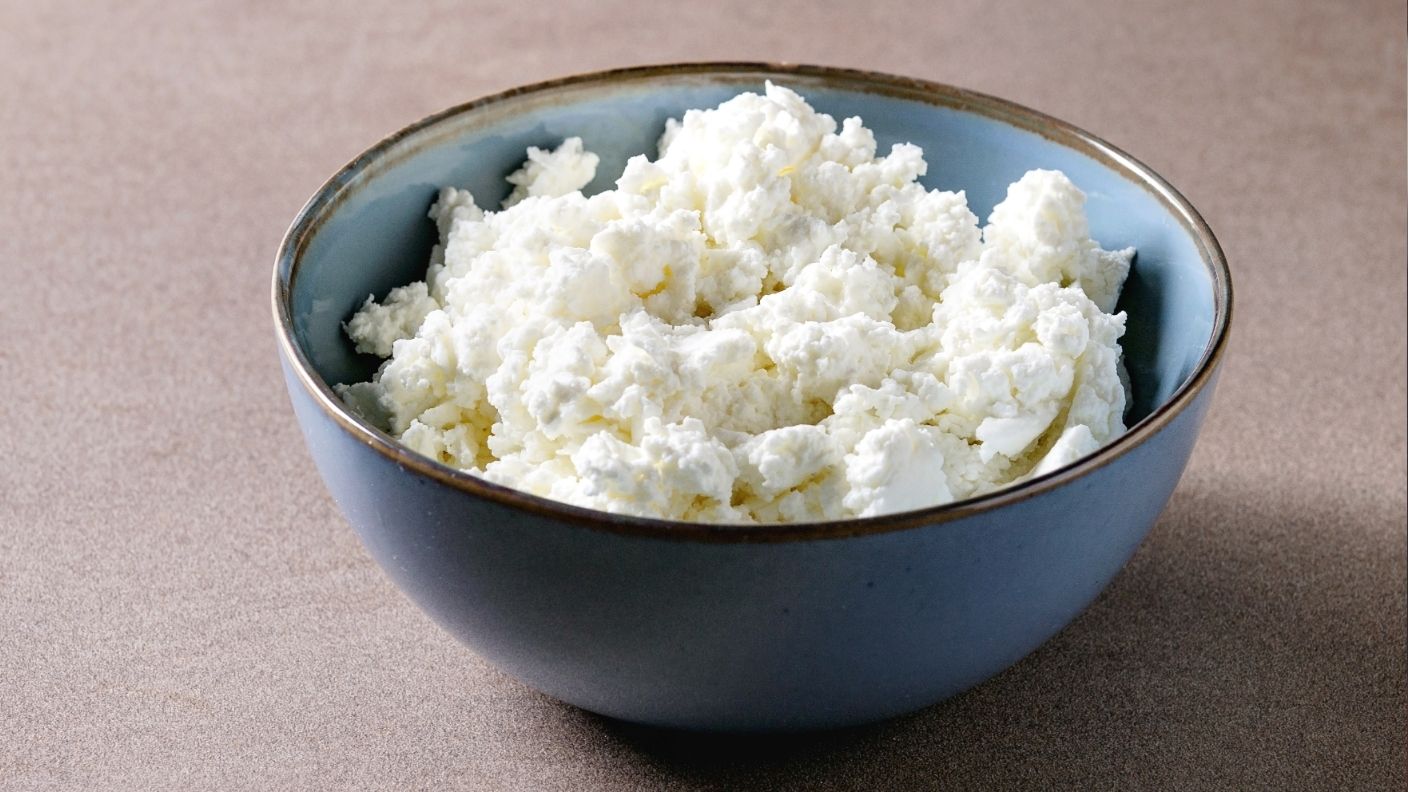
The Snack: Cottage Cheese
The bedtime favorite is a bowl of cottage cheese. It’s inexpensive, needs no cooking, and packs a serious amount of protein into a small serving.
A one-cup portion typically delivers around 25 grams of protein, depending on the brand and fat level. That makes it one of the easiest ways to give your muscles a steady supply of building material through the night.
Your Muscles Keep Working While You Sleep
Sleep is when the body does much of its repair work, including rebuilding muscle fibers stressed during training. Growth hormone release also peaks during deep sleep, supporting tissue repair and recovery.
The catch is that sleep is also a long stretch without food. Going seven or eight hours without protein means muscles may have fewer amino acids available just when they’re trying to rebuild.
Casein Is the Slow-Release Protein
Cottage cheese is especially rich in casein, the main protein in milk. Casein forms a gel-like texture in the stomach, so it digests slowly and releases amino acids into the bloodstream gradually over several hours.
That slow trickle is exactly what makes it useful before bed. Instead of a quick spike that fades fast, casein provides a steadier supply that can last through much of the night.
What the Research Shows
Studies from sports nutrition researchers have found that eating protein before sleep increases muscle protein synthesis overnight. In one well-known study, young men who had about 40 grams of casein before bed after an evening workout showed greater muscle building during the night than those who didn’t.
Longer studies have found that people who combined regular strength training with a pre-sleep protein dose saw greater gains in muscle size and strength over several weeks. The benefits showed up when the protein was paired with consistent training.
How Much to Eat and When
Aiming for roughly 25 to 40 grams of protein before bed is a good target for most active adults. For cottage cheese, that usually means about one to one and a half cups.
Eating it around 30 to 60 minutes before sleep gives the body time to start digesting without leaving you uncomfortably full when you lie down. A smaller portion works fine for people with lighter appetites or lower protein needs.
A Real Food Option Works Too
Much of the early research used casein protein shakes. More recent studies have tested whole foods like cottage cheese and found them to be an effective option as well.
Some people worry that eating before bed will lead to fat gain or disrupt sleep. In studies of healthy, active people, a modest protein-rich snack at night didn’t appear to cause these problems, though total daily calories still matter for weight.
Make It Taste Better
Plain cottage cheese can feel bland or lumpy to some people. Blending it until smooth turns it into something closer to a creamy pudding.
For a sweet version, add berries, a sprinkle of cinnamon, or a spoonful of nut butter. For something savory, try cucumber, cherry tomatoes, cracked black pepper, and a drizzle of olive oil.
Watch the Sodium
Cottage cheese can be surprisingly salty, which is worth keeping in mind for anyone monitoring blood pressure. Some brands contain a fair amount of sodium per serving.
Low-sodium or no-salt-added versions are available in many stores. Comparing labels takes only a few seconds and makes it easier to keep this habit heart-friendly.
Other Bedtime Options
If cottage cheese isn’t your thing, there are other choices. Greek yogurt is also rich in casein and makes a creamy, protein-packed bedtime snack.
A casein protein shake or a glass of milk can also do the job. The key is choosing a slow-digesting protein source that provides a steady supply of amino acids overnight.
It Works Best With Training
A bedtime snack can’t build muscle on its own. The real results come from pairing it with regular strength training and enough total protein spread across the day.
Think of cottage cheese before bed as a helpful finishing touch rather than a magic fix. Combined with good sleep and consistent workouts, it’s a simple habit that can support stronger, faster recovery.
RELATED ARTICLE: The Hidden Muscle-Building Power of Cottage Cheese (And 5 Non-Boring Ways to Eat It)
