


Why Americans Refrigerate This Food While Europeans Usually Don’t

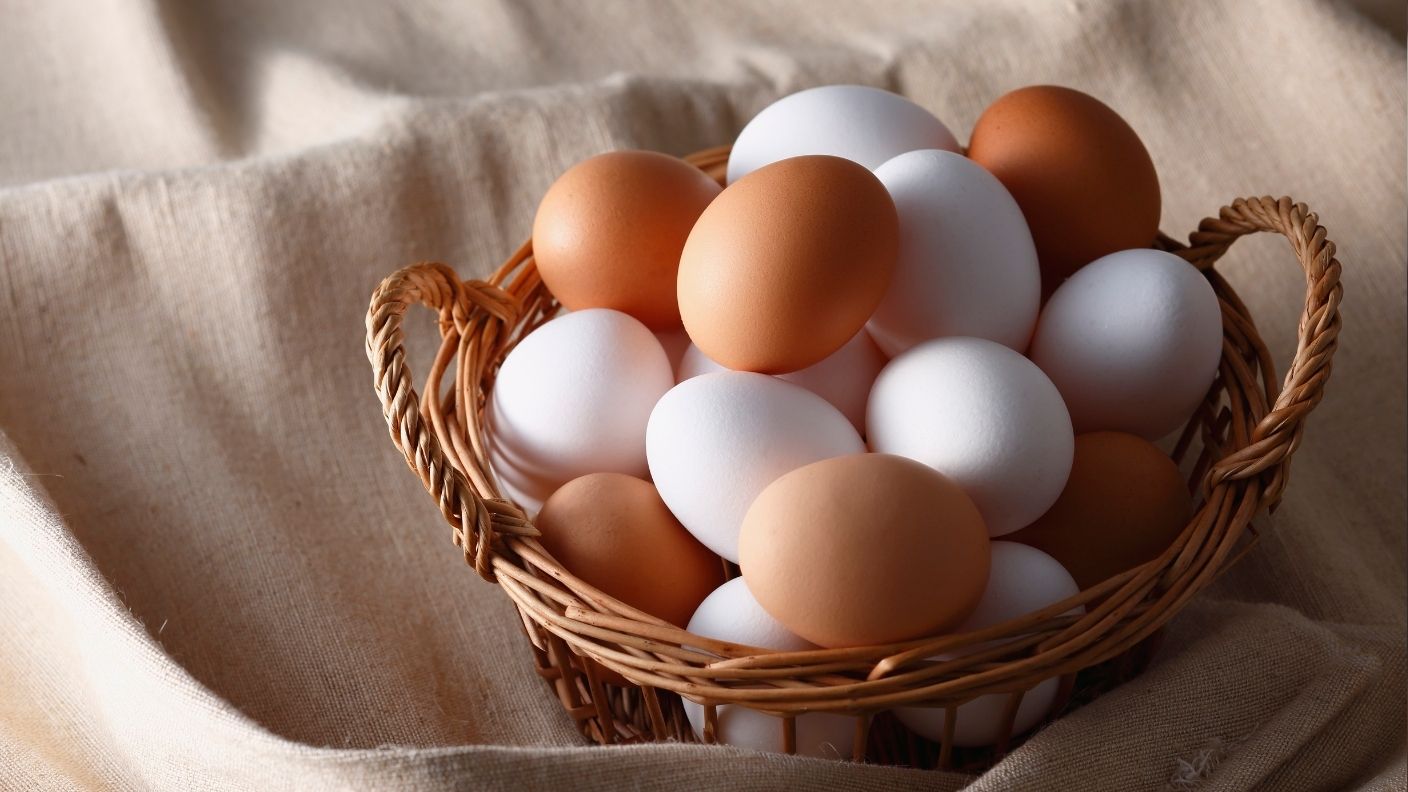

American travelers are often startled the first time they walk into a European supermarket. A breakfast staple they’ve only ever seen in a chilled case is sitting on an ordinary shelf, right next to the flour and canned tomatoes.
It looks like a food safety mistake, but it’s actually a deliberate choice on both sides of the Atlantic. The difference comes down to two very different strategies for tackling the same bacteria.
The Food in Question: Eggs
In the United States, eggs live in the refrigerator from the moment they leave the farm until they’re cracked into a pan. Leaving a carton out on the counter would make most American cooks nervous.
Across much of Europe, though, eggs are routinely sold at room temperature and often kept that way at home. Both approaches are designed with safety in mind, which is what makes the contrast so interesting.
Eggs Come With a Natural Shield
When a hen lays an egg, the shell is coated in a thin protective layer called the cuticle, sometimes known as the bloom. It seals the tiny pores in the shell, helping keep moisture in and bacteria out.
That natural barrier is the key to the whole debate. Whether it stays on the egg or gets washed away largely determines whether refrigeration becomes necessary.
American Eggs Get a Bath
In the U.S., commercial eggs must be washed and sanitized before they’re sold. The goal is to remove dirt and droppings from the shell that could carry salmonella.
The trade-off is that washing also strips away the cuticle. Without that protective coating, the shell becomes easier for bacteria to penetrate, so American eggs are kept cold throughout the supply chain to slow any growth.
Europe Takes the Opposite Approach
European Union rules generally prohibit washing eggs sold to shoppers as top-grade eggs. Leaving the cuticle intact means the shell keeps its built-in protection.
Instead of relying on washing, the system focuses on clean farming practices and careful handling. Eggs are stored at a fairly steady temperature, without the cold chain American eggs depend on.
Vaccinating Hens Changes the Equation
Many European countries also put a strong focus on preventing salmonella in hens to begin with. The UK, for example, vaccinates hens under its widely used egg safety scheme, and vaccination became common across much of Europe.
Salmonella can sometimes infect an egg from the inside before the shell even forms. Reducing it in flocks tackles the problem at its source, rather than relying mainly on cold storage afterward.
Cold Eggs Can’t Go Back to the Counter
Once an egg has been refrigerated, it should stay that way. Taking a cold egg into a warm room can cause condensation to form on the shell.
That moisture can help bacteria move through the shell’s pores, especially if the cuticle has already been washed off. That’s why U.S. food safety guidance warns against leaving refrigerated eggs out for more than a couple of hours.
Neither System Is Wrong
Both methods aim to keep eggs safe, just by tackling risk at different points. The American system cleans the outside of the shell and depends on refrigeration, while the European system protects the shell and focuses on healthy flocks.
Food safety experts generally agree that each approach works well within its own rules. The real risk comes from mixing the two, like washing unwashed eggs at home or letting chilled eggs warm up and sweat.
What It Means When You Travel
Buying room-temperature eggs at a European market is perfectly normal and safe. Many Europeans keep them in the fridge at home anyway, since cooler storage can help eggs stay fresh longer.
Back in the U.S., store-bought eggs belong in the refrigerator. Farm-fresh eggs that haven’t been washed can be stored either way, but once they’ve gone in the fridge, they should stay there.
How to Store Eggs at Home
Keeping eggs in their original carton helps protect them from absorbing odors and losing moisture. Storing them on a shelf inside the fridge, rather than in the door, keeps them at a more stable temperature.
There’s no need to wash eggs before storing them, which can actually push bacteria into the shell. Just wash your hands after handling raw eggs and cook them until the whites and yolks are firm when food safety is a concern.
RELATED ARTICLE: How to Choose the Best Eggs and Understand What the Labels Really Mean
