

Why Sourdough Never Went Away After The Pandemic


Plenty of lockdown hobbies faded as soon as life got busy again. Banana bread baking slowed down, jigsaw puzzles went back in the closet, and whipped coffee mostly disappeared from social feeds.
Sourdough took a very different path. Years later, it’s still rising on kitchen counters, filling bakery shelves, and showing up in places most people never expected, and the reasons go well beyond nostalgia for those strange months at home.
A Starter Becomes Part of the Family
Unlike most hobbies, sourdough comes with something alive that needs regular care. A starter is a mix of flour and water full of wild yeast and bacteria, and it has to be fed to stay healthy.
Many bakers name their starters, share them with friends, and keep them going for years. That ongoing relationship makes sourdough feel less like a passing project and more like a household routine that’s hard to abandon.
The Flavor Is Hard to Give Up
Once people get used to the tangy, complex taste of real sourdough, ordinary sandwich bread can start to taste flat. The long fermentation creates lactic and acetic acids that give the loaf its signature sour note.
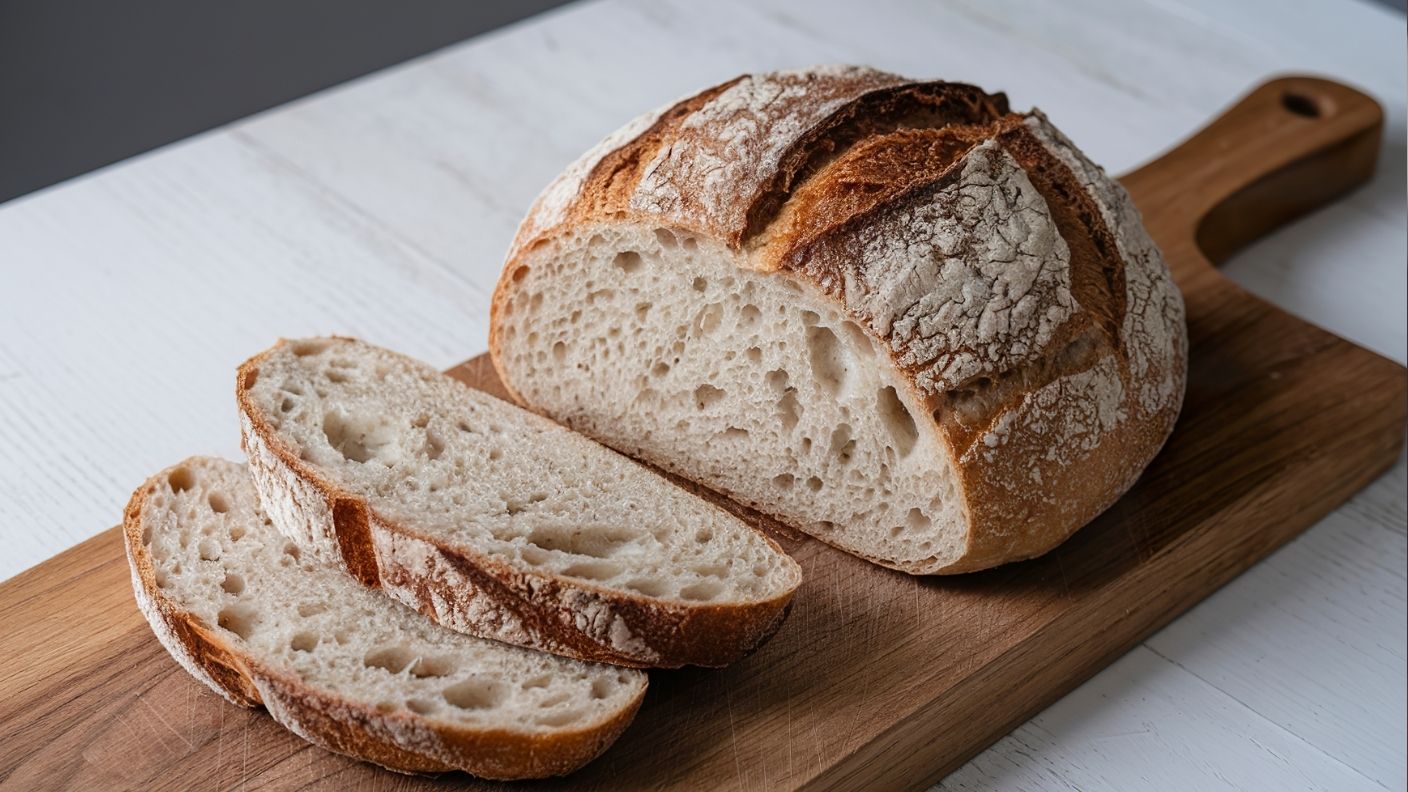
The texture keeps people hooked too. A crackly, deeply browned crust paired with a chewy, open crumb is tough to find in a plastic-wrapped supermarket loaf.
Many People Find It Easier to Digest
Some people say sourdough sits better in their stomach than regular bread. The slow fermentation breaks down part of the fructans in wheat, which are carbohydrates known to cause bloating in sensitive people.
Research also suggests sourdough may cause a slightly gentler blood sugar rise than standard white bread. It still contains gluten, though, so it isn’t safe for anyone with celiac disease.
The Ingredient List Is Refreshingly Short
Traditional sourdough needs only flour, water, and salt. In an era when more shoppers are wary of long ingredient lists and ultra-processed foods, that simplicity is a big selling point.
It’s also part of why homemade sourdough feels so satisfying. Bakers know exactly what went into every loaf, without preservatives, added sugars, or dough conditioners.
Bakeries and Grocery Stores Went All In
Demand didn’t stay limited to home kitchens. Bakeries expanded their sourdough lineups, and supermarkets started stocking far more loaves labeled as sourdough.
Not every one is the real thing, though. Some store-bought versions use commercial yeast and added vinegar to mimic the tang, so checking for a short ingredient list without baker’s yeast helps shoppers find a true sourdough.
Social Media Kept the Momentum Going
Online communities never really stopped sharing sourdough. Photos of airy crumb, intricate scoring patterns, and dramatic oven rises still draw huge audiences.
Those posts keep pulling in new bakers who want to try it themselves. Troubleshooting tips, starter guides, and baking schedules are all a quick search away, making the hobby far less intimidating than it once seemed.
Discard Recipes Opened a New World
Feeding a starter means regularly removing some of it, and that leftover “discard” turned into its own trend. Bakers started using it in pancakes, waffles, crackers, pizza dough, and even brownies.
That creativity helped sourdough stick around in kitchens that don’t bake bread every day. It also tapped into the growing interest in reducing food waste at home.
It Became a Calming Ritual
For many people, sourdough offers a slow, hands-on break from screens and busy schedules. Stretching dough, shaping loaves, and waiting for the oven spring can feel almost meditative.
That sense of calm is part of what kept people baking long after lockdowns ended. In a fast-moving world, a recipe that simply refuses to be rushed has turned out to be surprisingly appealing.
RELATED ARTICLE: Why Your Homemade Bread Goes Stale So Quickly
